


The Belgian Revolution was a crucial turning point in European history, leading to the secession of the southern provinces of the United Kingdom of the Netherlands and the creation of Belgium as an independent state. Sparked by deep-rooted religious, linguistic, economic, and political differences, this revolution not only reshaped the map of Europe but also set a precedent for nationalist movements during the 19th century.
This article explores the causes, key events, international dynamics, and aftermath of the Belgian Revolution, highlighting its lasting significance.
Introduction: The Birth of Belgium from the United Kingdom of the Netherlands
The Belgian Revolution of 1830 was rooted in the complex and often tense union formed after the Congress of Vienna in 1815, where the former Austrian Netherlands (largely corresponding to modern Belgium) was merged with the Dutch Republic to create the United Kingdom of the Netherlands.
This new kingdom was designed as a buffer state against France, but the integration of culturally, linguistically, and religiously diverse regions proved difficult.
The northern provinces, predominantly Protestant and Dutch-speaking, held most political power, while the southern provinces, largely Catholic and French-speaking (Wallonia and parts of Flanders), felt marginalized. As political, economic, and social grievances mounted, dissatisfaction grew until erupting into open revolution.
Causes of the Belgian Revolution
Several intertwined factors fueled the revolution:
- Religious and Cultural Divide: The southern provinces were overwhelmingly Roman Catholic in contrast to the Protestant North. King William I’s attempts to impose policies perceived as undermining Catholic institutions, including education reforms, alienated the southern population.
- Political Underrepresentation: Despite constituting a sizeable portion of the population, the Belgians were underrepresented in the government. The administration was dominated by Dutch officials, and decisions often favored northern interests.
- Economic Discontent: The South was more industrialized and favored protectionist trade policies, contrasting with the North’s agricultural focus and commitment to free trade. The removal of traditional French markets and the influx of cheap British goods disrupted southern industries.
- Language Policies: Attempts to enforce Dutch as the official language in Dutch-speaking provinces met resistance, especially among French-speaking elites and Flemish speakers who spoke regional dialects rather than standard Dutch.
- Military Inequalities: Southern provinces were disproportionately burdened with military conscription, while their officers were primarily Dutch or foreign-born, fostering resentment.
The Spark: Riots in Brussels and the Role of Nationalism
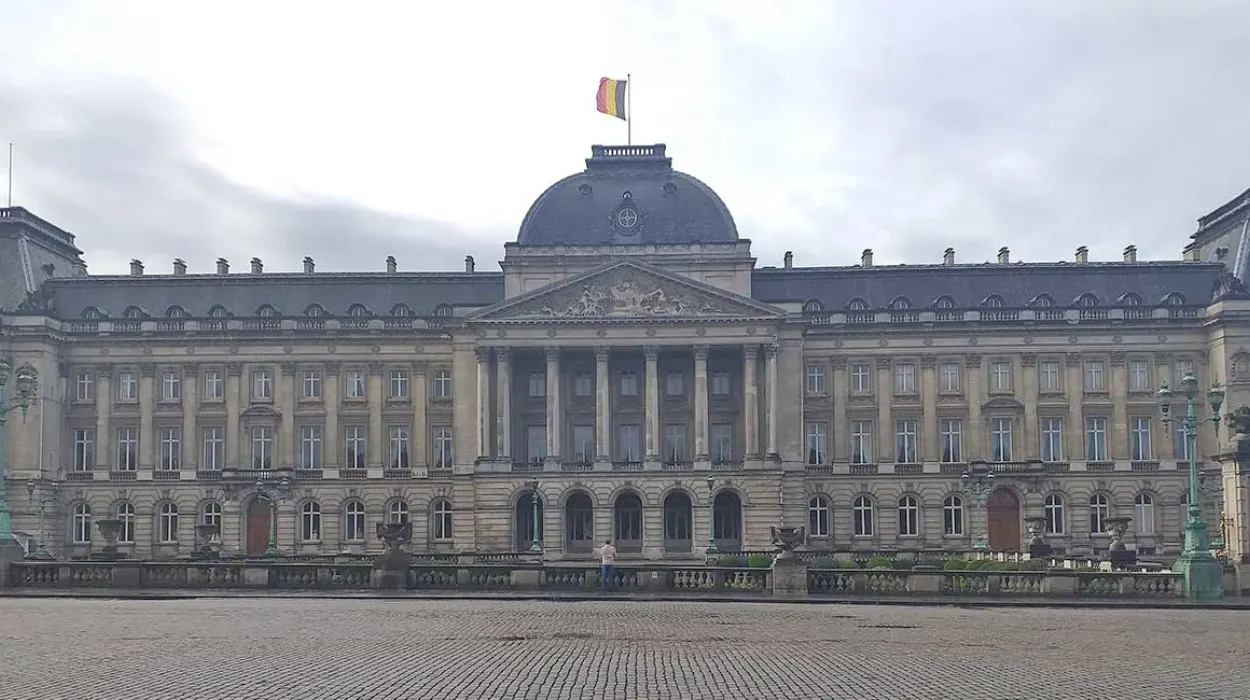
On August 25, 1830, riots erupted in Brussels during a performance of the patriotic opera La Muette de Portici, which celebrates resistance against Spanish rule. The stirring “Sacred love of the fatherland” encouraged theatergoers to join protests against King William I’s regime. What began as a cultural event swiftly escalated into widespread riots and demonstrations, with looting and street fighting breaking out.
The unrest quickly spread across the southern provinces. Dutch troops initially attempted to suppress the violence but faced mass desertions and mutinies among southern recruits. By late September, revolutionary leaders had established a Provisional Government and declared independence. A National Congress was called to draft a constitution









Leave a Reply