



“We cannot forget Haiti,” stated Lola Castro from Port-au-Prince, also urging support for Jamaica, Cuba, and the Dominican Republic.
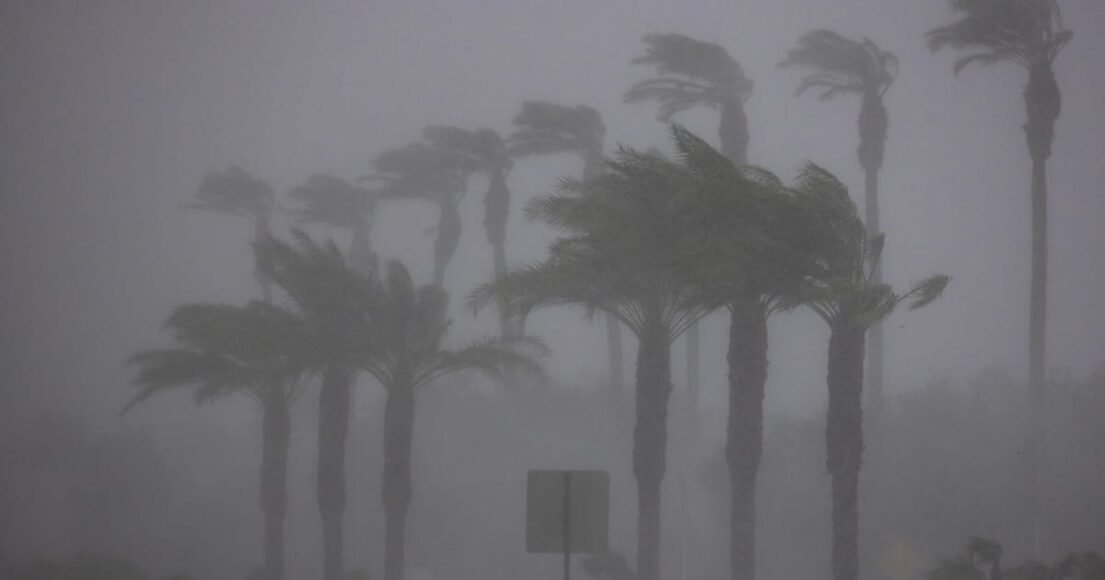
Over 80 people were killed and around six million affected by the category 5 hurricane, one of the most severe in the Atlantic on record.
The senior humanitarian emphasized Haiti, which is already facing issues like gang violence and food insecurity, mostly in the capital.
Approximately 5.7 million people – over half the population – face hunger and 1.4 million are displaced nationwide.
Fleeing Through Rivers of Mud
Hurricane Melissa brought heavy rains to southern Haiti, affecting 1.2 million people.
Ms. Castro visited Petit-Goâve, where the river overflowed its banks, forcing “people to escape from their houses in the middle of the night through rivers of mud.” Twenty-five residents died.
She met with “women and men in total distress” trying to rebuild their lives after losing loved ones, homes, livelihoods, crops, and cattle.
WFP, with other UN agencies, NGOs, and the government, was on the ground from the start, providing food and cash transfers, allowing people to make their own purchasing decisions.
Women informed her they would use cash transfers to buy food, soap, and other immediate necessities.
“We also talked with organized youth groups striving to help these communities to restart their lives,” she continued.
“What they ask is, ‘Please don’t forget us. Don’t forget us, because a month-and-a half ago we were in all the news, but now we need continued support.’”
Recovery and Rehabilitation
The hurricane also caused catastrophic damage in western Jamaica and eastern Cuba, and WFP has reached more than 725,000 people across the four countries.
“We are now trying to really work on recovery and rehabilitation through various tools,” Ms. Castro said, such as school feeding programs and supporting government initiatives to enhance social protection by registering everyone affected by the disaster.
“But it is very clear in Haiti and throughout the region that we need to invest much more, as we have done this time, in anticipatory action.”
Advance Preparation Critical
WFP undertook significant emergency preparedness work before the hurricane hit.
These measures included sending messages alerting Haitians of the approaching storm, reaching some 3.5 million nationwide, and distributing advance cash transfers to more than 50,000 people. In Cuba, teams also relocated food aid from the east to the west of the island.
“But we need to do much more of that,” she stated. “We really need also to ensure that our simulations and preparedness mechanisms are ready.”
Ms. Castro highlighted examples like microinsurance payments, which enable smallholder farmers in Haiti – who supply food for WFP’s “homegrown” school meals programs – to continue production.
“These are new mechanisms and tools that we need to expand in the region, in the Caribbean, because we know there will be hurricanes or earthquakes every year, as we saw last year in Cuba,” she said.
“We really need to work harder to build the resilience of these populations that are permanently affected so that food insecurity doesn’t become a trend but is reduced, with communities working for themselves and building their own resilience.”
WFP is seeking $83 million to reach 1.3 million people across the Caribbean affected by Hurricane Melissa, with roughly half the funding already received.






Leave a Reply