


The European Parliament is one of the foundational institutions of the European Union, vested with legislative authority, democratic oversight, and budgetary control. Headquartered mainly in Strasbourg, its significant sessions take place in Brussels, the de facto capital of the EU. In 2025, the Parliament continues to play a crucial role in shaping the Union’s policies, regulations, and financial architecture to meet the evolving challenges faced by its member states.
The Role of the European Parliament in the EU
Before delving into the specifics of decision types, it is essential to understand the European Parliament’s role within the EU institutional framework. The Parliament represents EU citizens directly, legislating jointly with the Council of the European Union, and overseeing other institutions, particularly the European Commission. It holds authority to pass laws on a vast range of policy areas, rejects or amends proposals, approves budgets, and holds the Commission accountable through hearings and votes of confidence.
The Parliament’s sessions in Brussels constitute a vital arena where elected representatives from diverse political groups debate and decide on laws and policies impacting over 450 million Europeans. The decisions made there have wide-reaching ramifications, affecting environmental sustainability, economic competitiveness, public health, digital innovation, defense cooperation, and social welfare, among others.
Legislative Decisions on Climate Action and Environmental Sustainability

One of the European Parliament’s top priorities in 2025 is advancing the EU’s climate agenda in line with the European Green Deal. Parliamentarians focus on passing legislation to reduce greenhouse gas emissions and promote sustainable development. A significant portion of these decisions revolves around enhancing the Emissions Trading System (ETS), which places limits on carbon emissions and incentivizes cleaner industrial practices. Parliament endorses measures regulating auctioning rights and carbon pricing mechanisms that also support the EU’s climate neutrality targets.
The Carbon Border Adjustment Mechanism (CBAM) is another critical legislative initiative that has gained prominence. It aims to apply a price on carbon emissions embedded in imported goods, balancing competitiveness for domestic producers while discouraging carbon leakage. This external dimension of EU climate policy seeks to extend environmental responsibility beyond its borders, ensuring global cooperation toward emission reductions.
Further environmental decisions in Brussels target the reduction of plastic waste through raising levies on non-recycled plastics and promoting better management of electrical and electronic waste. Legislative proposals encourage member states to improve recycling systems, reduce environmental footprints, and secure critical raw materials essential for the green and digital transition
Transforming the EU Budget and Own Resources System
In Brussels, the European Parliament plays a decisive role in shaping and approving the EU’s financial framework. The Multiannual Financial Framework (MFF) dictates budget priorities and limits for several years. In 2025, Parliament debates reform proposals to the system of its own resources—revenue sources that fund the EU budget.
The European Parliament in Brussels has adopted important financial reforms introducing new types of own resources to diversify and reinforce the EU budget. Among the innovative revenue streams are contributions based on electrical and electronic equipment that member states fail to collect, encouraging improved circular economy practices and better waste management. This own resource incentivizes reductions in e-waste and supports the Union’s strategic autonomy in critical raw materials.
Another key new financial decision is the introduction of the Tobacco Excise Duty Own Resource (TEDOR). TEDOR seeks to harmonize excise duties on tobacco products across member states, supporting EU health policy goals and addressing unfair cross-border shopping caused by tax disparities. This initiative is designed to generate significant revenue while complementing existing tobacco product regulations.
The Parliament also agreed on the Corporate Resource for
Seems like the EU Parliament in 2025 is quite the busy bee, trying to save the planet while sorting out the budget—who knew eco-friendly policy could come with a side of financial gymnastics? 🐝💰 Blimey, if the European Parliament’s decision-making were any more thrilling, we’d need a brolly for all the excitement! 🇪🇺💼 Who knew balancing carbon and budgets could be such a riveting pastime? 🥱 Seems like the European Parliament in 2025 is really committed to saving the planet—one bureaucratic session at a time. 🌍💼 Because who needs immediate action when you can just keep debating in style, right? Typical Brussels, making sure we all pay for the world’s problems while debating if the coffee is strong enough to keep us awake during the thrilling budget talk—who needs Netflix with this drama? 😂 Seems like the EU Parliament’s busy playing Monopoly with our taxes again—who knew reducing greenhouse gases could be such a lucrative side hustle? 🎲💸 Decisions made in Brussels are like fine wine: they age well—especially when you consider the endless discussions that go nowhere fast. 🍷 Who wouldn’t want to pay taxes on invisible e-waste while hoping the weather gets a bit warmer? Decisions made in Brussels? Oh, just the usual, like figuring out how to tax a cloud of carbon while tackling the pressing issue of non-recycled plastics—talk about priorities! 😂 Looks like Brussels is still the epicenter of decision-making, where they spend more time debating than a British pub on trivia night. Cheers to another year of legislation that may or may not change anything! 🍻 Blimey, if I wanted to watch a bunch of folks debate the merits of carbon taxes for hours on end, I’d just sit in a café and listen to local politicians argue about the best way to brew coffee! ☕️💸 Decisions in Brussels, eh? Just what we needed—more ways to complicate our lives while sitting in traffic, sipping overpriced coffee! 🙄💼 Look at the European Parliament flexing its muscles in 2025, making decisions like it’s the Michelin Guide for legislation. Who knew negotiating carbon emissions could be as thrilling as watching paint dry in a Berlin flat? 😏 Oh, fantastic! Just what we needed—another round of bureaucratic decisions from our beloved Parliament. Can’t wait to see how their “brilliant” climate legislation will magically fix the planet while we all still drive our gas-guzzlers. 🥳 Just what we need, more brilliant decisions from the folks in Brussels – I mean, who doesn’t love a good debate about carbon pricing while waiting for their next train? 🚆💼 Decisions made in Brussels are always a breath of fresh air—if that air was filled with the scent of bureaucracy and just a hint of despair. 🍃💨 Who knew the path to saving the planet involved so many meetings and even more paperwork? EU chief Antonio Costa has paid tribute to all those who he says are “standing strong in defending their homeland on the front lines and across Ukraine.” Islamabad, Pakistan, 26 August (Eurotoday Newspaper) – Fourteen infants have died after a PIMS hospital fire swept through a nursery in the Mother and Child Health facility at the Pakistan Institute of Medical Sciences in Islamabad, prompting an investigation and demands for accountability. Dammam, Saudi Arabia, 26 August (Eurotoday Newspaper) – A remarkable Al Nassr comeback saw the Saudi Pro League champions recover from two goals down to beat Al Ettifaq 3-2 despite playing most of the match with 10 men. Sadio Mané scored twice, including the late winner. Tokyo, Japan, 26 August (Eurotoday Newspaper) – Japan plans to extend detailed daily weather forecasts from seven days to two weeks by 2030, as authorities seek to improve preparations for extreme heat, heavy rain and snow linked to a changing climate.
Comments
14 responses to “Decisions Made by the Brussels European Parliament in 2025”
Last News
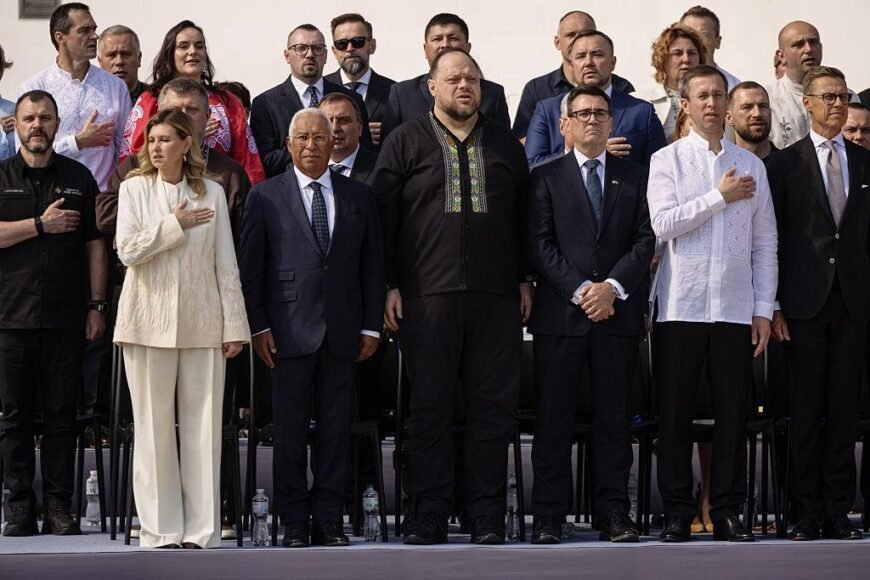
EU assures Ukraine: "We will continue to provide as much support as necessary"
The Portuguese-born official was speaking on Monday at Sofiiska Square in Kyiv, the country’s capital, to celebrate Ukraine’s Independence Day.
He told the packed audience that August 24 marks the moment when Ukraine joined the “free nations of
Rudnev Case Takes an Unexpected Turn: Sole Alleged Victim Breaks Silence
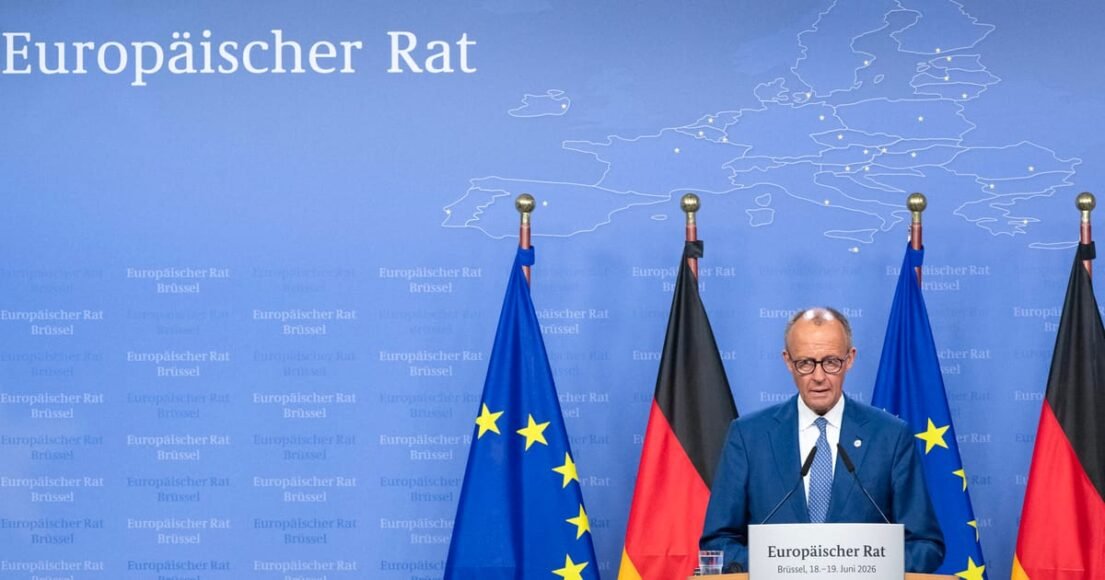
Merz Aligns EU Budget-Cutters While Costa Seeks Agreement
The leaders gathering in Berlin want not only to red
Fire at PIMS Hospital in Islamabad Claims 14 Infants’ Lives
Fire spreads rapidly through hospital nursery
The blaze broke out early on Wednesday on the third floor of
Salvation in Orthodox Theology: Embracing New Life in Christ
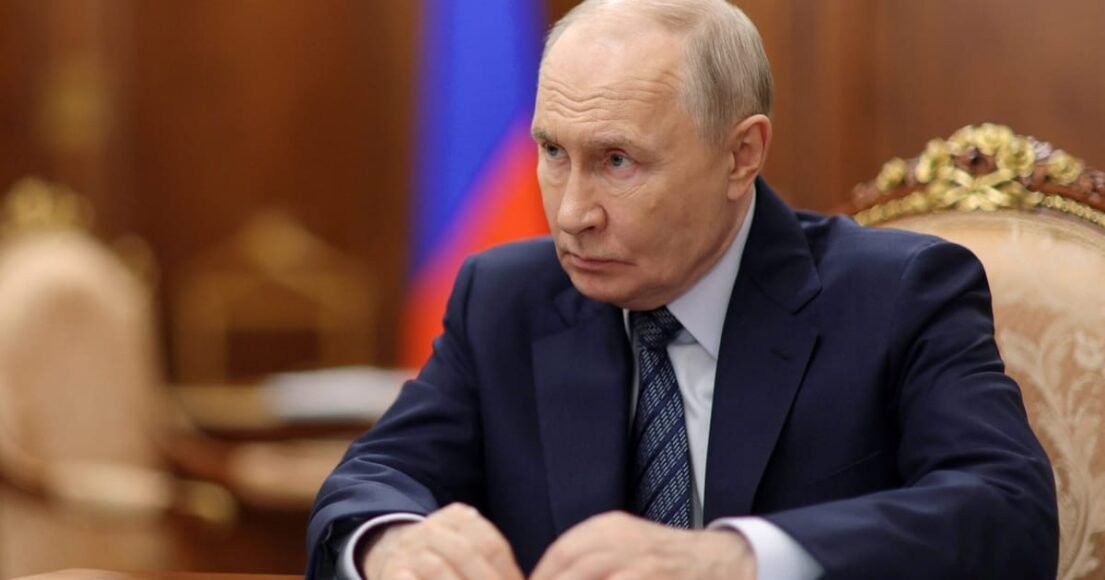
Hungary Declares Russia a ‘Threat’, Breaking With Orbán Policy
Since replacing Orbán this spring, Magyar has realigned Budapest’s foreign policy. He has repaired
Short-Handed Al Nassr Rallies to Defeat Al Ettifaq 3-2 in Dammam
Early red card changes the contest
Al Nassr suffered a major setback after just 12 minutes when goalkeeper Bento was shown a s
Dogmatic Debate with Donatism (Part 2)
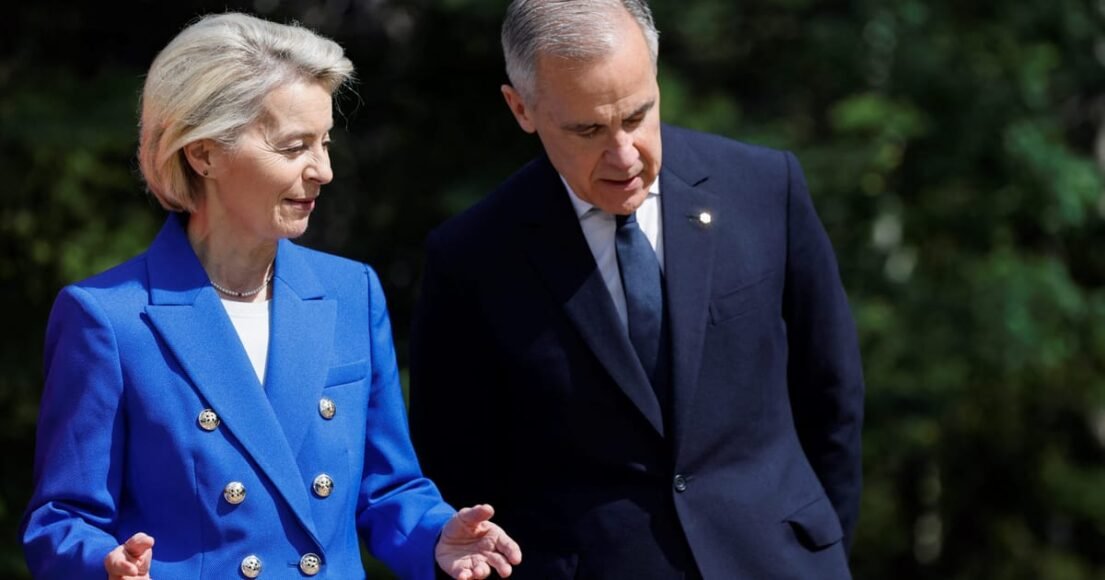
Carney of Canada to Attend EU State of the Union
An official from the European Commission, close to von der Leyen, confirmed to POLITICO that Carney has accepted the invitation to this significant event in the EU’s calendar, where the presiden
Japan to Extend Weather Forecasts to Two Weeks by 2030
Longer forecasts widen the warning window
The Japan Meteorological Agency (JMA) plans to provide daily forecasts covering up to two weeks. These

Leave a Reply