


Belgium is a federal state with a complex political and administrative structure that reflects its linguistic and regional diversity. At the heart of this system lies the Parliament of the Brussels-Capital Region, a key legislative body that governs the Brussels-Capital Region, one of Belgium’s three autonomous regions.
Belgium’s Federal Structure and the Brussels-Capital Region
Belgium’s government is divided into three regions — Flanders, Wallonia, and Brussels-Capital — and three communities based on language: Flemish, French, and German-speaking. The Brussels-Capital Region is unique as it is officially bilingual, accommodating both French-speaking and Dutch-speaking populations. The Parliament of the Brussels-Capital Region legislates on regional matters—distinct from the federal government and other community parliaments—and plays a crucial role in managing local governance for the 19 municipalities making up the Brussels metropolitan area.
The Parliament of the Brussels-Capital Region: Composition and Language Groups
The Brussels Regional Parliament is a unicameral legislature consisting of 89 members elected by direct universal suffrage every five years by residents who are Belgian citizens. These members are divided into two language groups: 72 French-speaking and 17 Dutch-speaking parliamentarians. This division ensures proportional representation of the linguistic communities within Brussels, reinforcing the bilingual nature of the capital.
This structure is designed to reflect the demographic realities of the region while ensuring equitable political participation among language groups. Members elected to the French-language group also form the Francophone Brussels Parliament, while Dutch-speaking members constitute the Council of the Flemish Community Commission. Together, these two bodies collaborate on matters concerning the bilingual environment of Brussels.
How did the 2001 reform increase Brussels seats and why

The 2001 reform, enacted through the Lambermont and Lombard accords as part of Belgium’s fifth state reform, increased the number of seats in the Brussels-Capital Region Parliament to better accommodate its linguistic diversity and political representation. Prior to this reform, the Parliament had 75 members, divided into 64 French-speaking and 11 Dutch-speaking representatives. The reform expanded the Parliament to 89 seats, with 72 seats allocated to the French-speaking group and 17 to the Dutch-speaking group.
The primary reason for this increase was to provide guaranteed and more proportional representation for the Dutch-speaking minority in Brussels. Given that Brussels is officially bilingual and has a significant Dutch-speaking population alongside the French-speaking majority, the reform aimed to ensure fairer political participation and respect for the linguistic communities. The Lambermont Accord specifically addressed the powers transferred to regions and communities to strengthen regional autonomy and governance effectiveness, and the Lombard Accord amended the functioning of Brussels institutions, including the distribution of parliamentary seats and voting majorities necessary for adopting regional ordinances. These changes helped stabilize the political balance in Brussels, enhancing democratic representation within the complex federal system of Belgium.
Roles and Functions of the Brussels Parliament
The Brussels Parliament performs several core functions essential to the governance and legislative management of the Brussels-Capital Region. Its primary role is legislative, where it drafts, debates, and enacts regional policies and ordinances that carry the full force of law within the region. These legislative actions encompass key areas such as urban planning
Comments
11 responses to “Structure and Functions of the Belgium Parliament in Brussels Explained”
-
Honestly, if I had a euro for every time I read about Belgium’s political structure, I’d be sipping a Trappist beer in Bruges right now instead of trying to decipher this linguistic labyrinth! 🥴
-
Oh, the Brussels Parliament – where 89 members manage to make a simple decision as complex as a Belgian waffle recipe! 🍻 Who knew that ensuring equal representation for two languages could feel like herding cats wearing tiny berets?
-
Typical Belgian governance: let’s add more layers to the onion instead of peeling them back! Who knew that having 89 politicians to decide on which waffle shop to open next was the solution to everything? 😂
-
Isn’t it delightful how Belgium manages to keep its Parliament so complicated? It’s like a linguistic jigsaw puzzle where everyone’s trying to find their piece, but instead, they just end up arguing about the color of the box! 😂
-
Oh, the brilliant complexity of the Belgian Parliament—who knew juggling two languages and 89 seats could be this entertaining? It’s like watching a football match where half the players are on one side of the pitch and the other half are trying to figure out what the score is! 😂
-
If I had a euro for every time I tried to explain the Brussels Parliament’s structure, I’d probably have enough to buy a waffle shop; who knew governing a bilingual city could be such a laugh? 😂 Or maybe that’s just the sound of politicians juggling languages while trying to agree on something—good luck with that!
-
Isn’t it charming how Belgium manages to turn a simple parliament into a veritable circus of languages and seats? Just when you thought politics couldn’t get any more complicated, here comes Brussels waving its bilingual flag with 89 members—because who doesn’t love a good logistical headache? 🇧🇪😂
-
If you’ve ever wanted to see a political structure that’s as clear as Belgian mud, look no further than the Brussels Parliament! 89 seats for a city the size of a postage stamp—clearly, they must have really important debates about the weather and chocolate 🍫.
-
Seems like the Brussels Parliament is having a real identity crisis—it’s like a bilingual party where half the guests can’t stop arguing over who gets the last croissant. 🍷🇧🇪
-
Just what we needed, another deep dive into the labyrinthine structure of Belgian bureaucracy—because who doesn’t love deciphering political jargon over a pint of lukewarm beer? 🍻 A real page-turner, this one!
-
Isn’t it just delightful to see a parliament where the only thing more complex than the structure is the coffee order? ☕️ Who needs simplicity when you can have a linguistic buffet? 😂

Last News
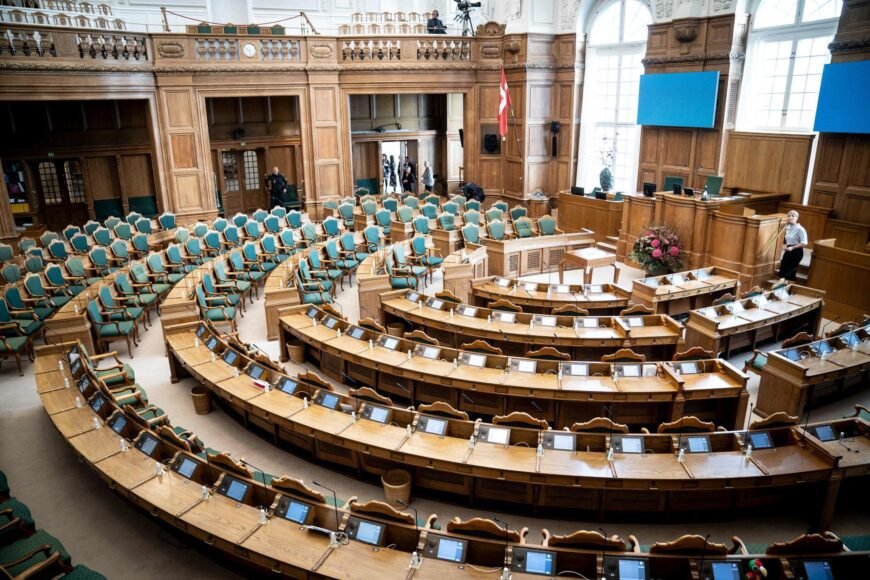
Denmark Coalition Government: 7 Key Priorities Define New Leadership for Copenhagen 2026
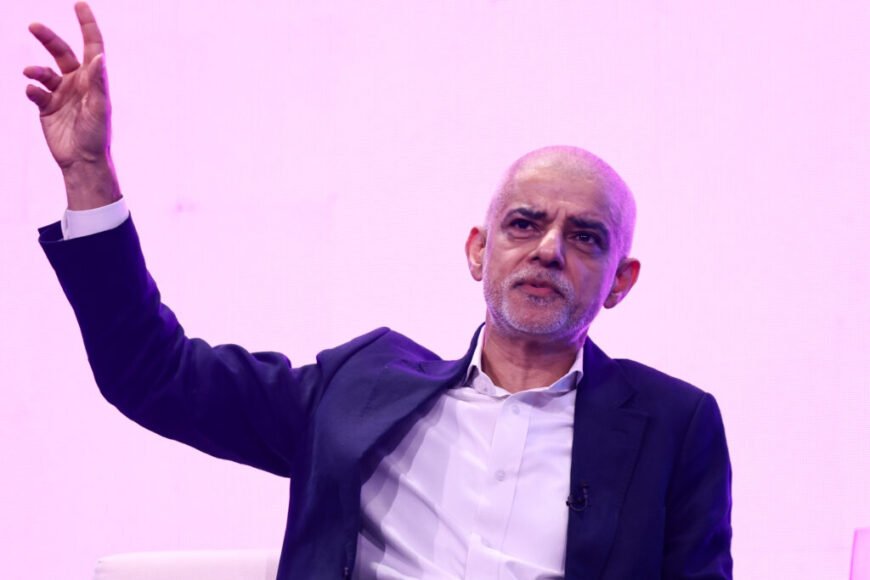
Square Mile Initiates ‘Londonmaxxing’ Campaign
Sadiq Khan, the Mayor of London, accused MAGA supporters and Russia of spreading false information about London on social media, though crime significantly decreased during his term.
Khan promoted “Londonmaxxing” to emphasize the city’s po

American Media on Bulgaria’s Decision Regarding US Planes in Sofia
American media outlets, The Hill and US News & World Report, covered Bulgarian Prime Minister Rumen Radev’s announcement that US military planes in Sofia will depart by the end of June. This decision followed the Trump administration’s failure to appr

Microsoft AI Innovations Gain Momentum Amid Arm CEO’s Concerns Over AI Chip Export Restrictions, Cambridge, UK 2026
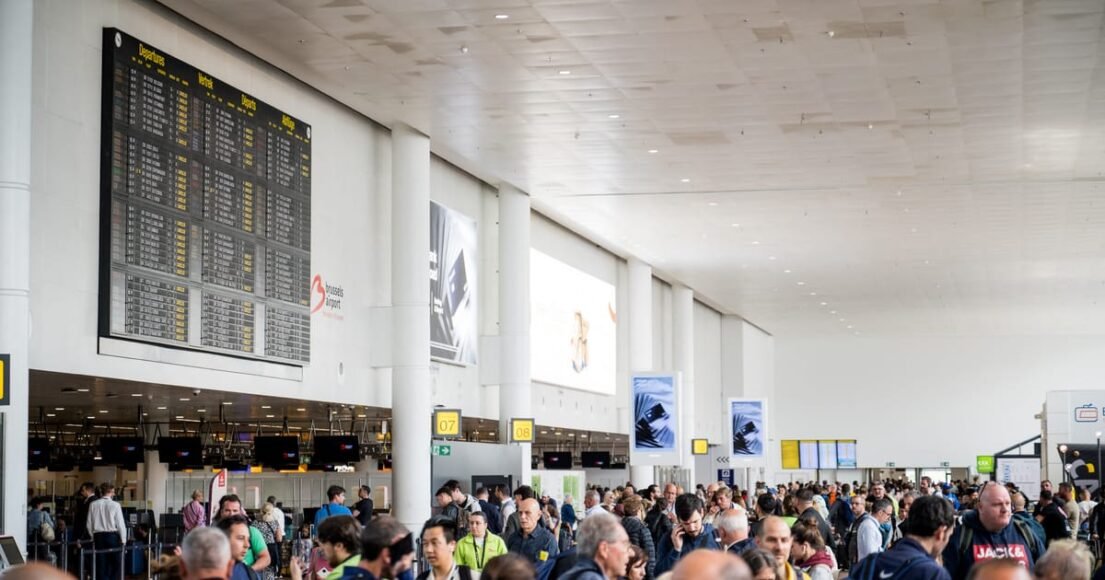
Parliament and Council Dispute Air Passenger Rights, Talks Ongoing
Negotiations ended at 5 a.m. after 16 hours of inconclusive discussions on several parts of the reform, including the delay threshold granting the right to compensation and

Ephesians Epistle: Context, Origins, and Content

Semiconductor Industry Trends Spotlighted as Arm CEO Challenges AI Chip Export Limits, Cambridge, UK 2026
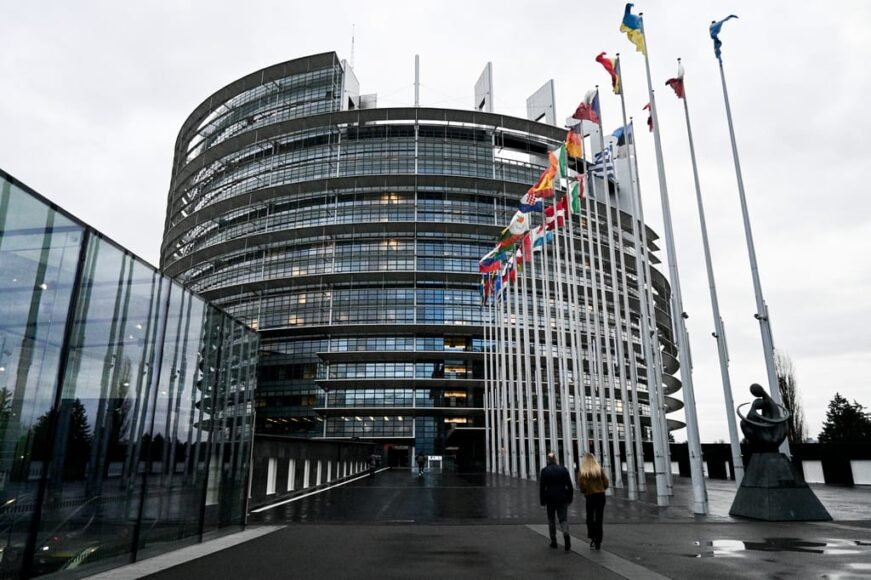
Unsanitary Strasbourg Hotel Prompts MEP to Seek Medical Assistance
Such a procedure would enable hygiene complaints to be promptly reported to Parliament’s travel agency and could result in problematic hotels being remov
Metropolitan Hilarion Alfeev Released and Urgently Departs Czech Republic

Leave a Reply