


Prague – Steelmakers in the Czech Republic are calling for a strategic plan to support steelworks with energy prices, akin to Germany’s approach, warning that without it, Czech steelworks may lose their competitive edge. The Czech Steel Union highlighted this concern in a press release. Germany plans to implement a subsidized electricity tariff for industries beginning January 2026. Following issues at Liberty Ostrava, Třinec Ironworks remains the only domestic producer of raw steel. The Steel Union estimates that Czech steel producers would incur an additional annual energy cost of three to four billion CZK compared to their German counterparts benefitting from subsidies.
German Chancellor Friedrich Merz noted that European steelmaking faces challenges not only from U.S. tariffs but also from subsidized Chinese steel imports. In response, Germany is advocating for a reduction in the steel import quota by 47 percent, lowering it to 18.3 million tons annually. Additionally, tariffs on imports exceeding these quotas are set to rise from 25 percent to 50 percent. The German government has proposed an industrial electricity price aimed at reducing energy expenses for energy-intensive sectors, including steelmaking, starting in January 2026. The objective is to keep industrial electricity prices around 50 euros (approximately 1200 crowns) per megawatt-hour, supported by a state budget allocation of 6.5 billion euros (around 157 billion CZK).
Roman Heide, CEO of Třinec Ironworks, expressed understanding of the German government’s initiatives as necessary for stabilizing the industry amid rising costs and unpredictable energy policies. He warned that without equivalent support, Czech steel production could become unsustainable in the long run, leading to job losses and decreased industrial self-sufficiency.
The Steel Union emphasized that the Czech steel industry is one of the most energy-intensive sectors, with Třinec Ironworks consuming about one terawatt-hour of electricity yearly. While industrial energy prices in the Czech Republic hover around 100 euros (approximately 2400 CZK) per megawatt-hour, German industries are expected to pay roughly half that amount post-tariff implementation.
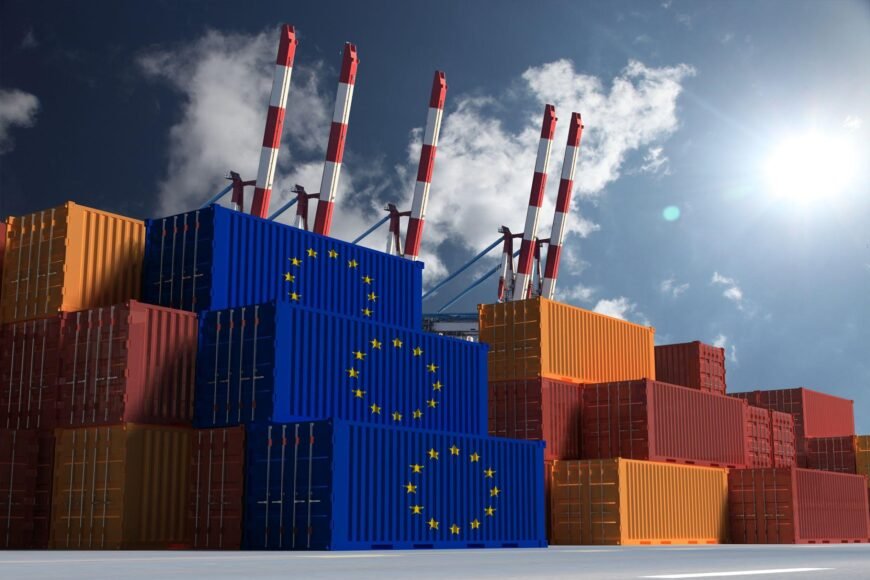
The European Union’s Clean Industrial Deal permits member states to adopt temporary national measures for industry support, including energy subsidies or investment incentives. Czech steelmakers argue that this has shifted the responsibility for industrial policy to national governments, enabling economically stronger countries to better shield their industries.
Marcela Kubalová, chairwoman of the Steel Union’s board, remarked that due to the new tariff, the German industry will face energy costs about half as much as those for Czech businesses, presenting a systemic risk for a closely linked region like Central Europe. (November 19)




Leave a Reply