



The annual report from the Secretary-General, released on Thursday before the 80th session of the UN General Assembly’s high-level session, presents a determined account of the Organization’s efforts amid rising challenges.
Mr. Guterres emphasized the perseverance of UN staff, dedicated to providing hope and assistance to those in need despite challenging conditions. “The current report shows that despite extremely difficult times – indeed, because of them – we can and must continue striving for the better world that we know is achievable,” he stated.
The UN, alongside partners, coordinated a $50 billion appeal for the humanitarian needs of 198 million individuals. In 2024, the UN helped mobilize $25 billion of this target, delivering life-saving humanitarian aid to 116 million people in urgent need across 77 countries and territories.
This facilitated life-saving programs in the Horn of Africa, the Occupied Palestinian Territory, Sudan, Ukraine, Yemen, and areas impacted by natural disasters like earthquakes in Vanuatu, drought in Southern and Eastern Africa, and floods in South-East Asia.
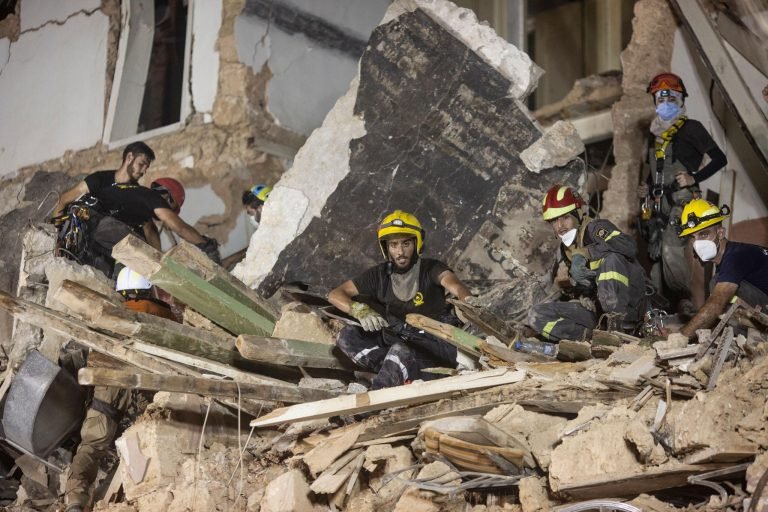
However, UN operations in 2024 incurred a tragic human toll. It was the deadliest year for UN staff and humanitarian workers, with 373 aid workers killed. Most of these casualties were personnel from the UN Relief and Works Agency for Palestine Refugees in the Near East (UNRWA), working under extreme and dangerous conditions in Gaza.
In launching the report, the Secretary-General honored their sacrifice, reaffirming the UN’s steadfast commitment to supporting the world’s most vulnerable.
Peace and security remain central to the UN’s mission. Diplomacy for peace was critical to the Organization’s operations amid escalating challenges to global peace and security. Despite increasing threats, the UN’s diplomatic initiatives continued to safeguard hundreds of thousands of civilians daily and further peace processes.
During Syria’s political transition, the UN engaged stakeholders following Security Council resolution 2254, endorsed in 2015 for a peace process, to de-escalate violence, protect civilians, and prevent regional spillover.
In the Occupied Palestinian Territory, including East Jerusalem, Gaza, and the West Bank, the UN worked closely with all parties to end violence, enhance humanitarian access, and maintain assistance to affected populations.
In Lebanon, the UN supported de-escalation and the resumption of a cessation of hostilities in line with Security Council resolution 1701, enabling people to return to their homes on both sides of the Blue Line.
The UN also facilitated peace talks, supported state-building efforts, and helped protect civilians globally, including in Sudan. The Organization’s efforts in Abyei promoted peaceful coexistence and reduced intercommunal violence.
The Peacebuilding Fund allocated over $116 million to support national peace plans in 32 countries and territories, emphasizing gender equality. Partnerships with regional organizations, like the African Union, further strengthened conflict prevention.
The 2024 Summit of the Future marked a historic turning point for multilateralism. World leaders adopted the Pact for the Future, a landmark agreement to rejuvenate international cooperation and provide solutions for people and the planet.
The Pact advocates for stronger diplomacy and conflict prevention, reforms to the global financial system, urgent climate action, and accelerated progress on the Sustainable Development Goals (SDGs). It also calls for more representative and effective global governance, including reforms to the Security Council and increased representation for developing countries.
The Global Digital Compact and the Declaration on Future Generations, adopted as annexes to the Pact, highlight its scope and ambition. The Compact presents a vision for a secure, open, and inclusive digital future, committing Member States to bridging digital divides, promoting universal digital public infrastructure, and enhancing data and AI governance.
The Declaration marks the first global agreement to systematically consider the rights and interests of future citizens in current decisions, embedding foresight in policymaking and paving the way for long-term sustainable action.
Together, these outcomes form the foundation for a generational renewal of multilateralism. As Secretary-General Guterres emphasized: “By addressing the pressing issues of our time, the United Nations is paving the way for a more equitable and sustainable future, ensuring that digital technologies are harnessed for the benefit of all humanity.”
The United Nations remains guided by the vision that human rights are essential for solutions to global challenges and form the basis for peace, justice, and sustainable development. In 2024, the Organization advanced initiatives to eliminate violence against women and girls, empower rural and marginalized communities, and ensure women’s participation in peace and constitutional processes.
Human rights were also integrated into responses to conflict, migration, climate change, and digital governance, helping strengthen protection, accountability, and inclusion across the Organization’s work.
At the same time, sustainable development and climate action stayed central. The UN supported 170 countries in implementing their nationally determined contributions to reduce emissions and provided targeted assistance for low-carbon transitions in developing States.
The Organization also advocated for reforms to the global financial system to close the widening SDG financing gap, ensuring that the most vulnerable countries can deliver







Leave a Reply