



Following the presentation of a mandated report to the Human Rights Council in Geneva on Tuesday, Mohamed Chande Othman, chair of the Fact-Finding Mission on Sudan, affirmed that both the Sudanese Armed Forces (SAF) and Rapid Support Forces (RSF) militia were responsible for atrocity crimes.
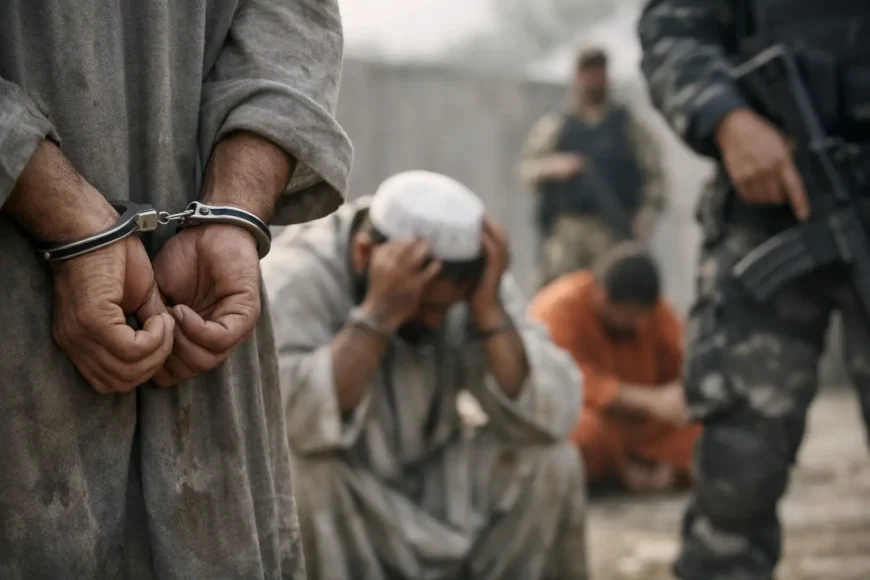
Survivors from RSF detention sites referred to these locations as “slaughterhouses” in their testimonies.
Tortured, starved, denied medical care
In an infamous RSF facility, numerous detainees have died since June due to torture, lack of food, and medical neglect, according to the independent rights expert.
Similarly, in SAF-run detention centers, civilians faced torture, including electric shocks and sexualized abuse, and were housed in cells so overcrowded that some had to sleep standing, he added.
Additionally, girls as young as 12 were coerced into marriage, “sometimes under the threat of death to their families,” the fact-finding mission chair noted.
“Men and boys were also subjected to sexualized torture, acts rooted in racism, prejudice, and impunity, devastating entire communities.”
Emphasizing the absence of diplomatic solutions to the conflict that started in April 2023 and its severe impact on civilians, report co-author Mona Rishmawi stated, “everybody knows you cannot rape, you cannot loot, you cannot destroy property. You cannot starve people…But if there is no accountability, of course they will continue doing it.”
Extermination goal
When asked why the report refrained from labeling the Sudan situation as genocide, Ms. Rishmawi explained that the evidence “basically looks at more or less the same kind of violations as genocide.”
She elaborated: “You kill, [you provide] no food, no water, you don’t allow food production. You don’t allow access to food, to markets…and you don’t allow access to humanitarian aid. What you do want is to kill the population…So, the effect of this is really the crime against humanity…of extermination.”
Hunger crisis
The investigative body established by the Human Rights Council in October 2023 highlighted the severe humanitarian emergency caused by the war.
“In displacement camps such as Zamzam and Abu Shouk, witnesses describe children dying of hunger and dehydration in the streets, including people eating animal food,” stated Joy Ngozi Ezeilo, Expert Member of the Fact-Finding Mission.
Earlier, addressing the council, fact-finding mission chair Mr. Othman emphasized that the war was “destroying not only lives but also the means of survival,” with hospitals, markets, water and electricity systems – and even humanitarian convoys – systematically targeted.
“Markets, the backbone of food access, have been repeatedly bombed,” he said, noting that in October 2024, SAF airstrikes on El Koma market killed at least 45 civilians.
Dying of thirst
“Two months later, Kabkabiya market was struck, killing more than 100. In March this year, SAF bombed Tora market during peak hours, killing and injuring hundreds.”
The mission report highlighted how the RSF had also shelled markets, looted entire areas, and destroyed Zamzam camp’s market.
RSF drone strikes targeted the Merowe Dam and water towers, leaving communities without drinking water, while “one mother told us she lost all four of her children to thirst while fleeing,” Mr. Othman reported, who, like other panel members, is an independent human rights expert and not a UN staff member.






Leave a Reply