


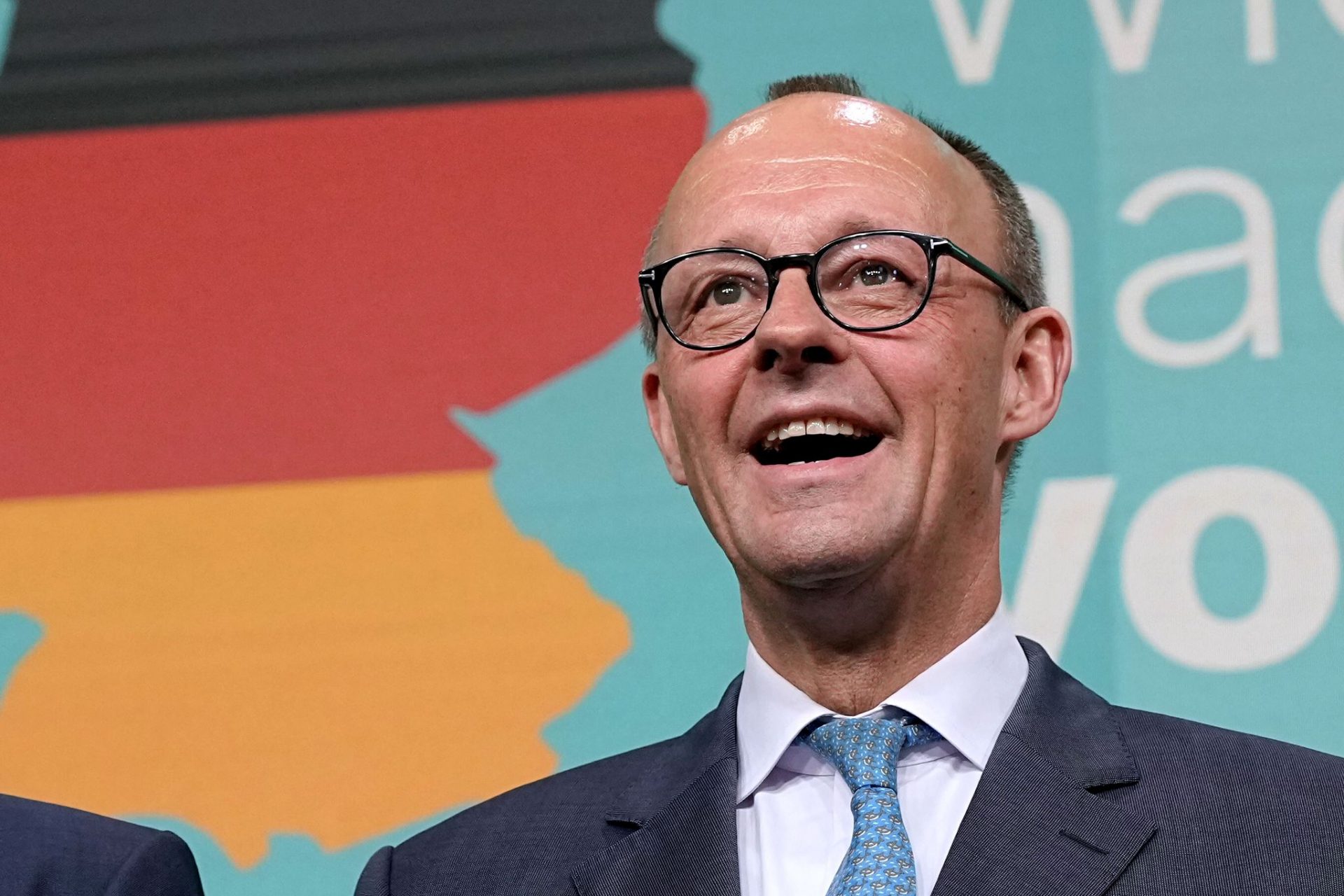
Brussels – The newly appointed German Chancellor Friedrich Merz aims to reestablish Germany as a pivotal force within the EU. At his summit debut in Brussels, he expressed his intention to make a “personal contribution to ensure Europe’s successful transition in the coming years,” highlighting the range of challenging topics on the agenda, including sanctions against Russia, relations with Israel, and the trade dispute with the USA.
“Europe is facing decisive weeks and months”
Friedrich Merz, German Chancellor
Merz’s Commitment to Europe
This summit signifies Merz’s return to the European political arena, having begun his career as a member of the European Parliament from 1989 to 1994. As opposition leader, he frequently criticized his predecessor Olaf Scholz for his conduct in Brussels.
In a newsletter published last December, Merz remarked, “Unfortunately, it must be said: The majority of European leaders no longer wish to engage with the German Chancellor, who either remains silent for hours or condescendingly explains global matters.”
Merz is determined to shift this dynamic, aiming to restore Germany’s leadership role in Europe. “Germany will initiate efforts to rejuvenate the European principles of freedom and peace, ensuring Europe meets its potential and significance on the global stage,” he stated in his government address.
Several key issues are anticipated to arise:
Migration Policies: A Hardline Approach
Before the summit officially commenced, Merz signaled his intentions by meeting with hardline leaders on EU migration policy, including Italy’s Prime Minister Giorgia Meloni, Denmark’s Prime Minister Mette Frederiksen, and the Dutch Prime Minister Dick Schoof. Their discussion centered on streamlining repatriations.
Germany reinstated border controls at its external borders in mid-September 2024, citing the need to combat illegal migration. Under the new government, these controls were intensified in May, leading to the rejection of asylum seekers at the borders, which has frustrated neighboring countries like Poland and Luxembourg.
Merz’s Stance on Israel
At his first summit, Merz encountered significant pushback regarding his approach to Israel. Spain’s Prime Minister Pedro Sánchez indirectly accused him of inconsistency for refusing to impose sanctions on Israel. Sánchez argued that it was illogical to impose 18 sanction packages on Russia while declining to suspend a partnership agreement with Israel over clear human rights abuses in Gaza, asserting that opponents of such actions apply “two different standards.”
The member states at the summit were unable to reach a consensus on Israel, with the final statement only referencing an internal EU review that indicated violations by Israel concerning its cooperation with the EU. The document noted that discussions on “appropriate follow-up measures” would continue in July 2025, based on the evolving situation.
Trade Dispute Challenges
One of Merz’s significant challenges will be addressing the ongoing trade dispute with the USA. At the EU level, the focus remains on maintaining unity despite varying national economic interests.
Currently, new high US tariffs on nearly all EU exports to the United States will be implemented if no agreement is reached by July 9. The EU is prepared to respond with its own tariffs on American imports.
Increasing Pressure on Russia
Merz believes that economic pressure is the most effective strategy to encourage Russian President Vladimir Putin to negotiate an end to the aggression against Ukraine. This has been a priority for him since his visit to Kyiv early in his tenure in May.
He expressed satisfaction that the summit would see a new sanctions package against Russia, targeting the financial and energy sectors.
Strengthening Relations with Macron
Establishing strong connections with fellow heads of state is crucial for Merz, having already met with them previously. He places particular importance on fostering a good relationship with French President Emmanuel Macron, a rapport that his predecessor Scholz






Leave a Reply