


Cairo greeted us with an intense heat that clung to our skin, immersing us in a city of magnificent history and, at times, crumbling splendor. As we made our way to the hotel, the skyline was punctuated by towering mosques and solemn government buildings, interspersed with omnipresent billboards of President Al-Sisi—showcasing him with world leaders or in solitary, authoritative portraits. Together, they projected a clear message: Egypt is stable, the threat of the Muslim Brotherhood is over, and the country remains under firm control.
On the first day of our journey, we attended a panel discussion featuring journalists and Palestinian individuals recounting their personal experiences. Reporters who had been stationed in Gaza shared the harrowing challenges of their work—always aware that the next moment could bring death or tragic loss. Their mission, alongside Italian MP Danilo Della Valle, members of the European Parliament, and representatives of organizations such as AOI, ARCI, and Assopace Palestina, was to bring attention to the unfolding humanitarian tragedy in Palestine. With increasing desperation, many ordinary citizens have taken to documenting the crisis with their mobile phones, becoming citizen journalists in a land under siege.
In Al Arish, a Mediterranean coastal city, Gaza lay almost within reach. That evening, even though we were dozens of kilometers away, shockwaves from Israeli bombings reached us, carried by the wind and sea. The next morning brought grim news—one of the airstrikes had killed a brother of Hamas leader Yahya Sinwar.
We eventually made it to the heavily guarded Rafah border crossing. Construction was underway, raising containment walls that appeared to signal increased Egyptian militarization. It is possible those same walls could serve as the foundation for refugee camps in the future. Despite our efforts, we were not allowed to cross. Bombs echoed even louder than before, and a heavy sense of despair descended upon us—a feeling compounded by the glaring inaction of the international community. A fundamental shift in global response is urgently needed.
On the third day, we visited the warehouses of the Egyptian Red Crescent. There we saw thousands of tons of humanitarian aid—food, medical supplies, and other essentials—languishing in storage. Israeli restrictions had blocked the distribution of these life-saving resources, leaving two million people in Gaza on the brink of starvation.
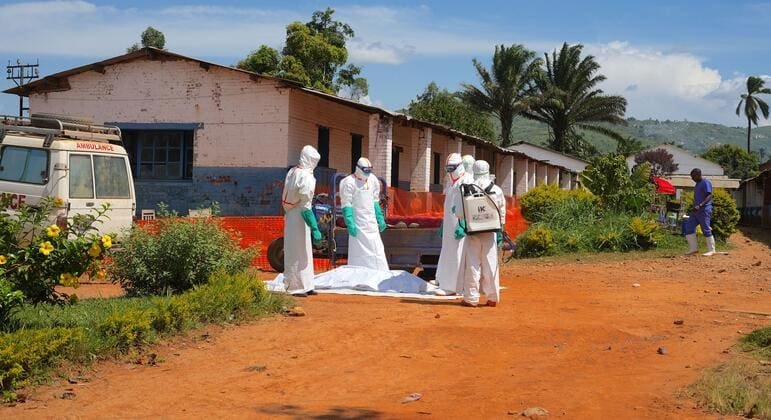
During the initial ceasefire, aid from countries like Italy had managed to enter Gaza. But since the renewed escalation and subsequent blockade by Israel, all border crossings have been sealed. Previously, at least two entry points had allowed some access. Now, despite the presence of UN agencies ready to act—with 1,500 aid trucks stationed in Rafah alone, and 9,000 across all entry points—virtually no supplies are being permitted through. According to UN officials, if aid does not reach Gaza within 48 hours, up to 14,000 children could die of starvation. What lies behind those barriers is not collateral damage—it is deliberate devastation: wounded children, families torn apart, and hospitals stripped of water, power, and medical supplies.
Politics must find the courage to stand between bombs and civilians—not retreat behind hollow words. On the final day of our mission, we met with representatives of the Arab League. A unanimous call for a ceasefire emerged from our discussions, but it was clear that more decisive action is required to halt this humanitarian catastrophe. We cannot allow ourselves to be complicit in what we witnessed. We will continue to resist and raise our voices against this genocide.
Eurotoday is a daily online newspaper based in Belgium. Eurotoday publishes unique and independent coverage on international and European affairs. With a Europe-wide perspective, Eurotoday covers the policies and politics of the EU, significant developments in its Member States, and global events through a European lens.






Leave a Reply