



Title: Escalating Violence in North Darfur Forces Hundreds of Thousands to Flee
Violent clashes between armed militias and Sudan’s military government forces have intensified across North Darfur in recent weeks, coinciding with the second anniversary of the country’s civil war.
Internally displaced persons (IDP) camps in El Fasher and Zamzam have been among the hardest hit. These camps had served as temporary refuge for civilians already forced to flee their homes due to earlier fighting.
Devastation at Zamzam Camp
“The bombs were falling on the hospital. The sick and their mothers were killed. Those of us who survived left with only our children on our backs,” said Hawa, a mother of three who survived an airstrike on a hospital inside Zamzam camp. Her harrowing testimony was shared with UNICEF.
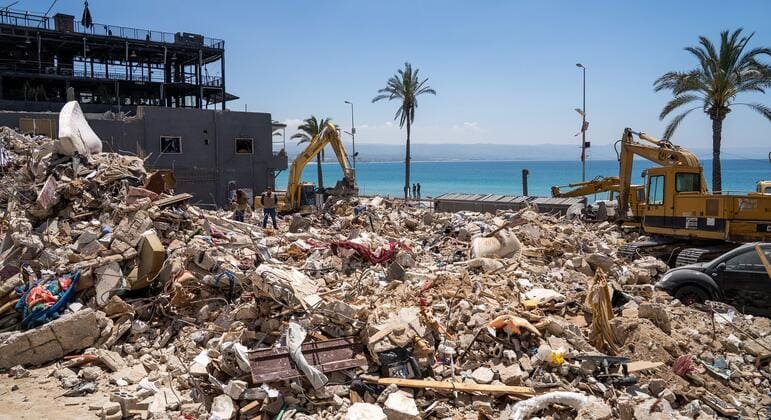
The United Nations reports widespread destruction of critical infrastructure, a collapse in healthcare services, and a suspension of water deliveries across the region. Zamzam camp, which housed around 400,000 people before the recent bombardment, has now been nearly emptied. Over 332,000 residents have been forced to flee, according to the International Organization for Migration (IOM).
Humanitarian agencies are also expressing alarm over growing reports of sexual violence, the deliberate targeting of civilians, and forced recruitment—particularly attributed to members of the Rapid Support Forces (RSF) militia.
Mounting Pressure on Aid Systems
The mass displacement is placing enormous pressure on host communities, many of which are already struggling with fragile infrastructure and limited resources. Health services, water supplies, and food systems are being pushed to the brink.
Fuel shortages have crippled water trucking services, especially in El Fasher, worsening the humanitarian crisis. Many IDP camps are now facing urgent shortages of shelter, clean water, food, and basic protection services.
In Central Darfur, aid workers report an alarming rise in malnutrition, particularly among children. Hawa shared the dire situation her family faces daily: “In the past, we had three to four meals per day. For the past two years, giving [my children] one meal a day is a miracle.”
In response, the UN and humanitarian agencies are working to distribute emergency food aid in affected areas such as Tawila in North Darfur. However, they warn that existing resources are insufficient to meet the growing need.
A Call for Immediate Action
Without a rapid scale-up in humanitarian assistance, thousands of displaced individuals risk sliding further into extreme vulnerability. UN agencies and humanitarian partners are urgently appealing to the international community for increased funding to prevent further loss of life and irreversible suffering.
The situation in North Darfur remains dire, with no signs of resolution to the civil conflict that has now displaced millions and plunged the region deeper into crisis.









Leave a Reply