



In Gaza’s coastal area of Al Mawasi, displaced families are enduring increasingly dangerous and inhumane conditions, according to Louise Wateridge, Senior Emergency Officer at the UN Relief and Works Agency for Palestine Refugees (UNRWA). In an interview with UN News, she described scenes of malnourished children and exhausted families living amid extreme heat, limited clean water, and little to no access to basic medical care.
“The waste is overwhelming. Sewage floods the area. Rodents, insects, rats and mice are all moving freely between the structures people are using for shelter,” said Wateridge. “Disease is spreading rapidly, and there just isn’t enough medicine to go around.”
Although UNRWA teams are working to clean up the area, they are running out of supplies. “We only have about 10 days’ worth of pesticides left — and once those run out, the situation could spiral even further,” she warned.
Public Health Infrastructure in Ruins
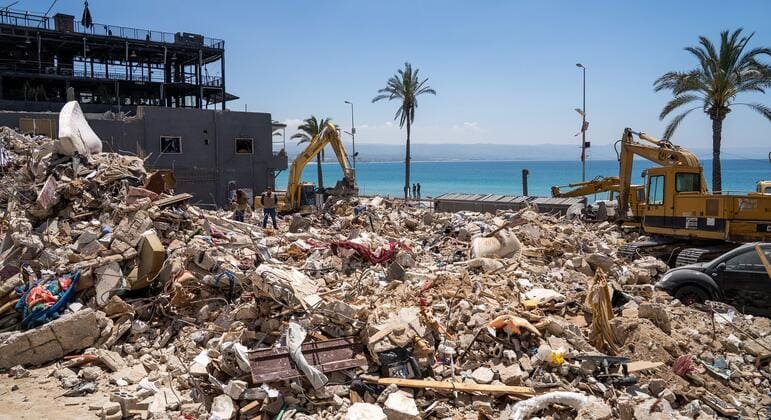
The crisis is being compounded by the widespread destruction of Gaza’s public health infrastructure. According to the United Nations Office for the Coordination of Humanitarian Affairs (OCHA), Israeli airstrikes between 21 and 22 April destroyed more than 30 vehicles critical for waste collection, water distribution, and sewage management.
In the past week alone, at least 23 airstrikes reportedly hit tents sheltering internally displaced people (IDPs), killing dozens of civilians — among them women, children, and people with disabilities.
Struggling Health System
Gaza’s already fragile healthcare system is collapsing. OCHA reported that more than half of the remaining operational medical facilities are located in areas currently under evacuation orders, making them practically inaccessible to many in urgent need. The region also faces dire shortages of medical staff, essential supplies, and equipment.
As of 15 April, around 420,000 people have been displaced, many for the second or even third time since hostilities escalated.
Aid Efforts Obstructed
Access for humanitarian aid continues to shrink. According to OCHA, no humanitarian assistance entered Gaza for 52 straight days as of late April. From 15 to 21 April, nearly half of all planned humanitarian missions were either blocked or hindered. Of 42 coordinated aid operations during that period, 20 were denied permission, two encountered obstacles, 19 were successfully completed, and one was canceled.
Funding Shortfalls Jeopardize Humanitarian Response
Adding to the crisis is a severe lack of funding. By 22 April, donors had contributed approximately $569 million — just 14 percent of the $4.07 billion required — to address the most urgent humanitarian needs for an estimated three million people in Gaza and the West Bank, including East Jerusalem.
With needs growing and resources dwindling, humanitarian agencies continue to call for immediate support and unrestricted access to provide lifesaving aid to those most affected.









Leave a Reply