



In 2015, German Chancellor Angela Merkel stood before the European Parliament and declared, “Wir schaffen das”—“We can do it.” Over one million refugees fleeing conflict in Syria crossed into Germany, and the continent responded with a humanitarian embrace. It was a moment of moral clarity during one of Europe’s most challenging crises.
Why This Shift?
Nearly a decade later, the open borders of that era are closing. Germany has ramped up land border patrols, Poland has suspended asylum procedures, and the EU’s 2024 Migration Pact heralds tougher external controls. Yet even as refugees face increasing rejection, highly skilled migrants are being welcomed with open arms.
The EU’s Migration Pact, adopted in May 2024, seeks to establish a more uniform asylum process, distributing the burden among member states through a mechanism of relocating 30,000 applicants per year—or paying €20,000 per rejected individual—according to the European Union Agency for Asylum. While some call it a flexible framework, others denounce it as shirking responsibility.
More impactful, however, are the Pact’s provisions for stronger borders: expedited deportations, holding centers akin to detention facilities, and international agreements with nations like Egypt and Tunisia to manage migration flows. These measures are already delivering results, with irregular border crossings dropping by 30% in 2024, as reported by the European Commission. Still, the human toll is severe—over 3,000 migrants drowned in the Mediterranean in 2023, according to the International Organization for Migration.
The Dichotomy
Asylum seekers today face increasingly slim chances of success. Approval rates in countries like Belgium and Germany hover around 43% and 44% respectively, weighed down by administrative backlogs and stricter criteria, as detailed by the Asylum Information Database. Some countries have gone further—Poland has halted asylum intake at certain borders, citing security concerns, while Italy has struck a deal with Albania to process asylum applications offshore. All signs point to an emerging “Fortress Europe,” more concerned with deterring entrants than offering refuge.
At the same time, the welcome mat is being rolled out for skilled professionals. In the Netherlands, tech company ASML—vital to the global semiconductor industry—reports that 40% of its workforce is international. CEO Christophe Fouquet warns that limiting such talent flows would jeopardize innovation.
Belgium echoes these priorities. Flanders is simplifying visa processes for engineers to boost its biotech industry, and Wallonia is actively recruiting francophone African healthcare professionals to address labor shortages. Over 1.2 million job vacancies are projected by 2030. Germany has expanded its Skilled Immigration Act as of 2023, and Spain and Portugal are attracting digital nomads with new residency schemes. The message is clear: Europe wants migrants who can code, heal, or build.
Why This Shift?
This selective openness reflects the demographic and economic realities Europe now faces. By 2030, the EU’s working-age population is expected to shrink by 36 million, while the number of retirees will reach 123 million, according to Eurostat. Europe needs labor—but not the kind arriving in boats or at border fences.
Yet this pragmatism draws a moral fault line. “People move because in their countries there is no future, no peace, no stability,” says Josep Borrell, the EU’s foreign policy chief, criticizing the growing “Fortress
Comments
4 responses to “From Open Doors to Closed Borders: Shifting Trends in European Immigration”
-
Oh, brilliant! Who needs a heart when you can just hire some coders? Europe really knows how to roll out the red carpet for the skilled while tossing the rest into the sea—keeping it classy, as always. 😏💼
-
Imagine telling a skilled engineer, “Welcome aboard!” while simultaneously locking the door on everyone else with a suitcase. Classic Europe, eh? 🤷♂️ It’s like saying, “We love diversity—just the good kind, please!” 😂
-
Isn’t it just charming how Europe’s version of “open doors” now comes with a hefty price tag and a security checkpoint? I suppose we fancy ourselves as the bouncers of a nightclub now, welcoming only the VIPs while the rest get the cold shoulder. 🍾🚪
-
Isn’t it charming how Europe has gone from a warm hug for refugees to a strict bouncer at an exclusive club? 🎉 Just remember, if you can code or save a life, you’re in – if not, well, best of luck navigating those ‘closed borders’! 🛑🚪

Last News

4 Takeaways from France’s First Presidential Debate
Le Pen, known for her Euroskeptic views and previous desire to have France exit the EU, announced she would reduce France’s financial contribution to Brussels by €5 billion if she were president.
Le Pe
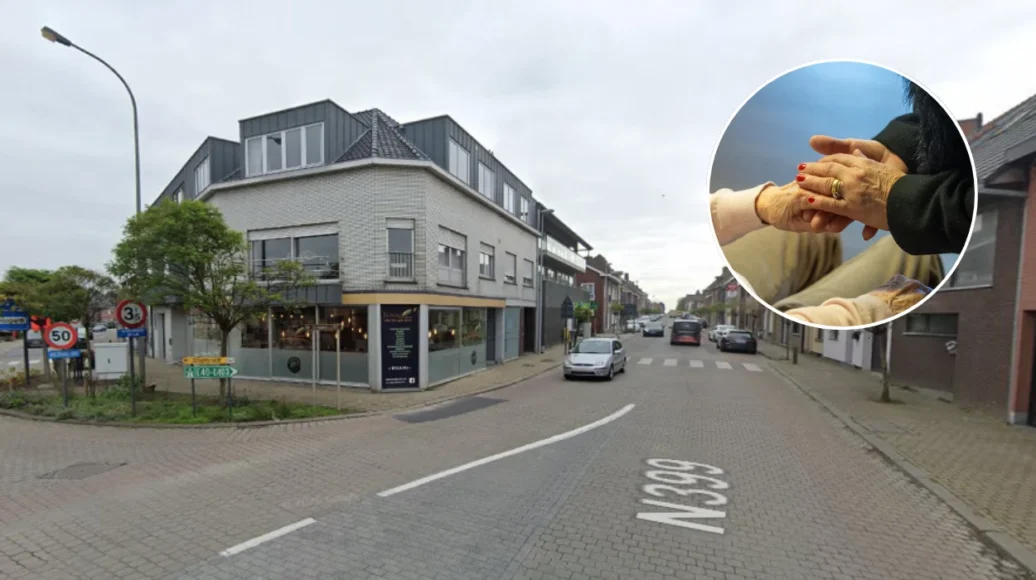
Tielt Initiates Neighborhood Care Drive to Support Elderly Living at Home
Tielt – The city of Tielt in West Flanders has started a new project for the care of neighborhoods that will assist old and dependent individuals to stay at home for as long as possible. In the first week of September, the municipal welfare office will organize face-to-face meetings that will help the needy people get in touch with the volunteers.
Why is Tielt launching a new neighbourhood-care

Dogmatic Controversy with Donatism (4)
The Donatists occasionally referenced the era of St. Cyprian, claiming the Church was pure in his time. Augustine discusses how, despite St. Cyprian’s severe judgment of the wicked, he maintained ecclesiastical communion with them, sharing the Lord’s Bread and Cup with unworthy individuals, including bishops. If the Church had perishe

Présidentielle : les 8 temps forts des candidats devant le Medef
Simultanément, Le Figaro a annoncé qu
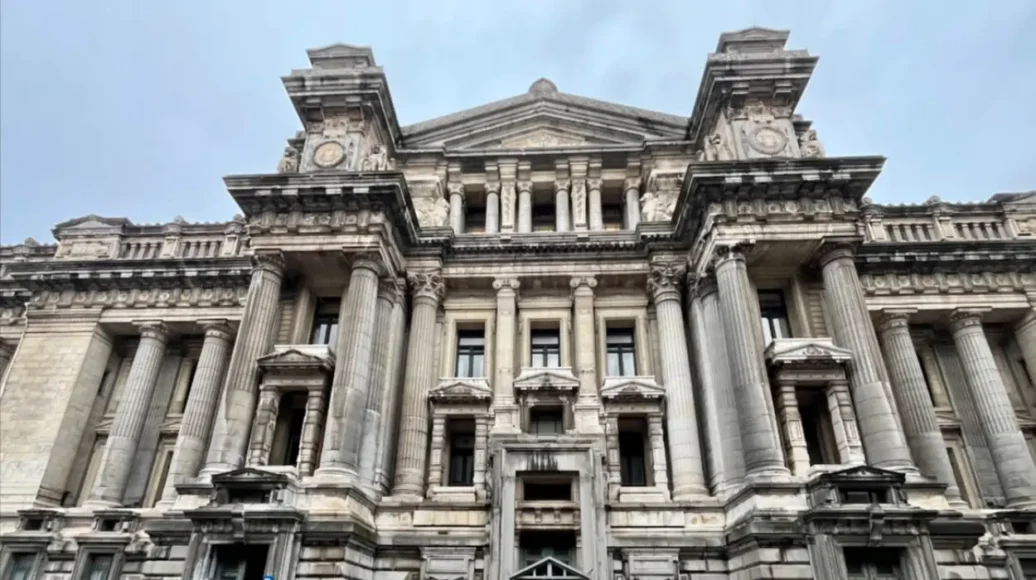
Dutch National Receives Suspended Sentence in Belgium for Domestic Violence
Bilzen (Eurotoday Newspaper) – A Belgian court sentenced a 24-year-old Dutch man from Bilzen to suspended imprisonment on Thursday because of “intimate terrorism” as prosecutors stated, when the man’s girlfriend testified that she was physically abused with her baby in her arms, who she had to let down to be hit herself. In Tongeren criminal court he received 20 months of suspended jail time, a

Why Snowplows Spread Salt in 40-Degree Heat
Salt on Dutch Highways in Summer
Using snowplows to spread salt on highways in the summer might appear bizarre but is a planned maintenance protocol in the Netherlands. When temperatures rise above 40°C, the Dutch infrastructure agency employs these measures to safeguard the pavement.
Thermal Ove

Dendermonde Cuts Katuit Giant Procession Short Due to Thunderstorms
Dendermonde (Eurotoday Newspaper) – The annual Katuit Giant Procession in Dendermonde, East Flanders, took to the streets on Thursday evening on a visibly altered route after the city’s safety cell moved to protect participants and spectators from an approaching band of severe thunderstorms.
There were forecasts made by the forecasters from the Royal Meteorological Institute of Belgium (KMI) wh
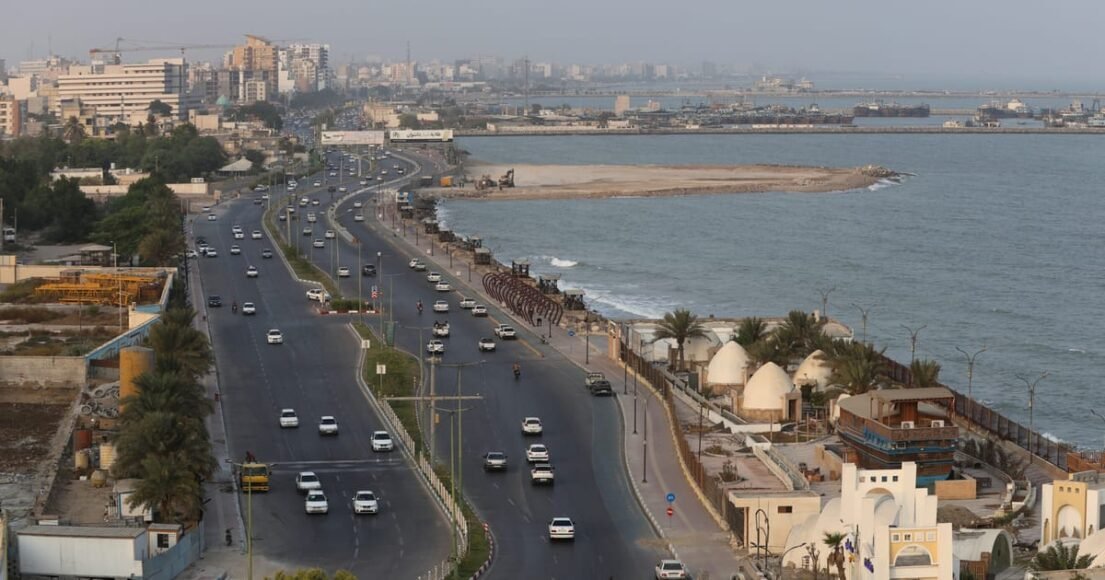
Tripolis will die Energielücke in Europa füllen, sagt Libyens Ölminister
Diesen Monat griffen Drohnen ein Kraftwerk und eine wichtige Raffinerie in Zawiya nahe Tripolis an, dem Sitz der inter
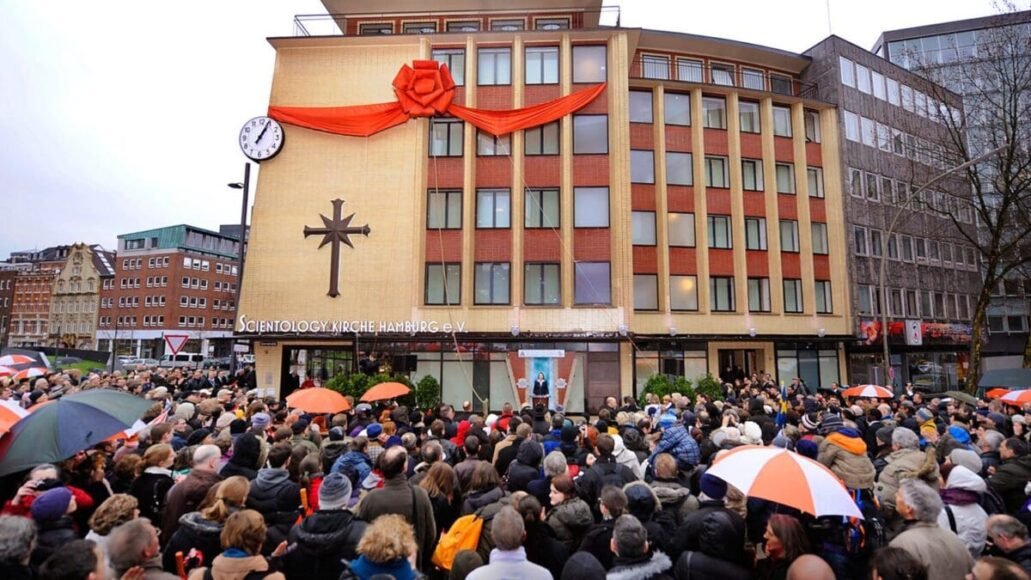
Hamburg Event for World Humanitarian Day Celebrates Everyday Heroes and Helpers
KINGNEWSWIRE // PRESS RELEASE // Church of Scientology Hamburg honours three individuals for their dedication to humanitarian efforts, showcasing the practical tools utilized by Scientology Volunteer Ministers in communities and emergencies worldwide
HAMBURG, Germany, 27 August 2026 — While humanitarian efforts are commonly linked to large-scale emergencies and international aid, an event at the
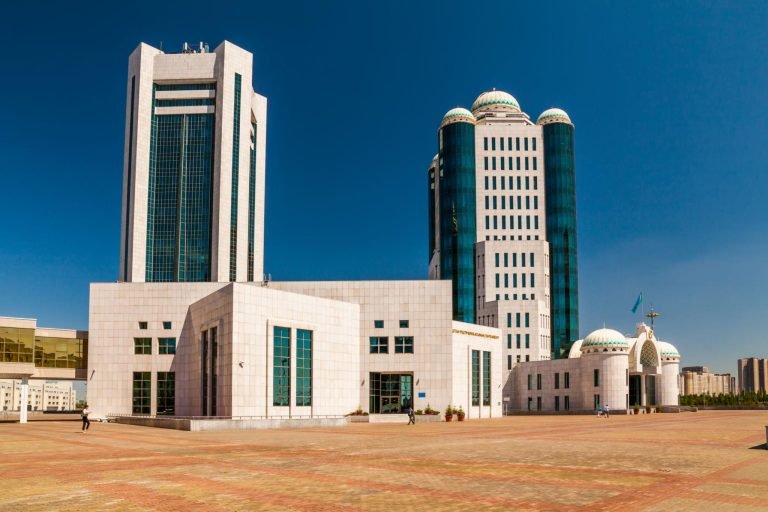
Kazakhstan’s Kurultai: Europe’s New Parliamentary Partner
Voter turnout reached 74.08 per cent. Adilet secured 71.17 per cent of the vote, while four other parties passed the five percent threshold and gained parliamentary representation.
Adilet’s decisive ma
Leave a Reply