



Somalia Faces Growing Food Crisis Amid Drought, Conflict, and Inflation
Rising Hunger Levels
New food security assessments reveal that 4.4 million Somalis—nearly a quarter of the population—could face crisis levels of food insecurity (IPC Phase 3 or higher) between April and June 2025. This marks a sharp increase from 3.4 million people currently experiencing acute hunger.
“Worsening drought, unpredictable rainfall, and persistent conflict are devastating livelihoods, pushing families deeper into crisis,” stated Etienne Peterschmitt, head of the UN Food and Agriculture Organization (FAO) in Somalia.
The most vulnerable groups include:
– Internally displaced persons (IDPs)
– Pastoralist families with reduced livestock
– Farming households that have exhausted their food supplies
—
Climate Disasters Intensify Food Insecurity
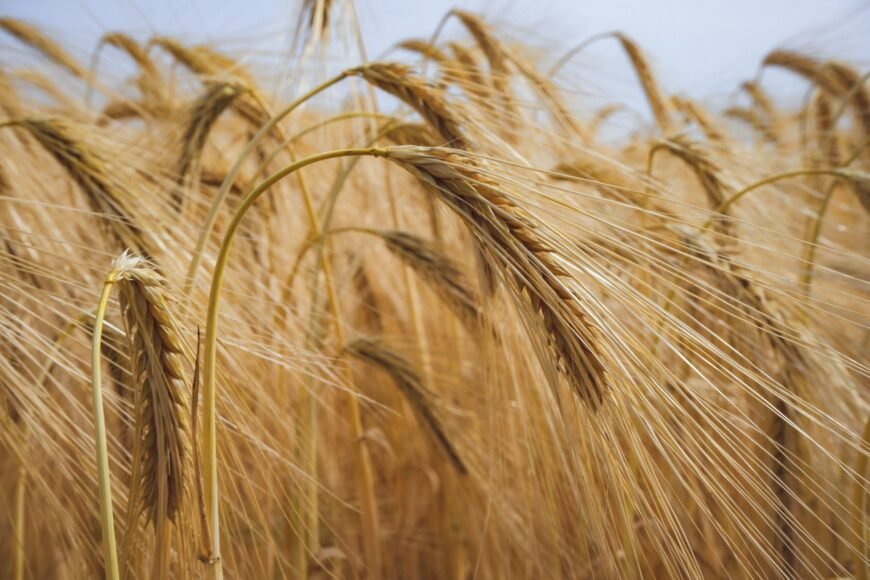
Somalia has experienced consecutive climate shocks, with below-average rainfall in late 2024 leading to reduced crop yields, depleted water sources, and livestock losses. Additionally, erratic rainfall and river flooding in key agricultural regions such as Hiraan, Middle Shabelle, and Middle Juba have caused further crop destruction.
As a result, food prices remain high, worsening hunger for millions already struggling with poverty and displacement.
According to a recent IPC report, an alarming 1.7 million children under five are expected to suffer from acute malnutrition in 2025, including 466,000 cases of severe acute malnutrition—a 9% increase from last year. Almost two-thirds of these cases are concentrated in southern Somalia, where food insecurity is most severe.
—
Children at Greatest Risk
Children are among the hardest hit, facing severe malnutrition and increased vulnerability to life-threatening diseases.
“Past climate crises have shown that children suffer the most, with malnutrition and disease posing serious threats to their survival and long-term development,” warned Nisar Syed, Officer-in-Charge for UNICEF Somalia.
He stressed the urgent need for preventative measures, advocating for a multi-sectoral approach that combines immediate humanitarian aid with long-term investments in resilience and healthcare.
—
Multiple Challenges Worsening the Crisis
Somalia’s escalating hunger crisis is driven by multiple, overlapping factors:
– The 2024 Deyr rainy season (Oct–Dec) saw below-average rainfall, negatively impacting both agricultural and pastoral communities.
– The upcoming Gu season (April–June) is expected to be drier than normal, raising fears of further crop failures.
– Ongoing conflict continues to displace families, disrupt markets, and hinder access to food and essentials.
“Recurrent climate shocks, prolonged conflicts, disease outbreaks, and widespread poverty have deepened Somalia’s humanitarian crisis,” said Crispen Rukasha, head of OCHA Somalia.
He urged the international community to act swiftly, emphasizing that “relief agencies need urgent funding to address Somalia’s most critical needs at this crucial time”.
—
Urgent Action Needed
Aid organizations warn that, without immediate intervention, the crisis could escalate to catastrophic levels.
Despite efforts to scale up food assistance, nutrition programs, and livelihood support, many programs may be forced to scale down or stop altogether due to “critically low” funding.
The 2025 Somalia Humanitarian Needs and Response Plan, seeking $1.42 billion, is currently only 12.4% funded.
El-Khidir Daloum, Country Director of the World Food Programme (WFP) in Somalia, recalled that famine was narrowly avoided in 2022, thanks to large-scale humanitarian efforts.
“That level of support is needed again—both for immediate relief and long-term solutions. However, funding shortfalls are forcing us to cut assistance at the worst possible time,” he warned, calling for greater global support.









Leave a Reply