


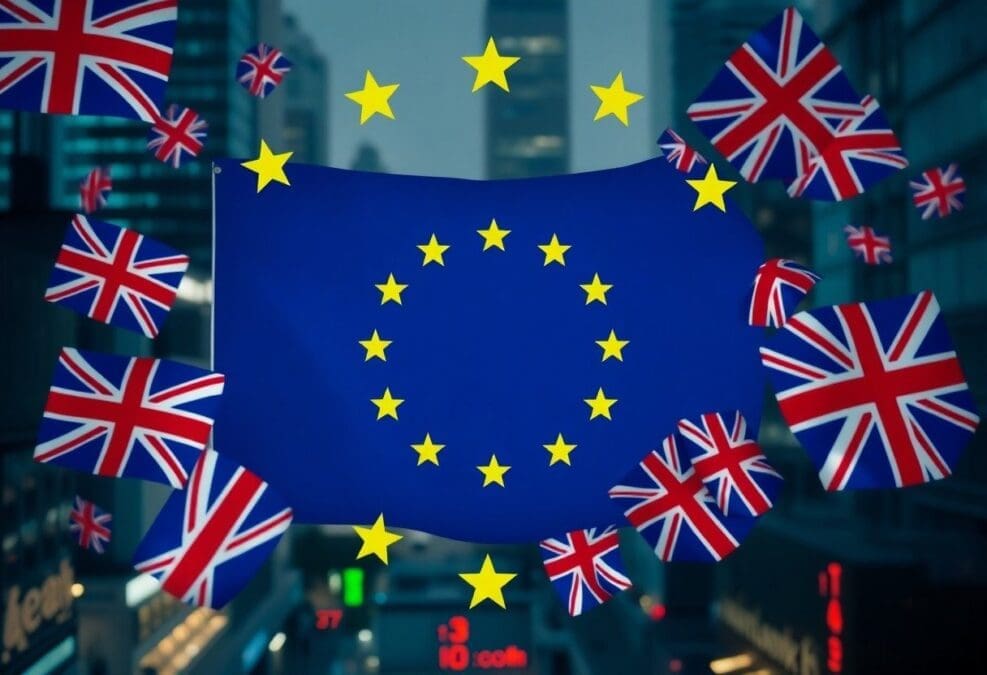
The Economic Impact of Brexit on Europe: Key Insights
Brexit has fundamentally altered various aspects of the European economy, shaping trade, labor markets, and financial relationships. While this transition has created economic disruptions, it has also opened new opportunities for businesses and individuals. To navigate this evolving economic landscape effectively, it is essential to understand the long-term impacts on stability, growth, and policy developments within Europe.
—
Understanding Brexit and Its Significance
The United Kingdom’s departure from the European Union, known as Brexit, has had far-reaching effects on both national and international levels. This decision, which encompasses economic, political, and social implications, continues to reshape relations between the UK and the EU member states. Understanding the key events and developments of Brexit provides valuable insight into its broader consequences.
What is Brexit?
Brexit refers to the process of the UK leaving the European Union following a referendum held on June 23, 2016. The vote resulted in 51.9% of the electorate favoring departure, marking a significant shift in the UK’s policies and its engagement with other EU countries. The official exit occurred on January 31, 2020, and was followed by the implementation of the Trade and Cooperation Agreement in December 2020, which set the framework for future UK-EU relations.
Key Milestones in Brexit’s Timeline
Understanding the chronology of Brexit helps in assessing its economic and political impact:
– June 23, 2016: UK holds a referendum, voting to leave the EU.
– March 29, 2017: Article 50 is invoked, triggering formal negotiations.
– January 31, 2020: The UK officially exits the EU, entering a transition period.
– December 24, 2020: The UK and EU finalize the Trade and Cooperation Agreement.
– January 1, 2021: New trade rules take effect, altering trade flows and regulations.
—
Impact on the UK’s Economy
Brexit has introduced significant changes to the UK economy, affecting trade, investment, and labor markets. These shifts present both challenges and opportunities, influencing business operations and consumer behavior.
Trade and Market Adjustments
With Brexit, the UK has sought new trade agreements globally, altering its long-standing economic ties with the EU. The introduction of new tariffs and border regulations has increased costs and disrupted supply chains. Businesses trading with the EU must now navigate additional bureaucratic hurdles, leading to adjustments in pricing, logistics, and market expansion strategies.
Currency and Inflation Trends
Following the 2016 referendum, the British pound experienced a sharp decline, increasing the cost of imports. This depreciation contributed to rising inflation rates, reducing consumer purchasing power. Additionally, changes in monetary policy, such as potential interest rate shifts by the Bank of England, could influence borrowing costs and economic growth in the UK.
—
Brexit’s Effects on the European Union
The EU has also been affected by Brexit, particularly in trade relations, economic policies, and political dynamics. These adjustments have prompted discussions on economic sovereignty and regional integration efforts.
Trade and Economic Adjustments
Brexit has led to significant changes in trade dynamics between the UK and EU member states. Industries such as finance and agriculture have faced new tariffs and regulatory measures, impacting market access and competitiveness. To mitigate risks, businesses within the EU are exploring alternative trading partners and diversifying their supply chains.
Regulatory and Political Challenges
Brexit has influenced political discourse within the EU, with concerns over nationalism and economic sovereignty gaining traction. EU leaders are working to maintain cohesion while addressing the regulatory complexities arising from the UK’s departure. This includes revising labor laws, environmental policies, and trade agreements to adapt to the evolving economic landscape.
—
Sector-Specific Implications
Various industries have experienced distinct challenges and opportunities due to Brexit. The manufacturing and financial sectors, in particular, have undergone significant changes in operations and regulations.
Manufacturing and Supply Chain Disruptions
Manufacturers in the UK and EU have faced delays and increased costs due to new customs checks and tariffs. Industries that rely on just-in-time supply chains, such as automotive and electronics manufacturing, have been particularly affected. Additionally, restrictions on labor mobility have created workforce shortages, increasing wages and operational costs.
Challenges in the Financial Services Sector
Financial markets have seen structural changes post-Brexit, with UK firms losing passporting rights that previously allowed them to operate seamlessly across the EU. Many financial institutions have relocated parts of their operations to EU financial hubs such as Frankfurt and Paris. However, this shift has also created opportunities for firms that can adapt to new regulatory requirements, driving innovation within the sector.
—








Leave a Reply