



Yemen’s Escalating Conflict Brings Humanitarian Crisis and Calls for Peace
The United Nations Special Envoy for Yemen, Hans Grundberg, has voiced grave concerns over the rising violence in Yemen, particularly the escalation driven by Houthi forces (also known as Ansar Allah). In actions linked to their support for Hamas operations in Gaza, the Houthis began targeting international vessels in the Red Sea last year. These attacks have provoked retaliatory strikes from several nations, including the United States, United Kingdom, and Israel.
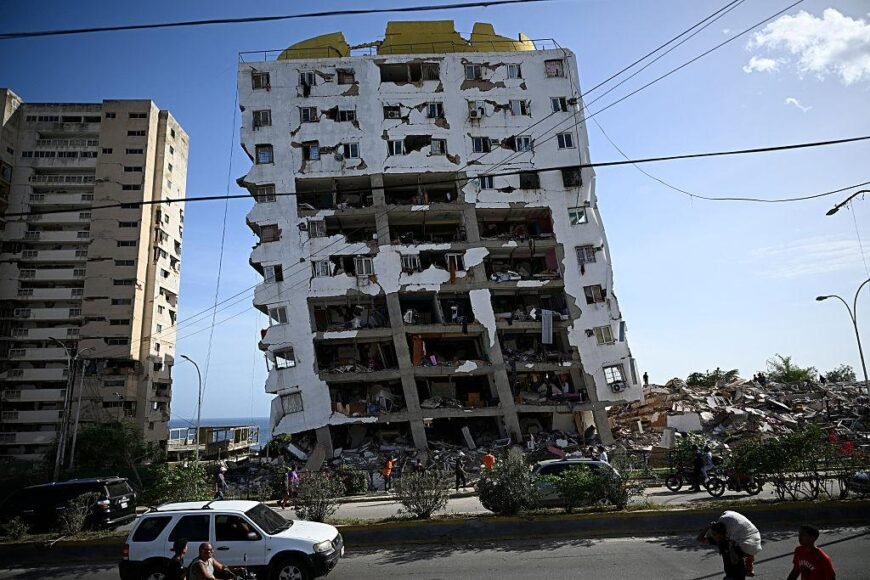
These retaliatory actions, along with assaults on Yemen’s Red Sea ports and Sana’a International Airport, have wreaked havoc on civilian infrastructure and disrupted critical humanitarian aid operations over the past months.
Severe Damage to Humanitarian Infrastructure
UN Emergency Relief Coordinator Joyce Msuya highlighted the dire consequences of the ongoing conflict, emphasizing that essential infrastructure must be protected as its destruction leads to immense suffering for civilians. Damage to key facilities severely hinders the delivery of humanitarian aid in a country already teetering on the brink of collapse due to years of war.
Dire Humanitarian Consequences
The conflict’s ripple effects have led to a devastating humanitarian crisis, with nearly half of Yemen’s population—over 17 million people—unable to secure basic food supplies.
A sharp decline in port operations has exacerbated the crisis. Yemen relies on imports for over two-thirds of its food and 90% of its medical supplies, primarily through the Hudaydah port on the Red Sea. Since the Houthis’ involvement in the Gaza conflict, port shipments have plummeted to just 30% of their full capacity.
The situation has had disproportionately severe impacts on vulnerable groups. Outbreaks of cholera and widespread malnutrition are taking a heavy toll on women, children, and marginalized communities, compounding an already overwhelming crisis.
Pathway to Peace
UN officials are making urgent appeals for a sustainable political solution. “Regional stability requires, in part, achieving peace in Yemen,” stated Grundberg, stressing the importance of a nationwide ceasefire and unified commitments to address Yemen’s economic challenges. These would include measures like unifying the central bank and resuming oil exports, which have been halted due to the conflict.
To promote peace, Grundberg’s office has initiated a series of political dialogues that emphasize the inclusion of women and young people in building an inclusive vision for Yemen’s future. These dialogues are viewed as a critical step toward launching a broader political process.
He also called for the immediate release of those arbitrarily detained, noting the profound personal and societal impacts of such injustices.
Calls for Immediate Action
Emergency Relief Coordinator Joyce Msuya urged the UN Security Council to prioritize adherence to international humanitarian law, the protection of critical infrastructure, and the full funding of humanitarian operations. While expressing cautious optimism, she cited “modest but sustained progress” in improving humanitarian access, including the first breakthrough in frontline crossings in the contested southern city of Ta’iz since 2016.
Grundberg echoed the importance of unity among Security Council members, stating, “The unity of this Council and its consistent messaging to the parties on the importance of a negotiated settlement will be pivotal in the months ahead.”
Toward a Lasting Solution
Both UN officials stressed that a comprehensive political resolution remains the most viable solution to end the suffering of the Yemeni people. Without sustained political dialogue and a genuine commitment to peace, Yemen’s humanitarian crisis is likely to worsen.
As the conflict drags on, the stakes are higher than ever—not just for Yemen’s residents but for stability across the broader region. The world is watching closely as efforts to negotiate peace continue amid an increasingly dire humanitarian landscape.









Leave a Reply