



Brussels – The EU ETS saw a 16.5% emission decrease in 2023, supporting climate goals, with €43.6 billion funding climate action.
The European Commission has assumed the Carbon Market Report, which analyses and presents the functioning of the EU Emissions Trading System (EU ETS) in 2023 and the first half of 2024.
How has renewable energy impacted the EU emissions trading system?
As reported by the EU Commission, in 2023 the EU ETS was characterised by a historic 16.5% decrease in emissions from installations – driven by the power sector. Renewable electricity production grew substantially (primarily wind and solar), and the trend of gas replacing coal in power generation continued. With this development, ETS emissions from installations are about 47.6% below 2005 levels and the ETS is well on track to achieve the 2030 target of -62%.
Moreover, in the latest assessment of the European Securities and Markets Authority (ESMA), the EU carbon market remained steady in 2023 and continued to operate in line with market fundamentals.
Further, EU ETS revenues remain an essential source of funding for the climate transition. According to the 2024 EU Climate Action Progress Report, €43.6 billion was extended in 2023 and primarily distributed to national budgets of the Member States to tackle climate change, as well as to the Innovation Fund, the Modernisation Fund and the Resilience and Recovery Facility for the REPowerEU plan.
Finally, the EU Commission also communicates on the volumes of allowances auctioned for the REPowerEU plan to assist tackle climate change, advance the clean energy transition and address energy poverty.
What is the significance of EU ETS?
Founded in 2005, the EU ETS operates in trading phases. The system is now in its fourth trading stage (2021-2030). The legislative framework of the EU ETS is spelt out in the ETS Directive. Over the years, the Directive has experienced several revisions to align the system with the overarching EU climate marks. The ETS Directive for the fourth trading phase was first changed in 2018, in line with the EU’s 2030 climate and energy framework, founded in 2014. With the launch of the European Green Deal and more enterprising climate targets under the blank” rel=”noopener”>European Climate Law, the Directive was revised further in 2023.
Comments
3 responses to “Renewable Energy Drives EU Climate Goals Forward in 2023”
-
Ah, the EU’s grand plan to harness renewable energy—because who doesn’t love paying twice as much for their energy while saving the planet, right? It’s like wearing a stylish beret while cycling through the rain; utterly impractical but oh-so chic in the quest for climate glory. At this rate, we’ll all be living off biodiesel and organic kale smoothies by 2025, and honestly, I can’t wait!
-
Ah, the EU’s renewable energy drive—because nothing says “we care about the planet” quite like a wind turbine flinging itself into oblivion while we sip our lattes. In 2023, it seems we’re finally trading in our diesel guzzlers for solar panels, proving that even the most stubborn climate skeptic can be swayed by the allure of a good government subsidy. Cheers to saving the world, one overly complex regulation at a time!
-
Ah, the EU’s renewable energy initiative in 2023 – because who wouldn’t want to power their morning espresso machine with a sprinkle of wind and a dash of sunshine? It’s like they finally figured out that fossil fuels aren’t exactly the best party guests for our planet’s climate soirée. Bravo, Europe, for turning saving the world into a trendy new hobby!

Last News

Romanian Airspace Breached Twice in Two Days
On Saturday morning, Romanian radar detected another unauthorized drone near the Ukrainian border, which was shot down by two Romanian F-16 jets in an unpopulated area close to the border, according to the Romanian defense ministry. Romania had already shot down another drone on Friday.

Russian Missile Strike at Defense Exhibition in Ukraine Leaves 10 Dead
Kyiv Region, Ukraine, July 24 Eurotoday — Defence exhibition attack claimed the lives of at least 10 people after a Russian ballistic missile struck a defence industry event in Ukraine’s Kyiv region on Friday. Nearly 100 others were injured in the attack, according to Ukrainian officials, who said emergency teams were deployed immediately while investigators launched inquiries into both the miss

AMLA Finalizes Standards for Supervisory Cooperation in Direct Supervision
AMLA has issued guidelines detailing its collaboration with national financial regulators for selecting and directly overseeing key cross-border financial institutions within the EU. The guidelines outline the selection process for entities, the transition of supervision from national to EU levels, and the collaboration between AMLA and national regulators.
Unified EU Supervision
Starting in 20
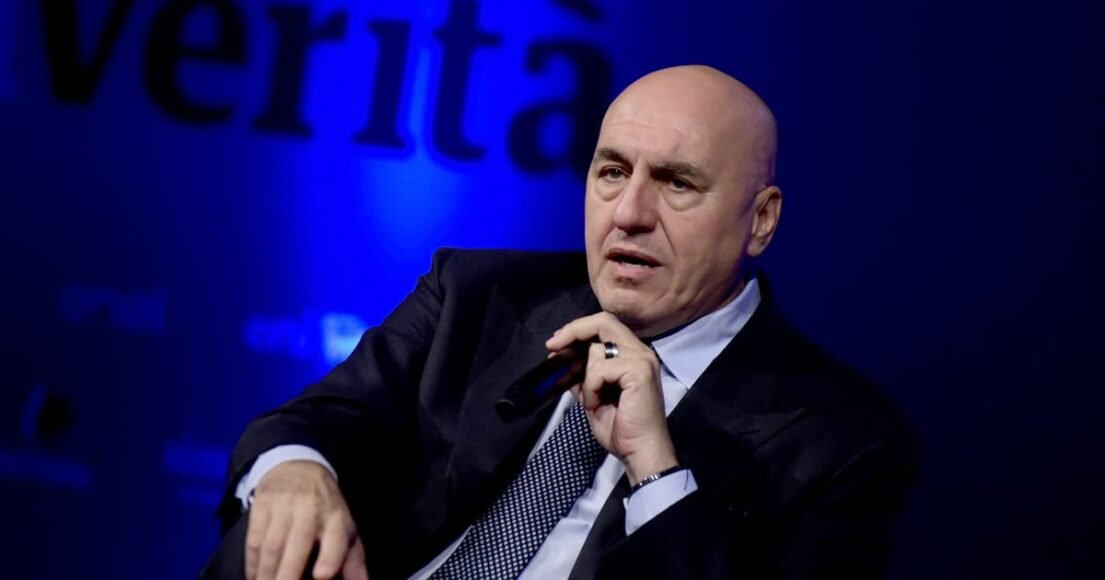
Italy’s Defense Minister Offers Adviser Position to Ousted Ukrainian Defense Chief
Crosetto highly commended Fedorov, who is acknowledged for initiating a technology transformation in Ukraine’s military, though he has also experienced conflicts with top generals.
“Fedorov
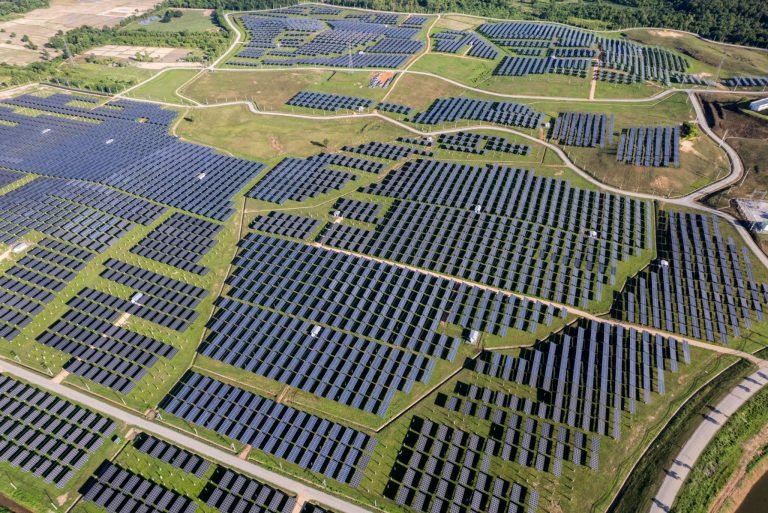
BP Nears Deal to Sell Solar Business to Kuwait-Backed Consortium
London, 2026 — BP solar business sale discussions are nearing completion after the Financial Times reported that the energy company is close to selling its solar business to a Kuwait-backed consortium. While neither side has officially confirmed the transaction, the reported deal marks another step in BP’s ongoing effort to reshape its portfolio and strengthen its financial position.
Main Develo
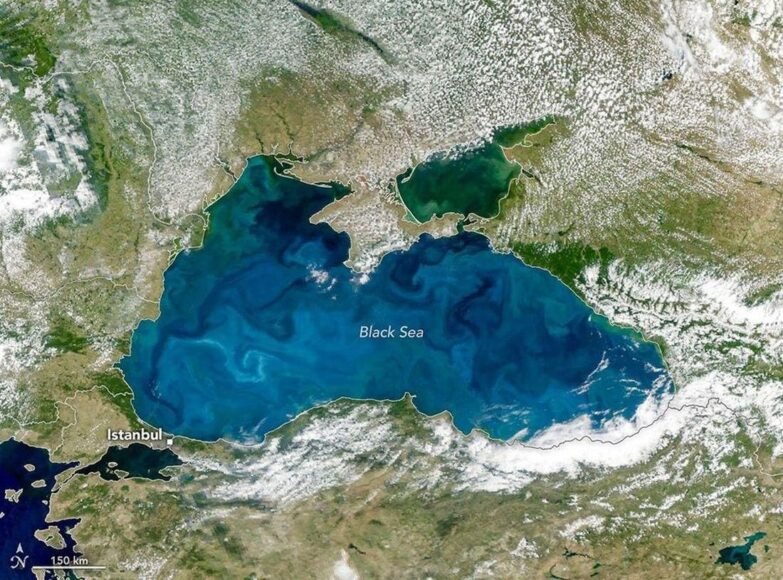
NASA Unveils Why the Black Sea Appears Turquoise from Space
On June 22, PACE’s Ocean Color Instrument (OCI) recorded this seasonal event, revealing milky-blue and turquoise areas on the Black Sea’s surface. According to NASA Earth Observatory,

ICC Member States Dismiss Chief Prosecutor Over Sexual Misconduct Allegations
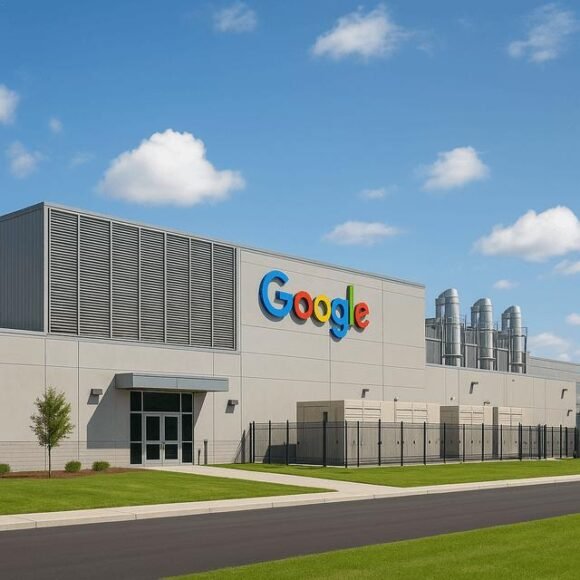
Verizon Secures Over $1 Billion Google Deal to Enhance AI Infrastructure
New York, July 24 Eurotoday Newspaper — Telecom infrastructure news gained fresh attention after Verizon announced a contract worth more than $1 billion with Google to provide dark fiber connectivity for the technology company’s expanding artificial intelligence and cloud data center network. The agreement reflects increasing demand for high-capacity digital infrastructure as AI investment accel

Copenhagen Mandela Day Brings Diplomats and Activists Together for Human Rights
Approximately 50 participants, reflecting Mandela’s diverse legacy, attended. The pr

Leave a Reply