



Three decades after a pivotal summit in Copenhagen, leaders in Doha highlighted that inequality remains high, climate shocks are worsening, and nearly two billion people still lack social protection, jeopardizing the 2030 goals.
The Doha Declaration renews the 1995 Copenhagen commitments, emphasizing:
- Treating poverty eradication, decent work, and social inclusion as interconnected priorities.
- Expanding universal, gender-sensitive social protection and equitable access to health and education.
- Advancing secure, inclusive digital transformation while combating disinformation and hate speech.
- Ensuring marginalized groups significantly shape policies affecting them.
Secretary-General António Guterres described the declaration as a “boost for development,” urging a “people’s plan” to reduce inequality, create decent work, reform global finance, and rebuild unity.
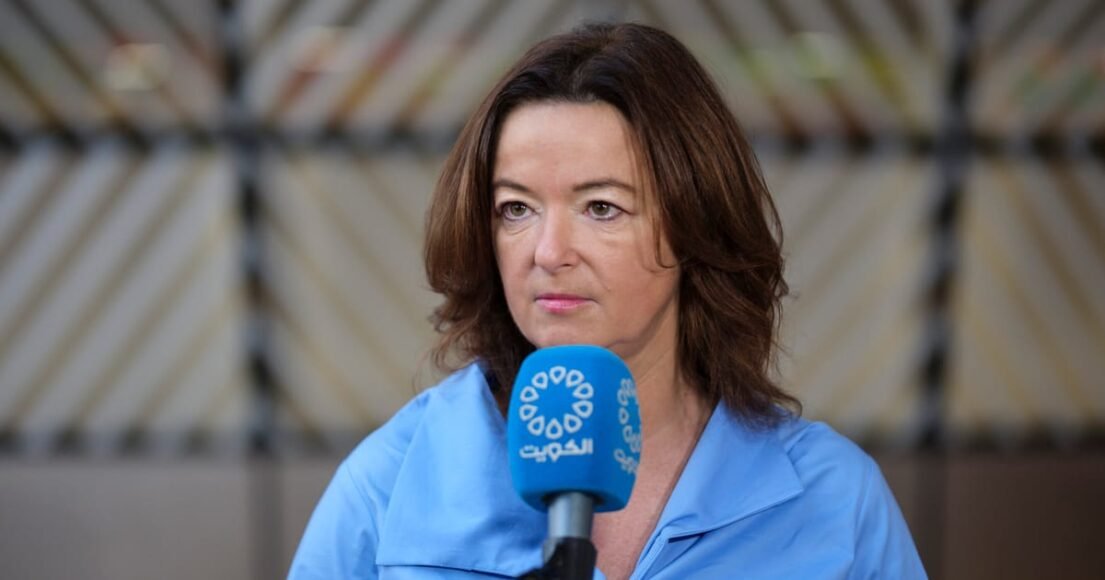
Annalena Baerbock, President of the General Assembly, urged leaders to act decisively, noting economic growth alone hasn’t ended poverty. She cited climate change as the biggest barrier to social development and called for debt relief, fairer trade, wider access to technology, and women’s full participation.
The Emir of Qatar, Sheikh Tamim bin Hamad Al Thani, emphasized social development as essential, highlighting national efforts and international support for poverty reduction, peace, and stability.
Lok Bahadur Thapa, President of ECOSOC, noted over 800 million people live in extreme poverty, with minor shocks causing further hardships.
The opening panel, chaired by Montenegrin and Kyrgyz leaders and moderated by ILO Managing Director Gilbert Houngbo, focused on turning commitments into action.
Juan Somavia praised the declaration but stressed the need for implementation.
Netherlands Minister Mariëlle Paul emphasized decent jobs to combat poverty.
ITU’s Luc de C advocated fair taxation and global tax cooperation for social development.
Amitabh Behar of Oxfam called for taxing the wealthy to reinvest in public services.
Esther Nagtey, representing disabled youth, emphasized meaningful participation, declaring, “We are the changemakers of today.”
The Doha Declaration sets a common plan; achieving it depends on funding, political will, and coordinated actions to transform promises into policies impacting people.
Stay tuned: Wednesday features plenary statements, a civil society forum, and a roundtable reviewing progress and inspiring action.
Editor’s note: This story is based on reports from the United Nations Meetings Coverage Section.




Leave a Reply