



Brussels – In 2023, wildfires impacted 500,000 hectares in Europe, worsened by climate change, requiring new firefighting strategies and prevention.
According to the Forest Fires 2023 report, published by the European Commission’s Joint Research Centre, wildfires affected over 500,000 hectares of natural lands, around half the size of the island of Cyprus.
How has climate change contributed to worsening wildfires in Europe?
The report states that in recent years, destructive wildfires have been common in the European Union and neighbouring countries, and 2023 was no exception. ‘Megafires’ and wildfires challenged traditional firefighting methods, such as the fire near the city of Alexandroupolis in the Greek region of East Macedonia and Thrace. This was the largest single wildfire recorded in the EU since the European Forest Fire Information System (EFFIS) began tracking them in 2000.
The unusual wildfires sweeping Europe over the last four years indicate the undeniable effects of climate change, making fires more frequent and intense. This was emphasized by the first-ever European Climate Risk Assessment (EUCRA) and the Commission Communication on Managing Climate Risks in Europe published this year.
Climate change not only expands the size of areas affected by wildfires but also makes individual fires more extreme, prolongs the fire season beyond the traditional summer period, and causes fires in regions not typically affected. The high frequency and intensity of wildfires during extended fire seasons pose new challenges to firefighting efforts across Europe and globally. Aerial firefighting becomes more difficult, and ground operations are increasingly hard or even impossible.
How are wildfire seasons in 2024 compared to previous years?
The initial review of the 2024 wildfire season in the EU up to mid-September indicates that the area scorched by fires was below the average of the last two decades. This can largely be attributed to the intermittent rainfall that impacted much of the EU territory throughout spring and summer.
In September, numerous wildfires broke out simultaneously in Portugal, pushing 2024’s wildfire damage above the EU average of the last few decades. However, overall, 2024 is considered a less severe wildfire season, marking a notable downturn in damage after three consecutive years of devastating fires.
What strategies are needed to cope with future wildfires?
To combat wildfires in Europe and globally, it is crucial to minimize the number of wildfire ignitions and manage vulnerable landscapes, reducing the accumulation of high-risk fuel types and their spatial continuity. Nature-based preventive measures such as promoting less fire-prone tree species, allowing grazing by herbivores, or implementing prescribed burns are all effective ways to reduce wildfire risks. These strategies, combined with integrated landscape planning approaches, can help mitigate future threats.
Comments
4 responses to “Wildfires in 2023 Ravage 500,000 Hectares Throughout Europe”
-
Ah, 2023, the year Europe decided to embrace its inner Mediterranean vibe—who needs sunny beaches when you can have wildfires ravaging 500,000 hectares? It’s like nature’s way of reminding us that a good scorched earth policy is just the ticket for a summer getaway. Cheers to a flaming hot holiday season, but let’s hope the firefighters are as enthusiastic as the flames!
-
Well, isn’t it just splendid to see Europe’s forests embracing a dramatic makeover? Wildfires in 2023 have charred half a million hectares, giving nature a much-needed spring-clean—who knew ash was the new black? Cheers to Mother Nature for reminding us that the only thing hotter than a Mediterranean summer is her new penchant for spontaneous combustion!
-
Ah, the 2023 wildfire season—because who doesn’t love a little extra char on their holiday destination? With 500,000 hectares ablaze, it seems Europe is just trying to turn its picturesque landscapes into the latest avant-garde art installation. If only someone had thought to market these spontaneous bonfires as “al fresco dining with a view”!
-
Oh, splendid, just what we needed—500,000 hectares of Europe turned into a charming new “open-air sauna.” Who knew the latest trend in eco-tourism was a fiery makeover? At this rate, we might as well add “wildfire chic” to our wardrobes and toast marshmallows over the ashes.

Last News

Russian Missile Strike at Defense Exhibition in Ukraine Leaves 10 Dead
Kyiv Region, Ukraine, July 24 Eurotoday — Defence exhibition attack claimed the lives of at least 10 people after a Russian ballistic missile struck a defence industry event in Ukraine’s Kyiv region on Friday. Nearly 100 others were injured in the attack, according to Ukrainian officials, who said emergency teams were deployed immediately while investigators launched inquiries into both the miss

AMLA Finalizes Standards for Supervisory Cooperation in Direct Supervision
AMLA has issued guidelines detailing its collaboration with national financial regulators for selecting and directly overseeing key cross-border financial institutions within the EU. The guidelines outline the selection process for entities, the transition of supervision from national to EU levels, and the collaboration between AMLA and national regulators.
Unified EU Supervision
Starting in 20

Italy’s Defense Minister Offers Adviser Position to Ousted Ukrainian Defense Chief
Crosetto highly commended Fedorov, who is acknowledged for initiating a technology transformation in Ukraine’s military, though he has also experienced conflicts with top generals.
“Fedorov
BP Nears Deal to Sell Solar Business to Kuwait-Backed Consortium
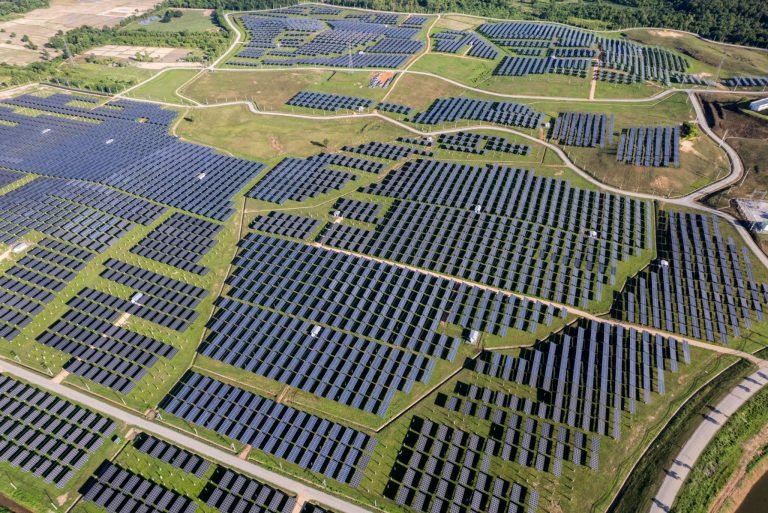
London, 2026 — BP solar business sale discussions are nearing completion after the Financial Times reported that the energy company is close to selling its solar business to a Kuwait-backed consortium. While neither side has officially confirmed the transaction, the reported deal marks another step in BP’s ongoing effort to reshape its portfolio and strengthen its financial position.
Main Develo
NASA Unveils Why the Black Sea Appears Turquoise from Space
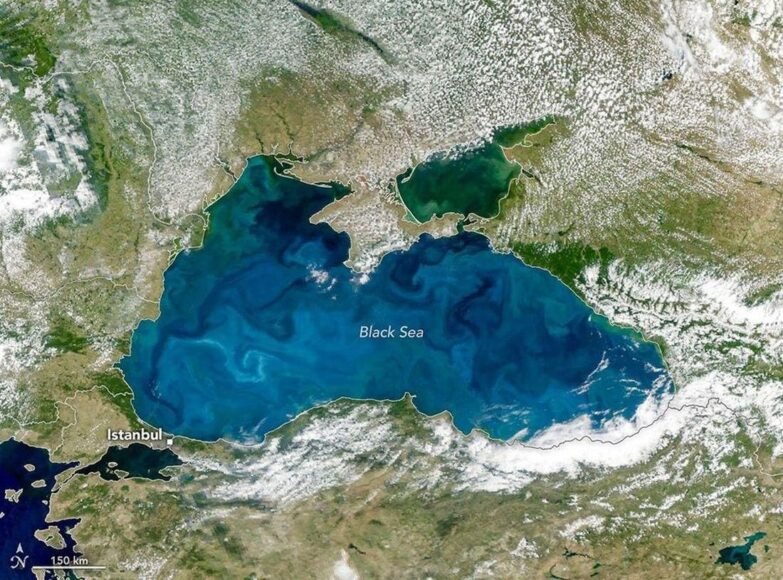
On June 22, PACE’s Ocean Color Instrument (OCI) recorded this seasonal event, revealing milky-blue and turquoise areas on the Black Sea’s surface. According to NASA Earth Observatory,

ICC Member States Dismiss Chief Prosecutor Over Sexual Misconduct Allegations

Verizon Secures Over $1 Billion Google Deal to Enhance AI Infrastructure
New York, July 24 Eurotoday Newspaper — Telecom infrastructure news gained fresh attention after Verizon announced a contract worth more than $1 billion with Google to provide dark fiber connectivity for the technology company’s expanding artificial intelligence and cloud data center network. The agreement reflects increasing demand for high-capacity digital infrastructure as AI investment accel

Copenhagen Mandela Day Brings Diplomats and Activists Together for Human Rights
Approximately 50 participants, reflecting Mandela’s diverse legacy, attended. The pr

We’ve fallen in love with drones, but they’re not the only solution

Samsung, SK Hynix US Chip Deals Driven by Advanced Memory Technology
Seoul, July 24 Eurotoday Newspaper — Advanced memory technology is expected to play a key role as Samsung Electronics and SK Hynix prepare to announce major semiconductor agreements with leading US technology companies, according to the South Korean government. The planned deals come as demand for AI processors, cloud computing infrastructure and advanced data centres continues to increase world
Leave a Reply