


“There is criticism and concerns from member states, but at the leaders’ retreat last month in the Belgian countryside, they asked the Commission to devise solutions on energy,” said an EU official familiar with the talks, granted anonymity to speak candidly, as were others quoted in this piece.
Described as an orientation debate, the meeting was a chance for commissioners to exchange ideas on these topics and propose concrete actions, said the EU official, particularly as the president is expected by the member states to present on energy prices at the next EUCO (European Council). They’re important to member states, so it’s important to the Commission.
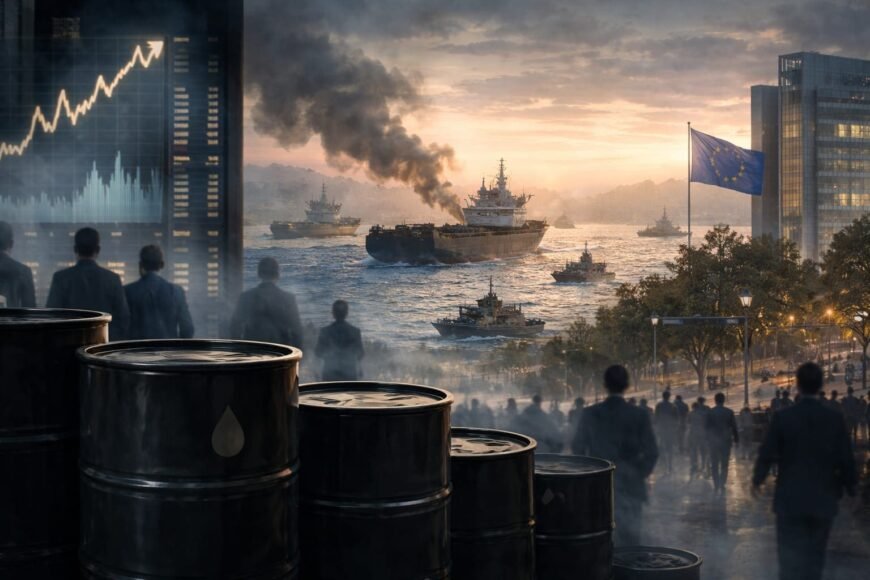
According to an internal note drafted by EU competition chief Teresa Ribera, a Spanish socialist, and Energy Commissioner Dan Jørgensen, a Danish social democrat, “the recent escalation in the Middle East and the disruptions in the Strait of Hormuz have had an immediate effect on global energy prices and market volatility.”
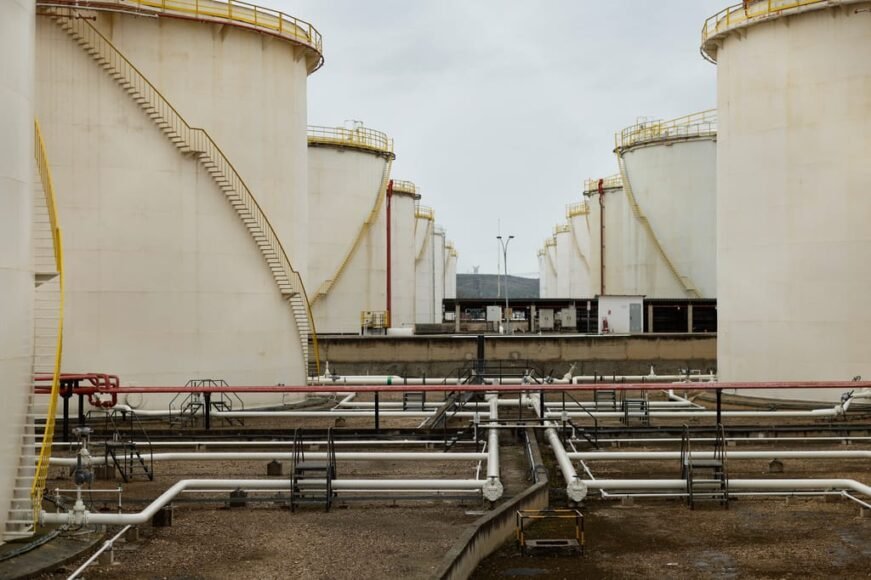
Oil and gas prices have jumped sharply following U.S. and Israeli strikes on Iran. | Oscar Del Pozo/AFP via Getty Images
Yet, the Commission’s strategy remains unchanged despite strikes on Iran sparking supply concerns. The internal note, obtained by POLITICO, focuses on long-standing calls to boost green energy, but also acknowledges that it may not be enough and hints at a “bridge solution” to reduce bills until the benefits from the clean transition are realized.
A second Commission official confirmed that the meeting was convened to focus on improving organization in response to the high energy prices due to the Middle East conflict, but that the response would focus on encouraging national governments to utilize existing EU rules to reduce bills.
A third official, who has worked directly on the proposals, stated that the Commission is confident it has taken concrete actions in response to Russia weaponizing energy supplies, and that it is well-positioned to handle current developments. “We have enhanced security of supply by diversifying our partners and reducing overdependencies on unreliable suppliers like Russia,” they said.



Leave a Reply