


“This system is implemented to reduce CO2 emissions and enable companies to transition to CO2-free production lines. If this is not achievable or the right instrument, we should be open to revising it or considering a postponement,” he stated, receiving applause from industry representatives.
“We should avoid anything that jeopardizes the competitiveness of our industry. I agree with those advocating for more climate action,” he continued, adding that if policies affect industry and jobs negatively, it’s unacceptable. He supports changing the instrument if it proves ineffective.
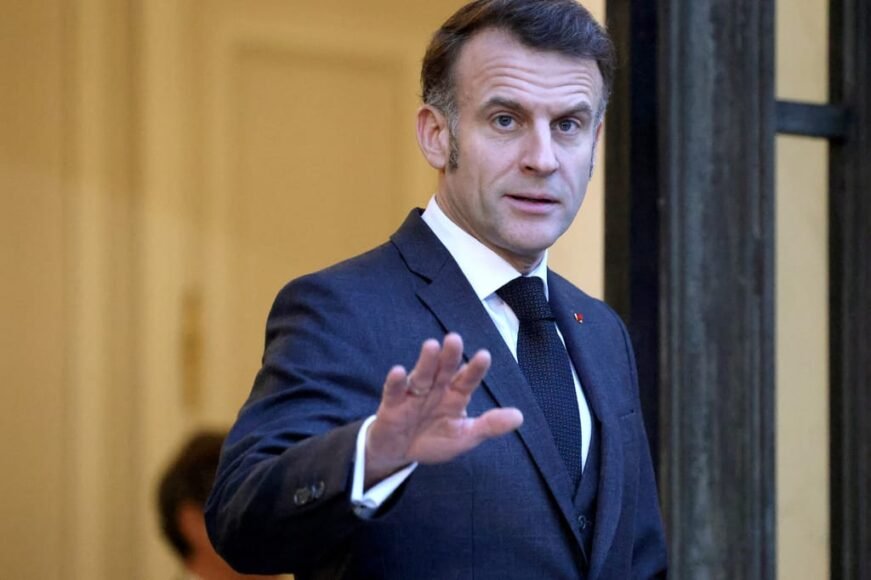
At a separate session, French President Emmanuel Macron warned against dismantling the ETS, stating, “Europe cannot set ambitious climate goals while letting its industrial base vanish. High energy prices combined with carbon costs lead to deindustrialization, not decarbonization.”
ETS Under Pressure
The ETS requires heavy industry, power plants, airlines, and shipping companies to pay a fee—currently around €80—for each ton of CO2 emitted, to encourage investments in clean manufacturing, energy, and transport. Some permits are currently given free to companies as support.
The carbon price is rising progressively as the number of available pollution permits and therefore emissions declines each year. While more countries introduce similar carbon markets, the EU’s price remains the highest globally.
Before the Antwerp event, leaders from Austria and the Czech Republic, along with the CEO of Germany’s BASF and Italy’s Confindustria, called for measures to reduce the ETS price, arguing it disadvantages EU industry competitively.







Leave a Reply