



Brussels – Ukrainian President Volodymyr Zelenskyy addressed the European Parliament, reinforcing his calls for ongoing support from the European Union.
In his speech, Zelenskyy expressed Ukraine’s deep gratitude for the EU’s continued assistance and underscored the need to maintain and expand sanctions against Russia. Marking the significant milestone of 1,000 days since the conflict escalated, he urged European leaders to enhance sanctions against Moscow, particularly focusing on curbing oil exports that fund Russia’s war efforts. “For a thousand days, it has been critically important to stop Russia’s financing of the war through oil revenues,” Zelenskyy stated, highlighting that sanctions remain “vital” to weakening Russia’s operational capabilities.
He further expressed concern over the approaching winter, predicting an increase in Russian strikes on Ukraine’s energy infrastructure, which could lead to widespread power blackouts and further civilian displacements. Pointing to previous assaults that left thousands without heating during freezing temperatures, Zelenskyy called on the EU to strengthen its support to counteract the impending humanitarian crises. “Russia’s pressure intensifies every day,” he warned, urging Europe to “do everything in its power to end this war.”
How can Europe secure long-term peace and stability for Ukraine?
MEP blank” rel=”noopener”>Manfred Weber, leader of the European People’s Party (EPP) in the European Parliament, responded with strong backing for Ukraine, advocating for long-term strategies to ensure peace in Europe. He proposed Ukraine’s integration into NATO, arguing that such a move would prevent future Russian aggression. “Russia will not change,” Weber declared, emphasizing that bold actions are necessary for sustained security across Europe. He explained that NATO membership would act as a powerful deterrent to Russia’s territorial ambitions, with the Alliance’s collective defence principle offering a vital shield.
Weber also recommended supplying Ukraine with advanced German Taurus missiles, which would enable precision strikes on Russian military targets. This suggestion aligns with a recent commitment from the United States to provide Ukraine with long-range missiles, a decision Weber said is critical to strengthening Ukraine’s defence posture. “Yes, we stand with Ukraine. And yes, we will win,” he concluded confidently, echoing the sentiment shared by many MEPs.
Comments
5 responses to “Volodymyr Zelenskyy Urges Continued EU Support on 1,000th Day of Conflict”
-
Well, isn’t it just delightful? Volodymyr Zelenskyy is back on the EU’s doorstep, cap in hand, casually reminding everyone that a mere 1,000 days of conflict might warrant a bit of financial support. It’s almost as if he thinks the EU is made of money and not just a lot of bureaucratic meetings over stale biscuits and lukewarm tea. Cheers to diplomacy, eh?
-
Ah, the 1,000th day of conflict—who knew we’d be celebrating such a milestone? Volodymyr Zelenskyy is at it again, charming the EU into keeping the funds flowing like a fine Bordeaux at a French wedding. One can only hope the EU takes a break from their usual tea-and-biscuit debates to lend a proper hand; after all, what’s a little geopolitical strife among friends, right?
-
Ah, the 1,000th day of conflict—just in time for a thrilling sequel! Volodymyr Zelenskyy, ever the optimist, is rallying the EU for more support, perhaps hoping they’ll throw in a few extra euros with their morning croissants. Because nothing says “we’ve got your back” quite like a persistent reminder that the party’s not over yet, is it?
-
Ah, the 1,000th day of conflict—how quaint! Who knew a little tussle could drag on longer than a European summer holiday? Zelenskyy is practically begging for EU support, as if a few more euros could magically turn the tide; perhaps they should just throw in a nice bottle of wine to sweeten the deal!
-
Ah, the 1,000th day of conflict, a milestone worthy of a celebratory toast—or perhaps just a resigned eye-roll. Volodymyr Zelenskyy is back to the EU, cap in hand, reminding them that supporting Ukraine is rather like owning a cat: once you take one in, you’re in for life. But hey, who wouldn’t want to keep shelling out dosh for a front-row seat to global affairs? Cheers to that!

Last News
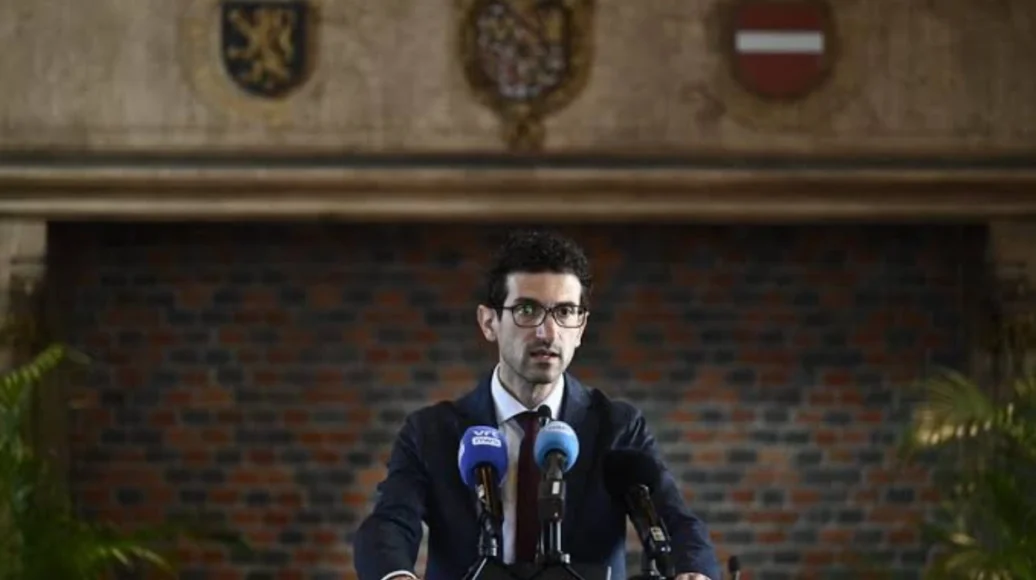
Belgian Jews Condemn Leuven’s Ban on Israeli Club Match as Antisemitic
Leuven (Eurotoday Newspaper) -The Mayor of Leuven, Mohamed Ridouani, has banned the playing of the Europa League game between Union Saint-Gilloise (USG) and Hapoel Be’er Sheva from Israel based on the grounds of safety concerns due to the ongoing war between Israel and Gaza and possible demonstrations. This was revealed at a meeting at Leuven City Council held early September 2026 and is valid w
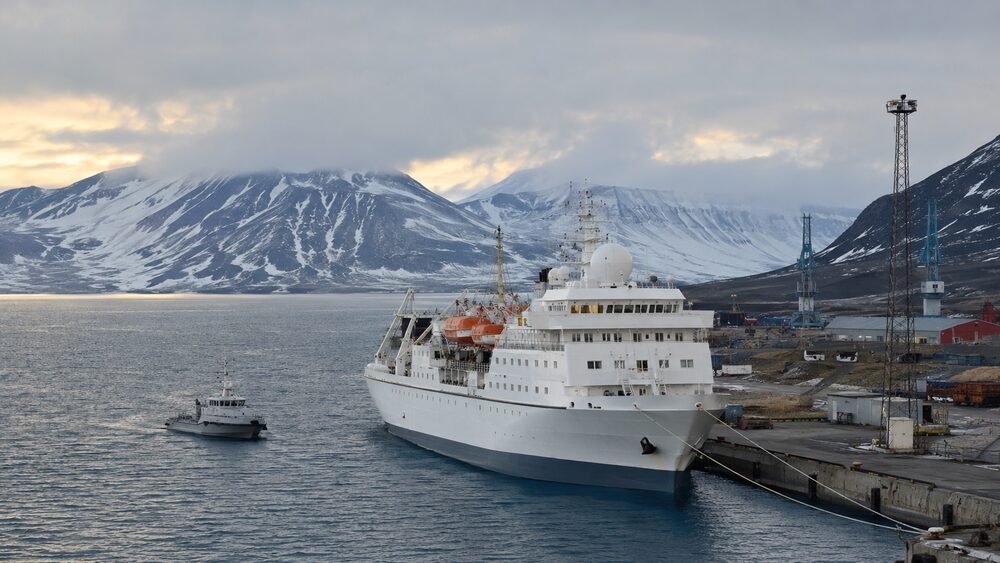
Norway Detains Russian Vessel in Svalbard
The Professor Molchanov was detained
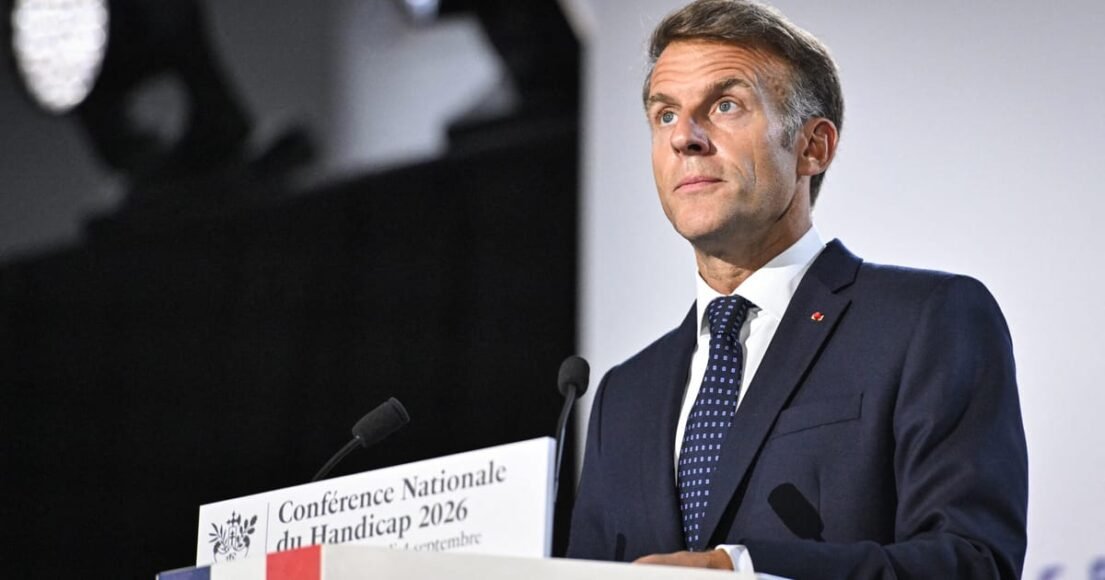
France downplays SpaceX, Blue Origin snub of "worst Macron-organized" summit
“There are American companies participating, and there will be announcements. We do not see a trend of the U.S. turning its back on Europe at this space summit,” stated another Elysée official. Amazon’s satellite business, Amazon Leo, will have o

Aarschot Sushi Restaurant Raises Funds for Nepal Flood Victims
Aarschot (Eurotoday Newspaper) – Sushi Pleintje in Aarschot has launched a fundraiser to support victims of the deadly August 2026 floods in Nepal, hoping to sell at least 100 benefit boxes as local businesses across Europe and beyond mobilize food-based charity drives in response to one of the region’s worst recent disasters.
What is the Sushi Pleintje fundraiser?
In the Flemish municipality of
Volkswagen Greenlights Overhaul Impacting 50,000 Jobs
French government promises €1B for drought-stricken farmers
France will accelerate payments within its “national solidarity” program, intended to compensate for crop losses, increasing the total to €520 million, contingent on the adoption of the nation’s 2027 budget.
An “agricultural recovery fund” of €235 million is proposed
Sint-Niklaas Police Arrest Five After €22,000 Jewelry Theft in Knokke-Heist
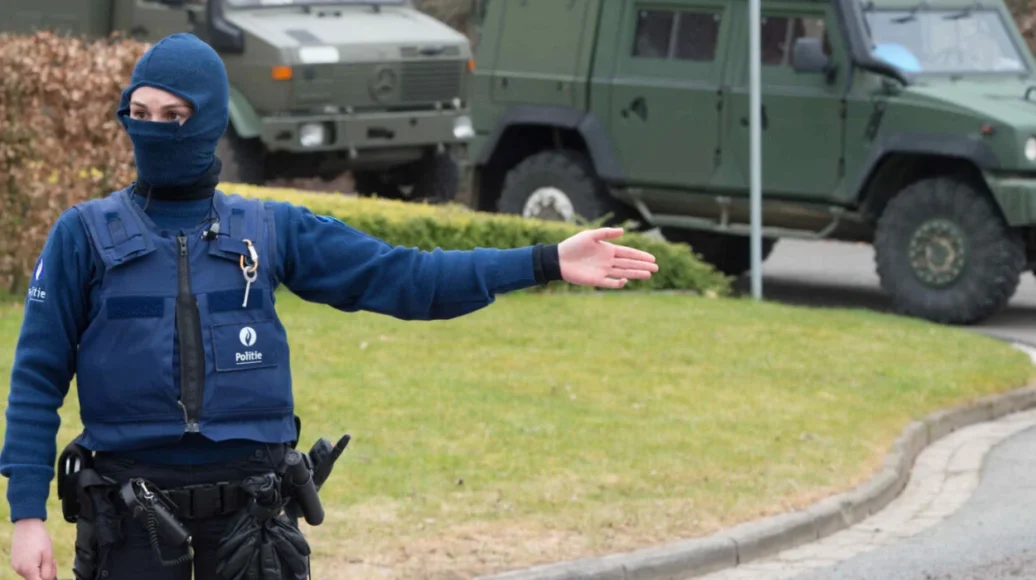
Sint-Niklaas (Brussels Morning Newspaper) – Sint-Niklaas police have arrested five suspects and recovered €22,000 worth of stolen gold jewelry hidden in a car following a brazen midday theft at a Knokke-Heist luxury dealer, with the Sint-Niklaas PROA team leading the rapid intervention
How did the theft unfold at La Mine de Diamant?
The robbery took place on a Wednesday afternoon at La Mine de D
Brussels Gun Violence Highlights Prevention Shortcomings
Top Farage Aides Resign Following Undercover Donations Scandal
Channel 4 News repor
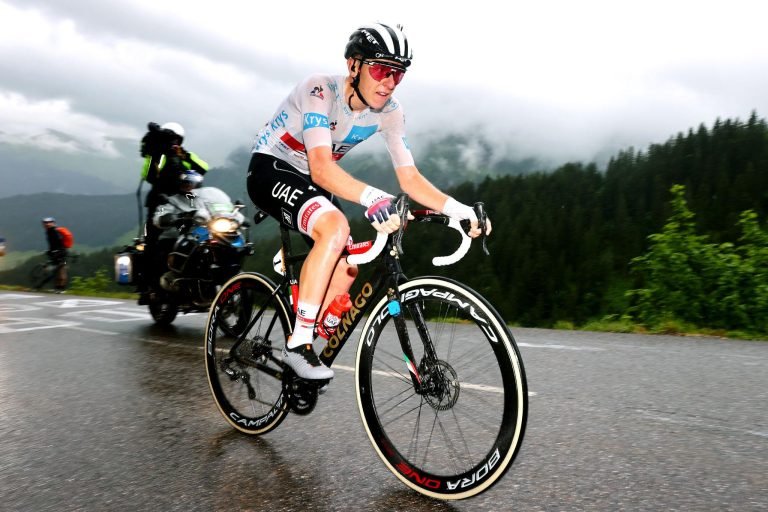
Tadej Pogacar’s World Championships Return in Doubt After Severe Vuelta Crash in Barcelona
Barcelona, Spain, 3 September (Eurotoday Newspaper) – Tadej Pogacar has been discharged from hospital following surgery on his fractured left collarbone, but serious doubts remain over whether he will be fit to defend his world road race title later this month. The latest Tadej Pogacar recovery assessment from Slovenia’s medical team suggests competing at the World Championships in Montreal on 2
Leave a Reply