


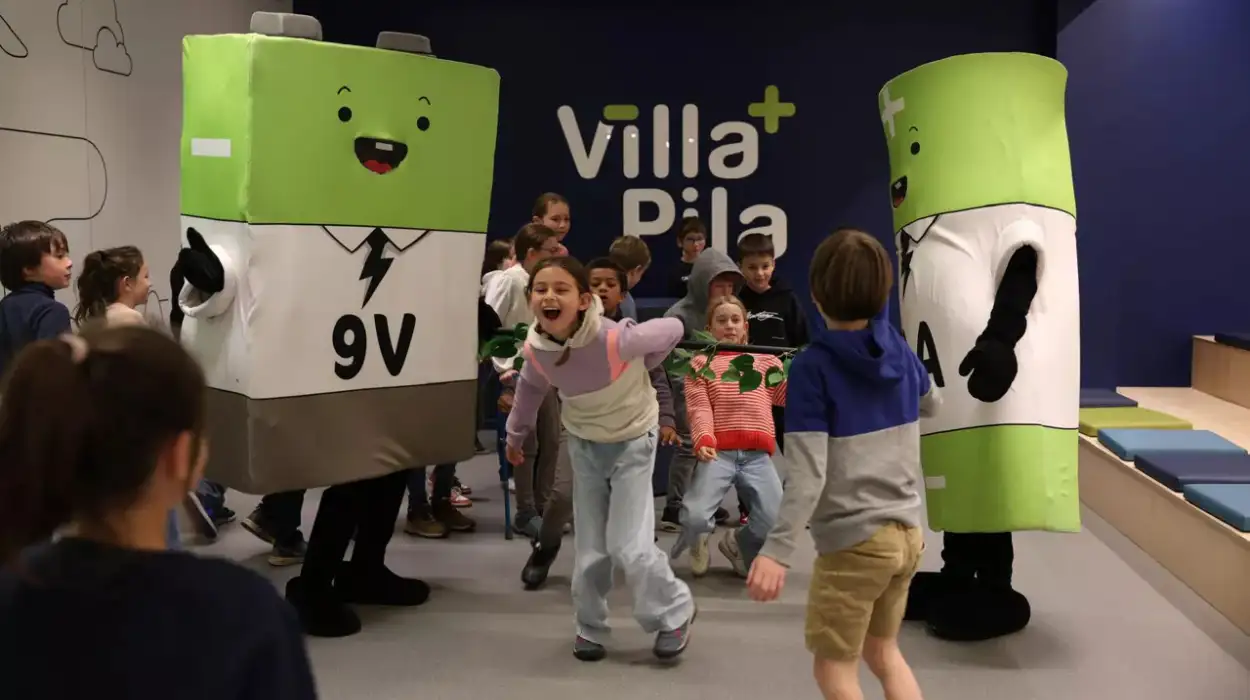
Tienen (Eurotoday Newspaper): Villa Pila in Tienen has educated over 35,000 students from 1,000 primary schools since 2010, focusing on battery recycling. Nele Peters from Bebat emphasizes teaching youth about battery usage and recycling habits for a sustainable future.
Villa Pila, the House of the Battery in Tienen, has been an important educational center since it opened in 2010. Over the past 15 years, it has welcomed more than 1,000 primary schools and 35,000 students, teaching them how to sort and recycle batteries in a fun way. With the shift from regular batteries to rechargeable lithium-ion batteries used in smartphones and electric vehicles, Villa Pila has updated its exhibits and materials to stay relevant. A complete renovation was carried out to reflect these changes and to align its educational mission with today’s recycling challenges.
What new exhibits and interactive activities does Villa Pila in Tienen offer for battery education?
Villa Pila has been updated with new exhibits that show the latest battery technologies, their impact on the environment, and new recycling methods. There are fun interactive tools like digital screens and hands-on activities for young visitors to learn. The facility highlights the importance of battery recycling for a sustainable future and connects these lessons to larger global issues. With improved spaces for workshops and activities, Villa Pila aims to inspire future generations to be more environmentally friendly and continue its role as a leader in educating about sustainability.
Villa Pila has introduced a new battery wall that showcases over 100 types of batteries, from old ones that are 220 years old to a new electric car battery. There’s also a new film about recycling, and students can try making a battery with a lemon. Nele Peters from Bebat says it’s important to teach young people about how batteries work and what happens to them, as they will be the adults who pass on good recycling habits to future generations.
Comments
4 responses to “Villa Pila in Tienen: Nele Peters Educates 35,000 Students on Battery Recycling”
-
Ah, Villa Pila in Tienen – where 35,000 students are now experts in battery recycling, because clearly, the world’s biggest problem was a lack of teenage eco-warriors armed with knowledge about dead batteries. One can only imagine the riveting conversations at the pub: “Did you hear about Nele? She’s teaching the kids how to save the planet, one AA at a time!” Bravo, Nele, for turning the next generation into recycling aficionados – because who wouldn’t want to be the life of the party with that kind of trivia?
-
Ah, Villa Pila in Tienen, where 35,000 schoolchildren have been expertly educated on battery recycling—because nothing screams excitement quite like sorting dead batteries, eh?
-
Ah, Villa Pila in Tienen—where 35,000 students have discovered that recycling batteries is the new “it” activity, because if there’s one thing kids need to learn before they conquer the world, it’s how to repurpose their smartphone’s lifeblood while simultaneously curing the planet’s woes—because, you know, saving the environment was just too dull without a side of interactive lemon batteries and a dazzling wall of ancient batteries that could probably tell a few stories of their own!
-
Ah, Villa Pila in Tienen—where 35,000 students are learning the riveting art of battery recycling; because nothing says “future leaders” quite like a hands-on workshop about lemon batteries, right?

Last News
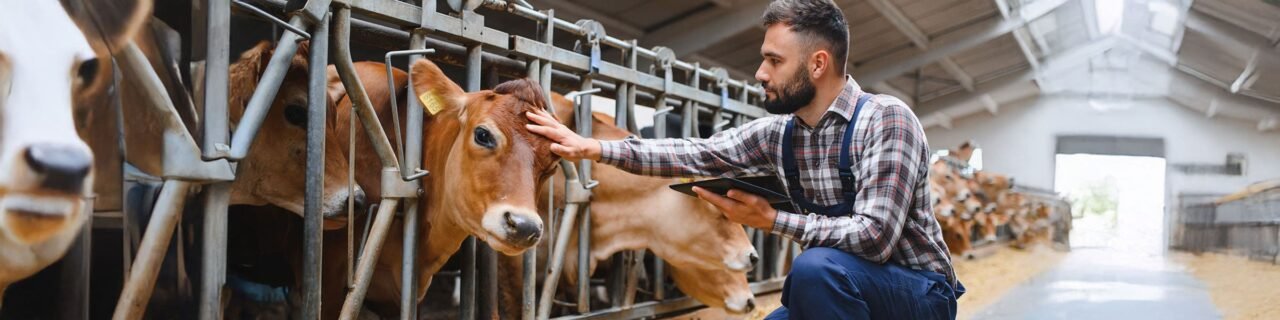
Smart Tech Revitalizes Rural Europe: A Connected Countryside
Preparing children for school can be stressful, especially in Finnish Lapland, where winters are long, and students often travel by bus. In Lapland, a new school transport app, developed through the EU-funded AURORAL initiative, is easing this process. The app streamlines school bus pick-ups, reducing stress for parents and assisting bus drivers.
The app is part of a digital backbone created by
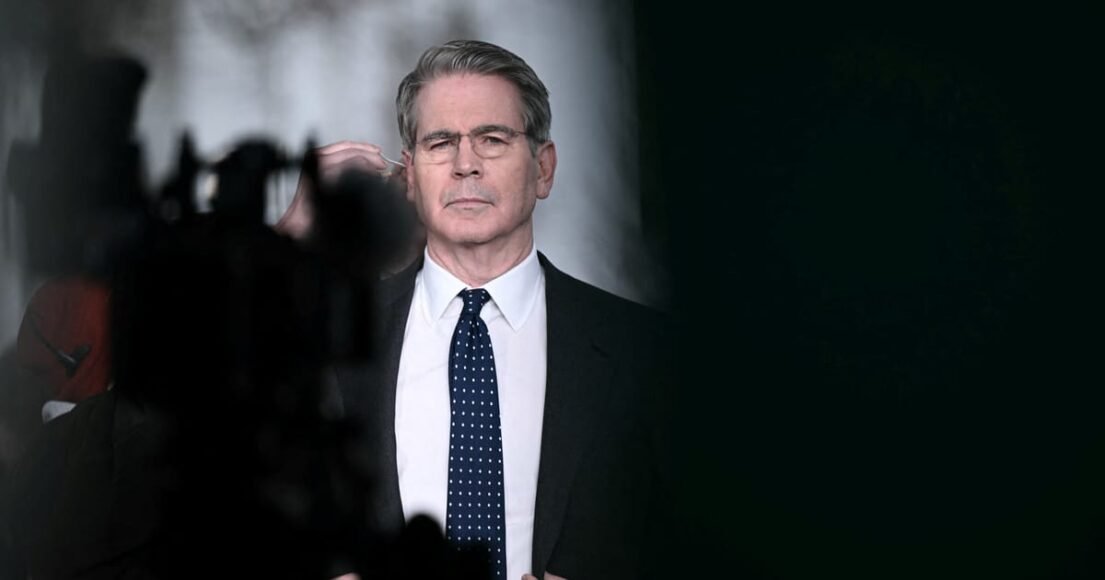
US Committed to EU Trade Deal, Top Trump Official Tells Brussels

Europe’s Energy Shock Reopens Nuclear Debate
Europe on Tuesday faced a recurring strategic vulnerability: its reliance on imported energy. As ministers considered emergency measures and EU leaders turned their focus back to competitiveness, the latest external shock reignited a long-standing internal debate — whether Europe had moved too far from nuclear power.
The most significant story for Europe on 10 March isn’t a single summit o

Ein Gespräch mit Wolodymyr Selenskyj
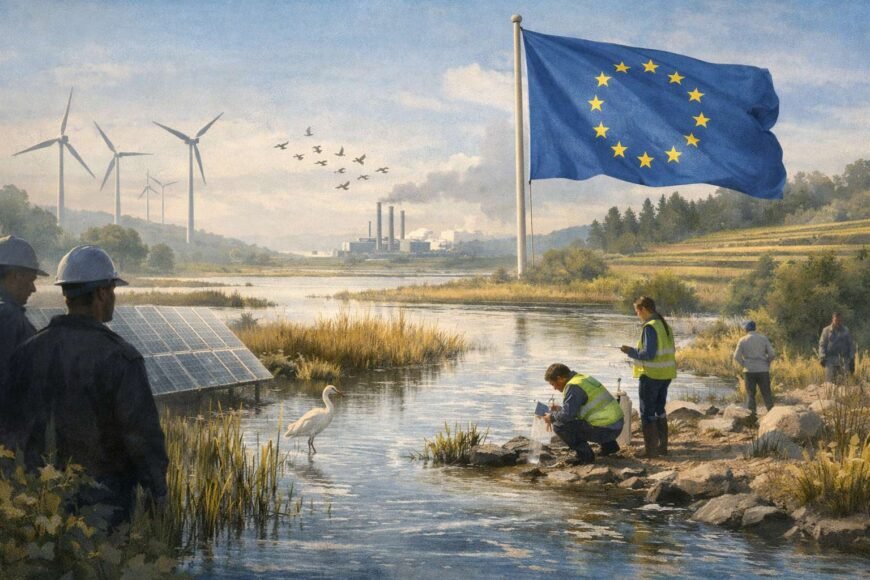
EU Backs Seven Green Projects With €103 Million
The funding, announced through the
UK Releases Mandelson Files on Ex-Envoy’s Ties to Jeffrey Epstein

Global News Headlines: Myanmar Airstrikes Intensify Crisis, South Sudan Fighting Endangers Akobo, Afghan Women Excluded from Justice
Recent military airstrikes on a trading junction in Myanmar’s Magway region reportedly resulted in over 25 deaths and 20 injuries.
The UN’s relief agency, OCHA, stated, “The humanitarian situation worsens yearly due to conflict, disasters, and economic decline.”
Aid reached 6.3 million people in 2025, but access issues, funding cuts, and insecurity hinder support.
Funds needed to su

What Starmer Wants to Avoid in the Mandelson Files
EU Continues Repatriation from Conflict Zone
The EU’s Emerge
Circular by Design: The Importance of Textile Services for Europe
Several key legislative initiatives are advancing in Brussels, prompting reflection on what textile services require to maintain sustainab
Leave a Reply