


Middle East | January, 2026 — The US Iran rhetoric intensified sharply as officials in Washington and Tehran exchanged pointed statements following the deployment of a United States aircraft carrier to the region. The escalation comes at a moment of heightened sensitivity across the Middle East, where unresolved conflicts, fragile ceasefires, and energy security concerns have magnified the impact of political language and military signaling between United States and Iran.
The latest developments have drawn close scrutiny from allies and adversaries alike, with diplomats emphasizing the need for restraint as both sides assert defensive intentions while projecting strength.
Carrier Presence Elevates Strategic Visibility
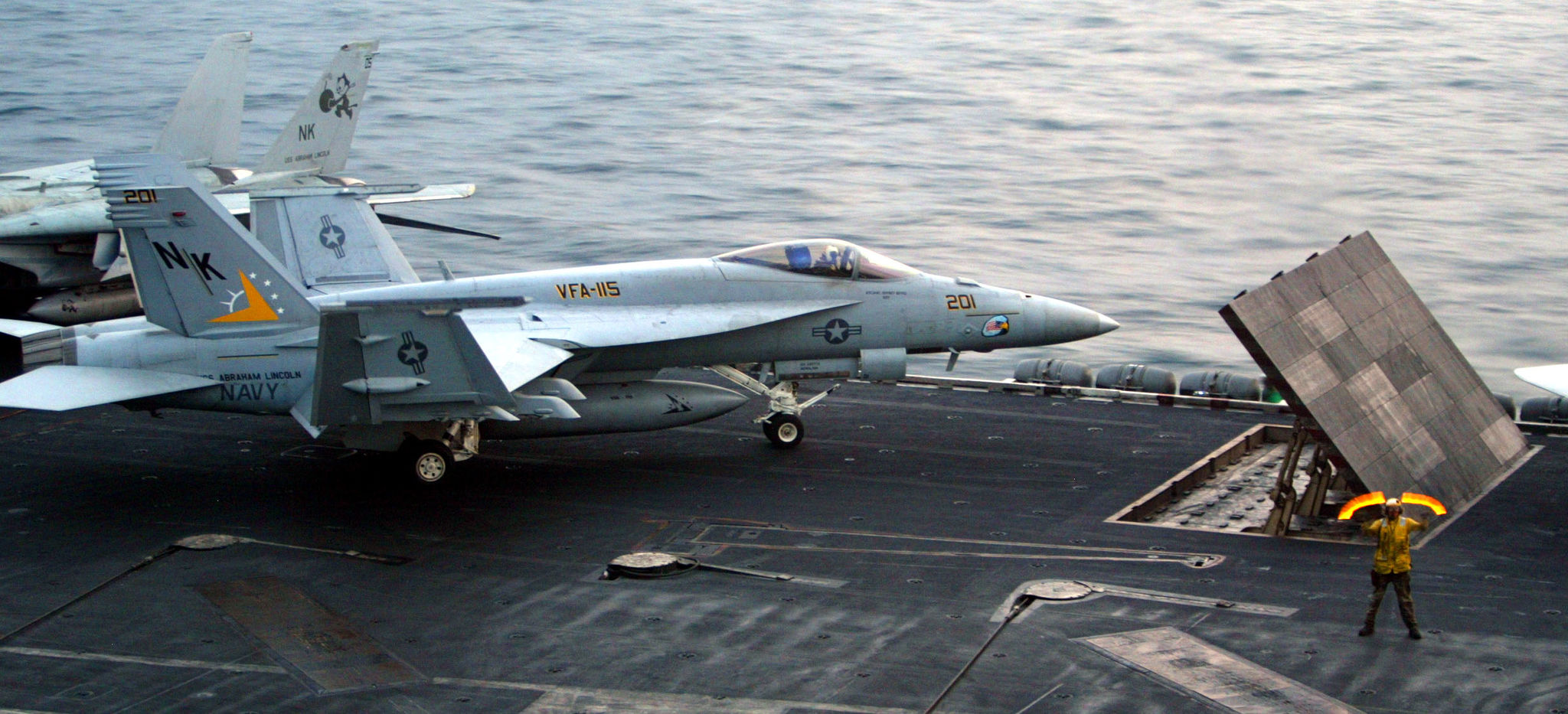
The arrival of the aircraft carrier USS Abraham Lincoln has given tangible form to the current phase of US Iran rhetoric. Pentagon officials described the deployment as a precautionary measure aligned with longstanding commitments to maritime security and freedom of navigation.
Military analysts note that carrier deployments carry symbolic weight well beyond their operational role. In periods of heightened tension, they serve as visible demonstrations of capability and resolve, often amplifying the political messages that accompany them.
Washington Frames Deterrence as Stability
US officials have emphasized that the carrier movement reflects a defensive posture intended to deter potential threats and reassure regional partners. Statements from Washington highlighted concerns about safeguarding international shipping lanes and preventing disruptions to global trade.
This framing has shaped the evolving US Iran rhetoric, with American policymakers arguing that visible readiness reduces the risk of miscalculation rather than increasing it. Critics, however, warn that such deployments can be interpreted differently by rivals.
Tehran’s Narrative of Resistance and Sovereignty
Iranian leaders responded by condemning the carrier’s presence as destabilizing, asserting that foreign military forces exacerbate regional insecurity. State media coverage stressed national sovereignty and defensive preparedness, portraying Iran as resolute yet measured.
These responses added further momentum to US Iran rhetoric, reinforcing a narrative of resistance that has long characterized Tehran’s approach to external pressure.
Regional Allies Assess Reassurance and Risk
Across the Middle East, governments are








Leave a Reply