


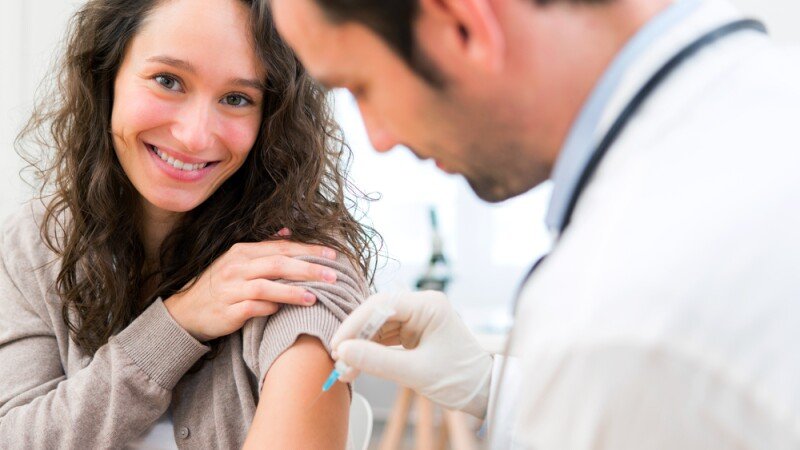
Washington, February 11, 2026 — Eurotoday — The US influenza vaccine meeting has been formally confirmed for 2026 as American health officials prepare to join global experts in Washington to determine the composition of the upcoming seasonal influenza vaccine. A World Health Organization official confirmed that US representatives will take part in scientific consultations reviewing virus circulation data and strain evolution trends ahead of the next respiratory season.
The US influenza vaccine meeting arrives at a time when public health agencies worldwide are intensifying surveillance efforts to monitor influenza A and influenza B variants. With manufacturing timelines dependent on early decisions, health authorities stress that participation ensures vaccine production remains aligned with the most current epidemiological evidence.
Global Coordination for Seasonal Vaccine Planning
International collaboration forms the backbone of influenza preparedness. Each year, scientists from multiple continents gather under WHO coordination to assess virus samples, hospitalization trends, and laboratory findings. The US influenza vaccine meeting contributes national surveillance data gathered from hospitals, diagnostic laboratories, and regional monitoring systems.
Influenza viruses evolve rapidly due to antigenic drift. Small genetic mutations can reduce vaccine effectiveness if formulations are not updated. During these consultations, experts examine sequencing data and assess how antibodies respond to emerging strains.
A WHO spokesperson stated,
“Scientific cooperation across borders remains essential to maintaining effective influenza prevention strategies worldwide.”
Such coordination allows health agencies to issue strain recommendations months before flu season begins, ensuring manufacturers can scale production in time.

Scientific Evaluation of Circulating Influenza Strains
Selecting influenza vaccine strains is a complex, evidence driven process. Researchers analyze genetic markers, antigenic properties, and real world infection data. The US influenza vaccine meeting enables American epidemiologists to present comprehensive findings from national influenza surveillance networks.
These discussions typically focus on identifying the most prevalent influenza A subtypes and influenza B lineages. Laboratory testing determines whether current vaccine antibodies provide adequate coverage or whether updated components are necessary.
Health officials emphasize that the decision making framework relies strictly on data rather than projections. By pooling international research, scientists reduce uncertainty and increase the likelihood of effective strain matching.
Timely recommendations are critical because vaccine production often begins shortly after consultations conclude.
Federal Health Agencies and Regulatory Oversight
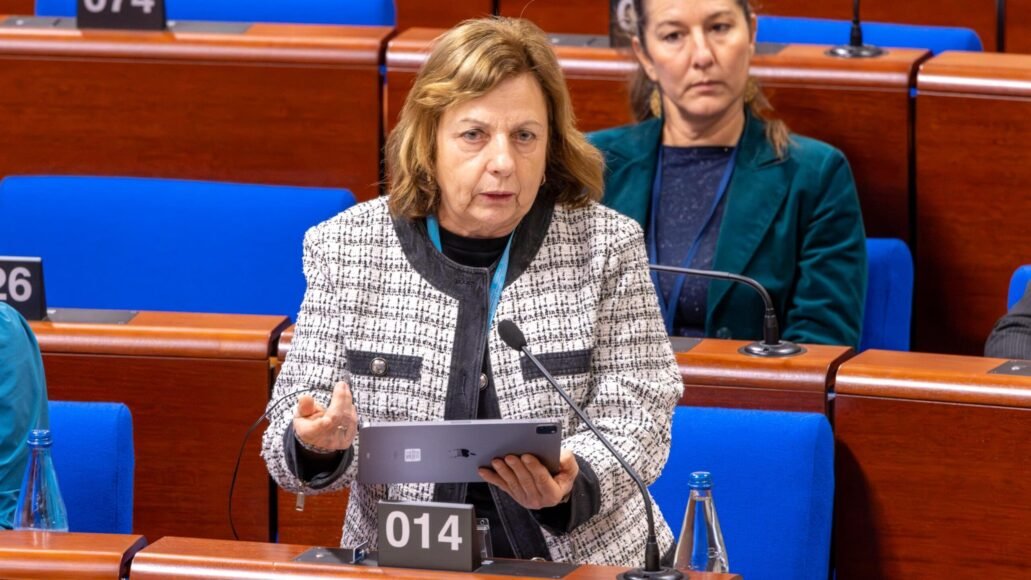
The US influenza vaccine meeting involves collaboration among federal public health agencies, advisory committees, and regulatory authorities. Surveillance data collected nationwide feeds into global databases, allowing cross comparison with samples from Europe, Asia, and other regions.
Regulatory agencies coordinate closely with pharmaceutical manufacturers once strain selections are finalized. Updated formulations must meet stringent safety and efficacy standards before approval.
A senior US health official said, “Our engagement ensures that American surveillance data contributes directly to global influenza preparedness and strengthens confidence in annual vaccination programs.”
Manufacturers rely on early clarity to begin egg based or cell based vaccine cultivation. Without coordinated






Leave a Reply