


Permanent membership requires a $1 billion contribution. Key democracies like the U.K., Canada, France, and Germany have stayed away, while Russia and China have declined to join, leaving membership to a mixed group including Belarus and Azerbaijan. In January, Trump withdrew an invitation to Canada after a dispute with the northern neighbor.
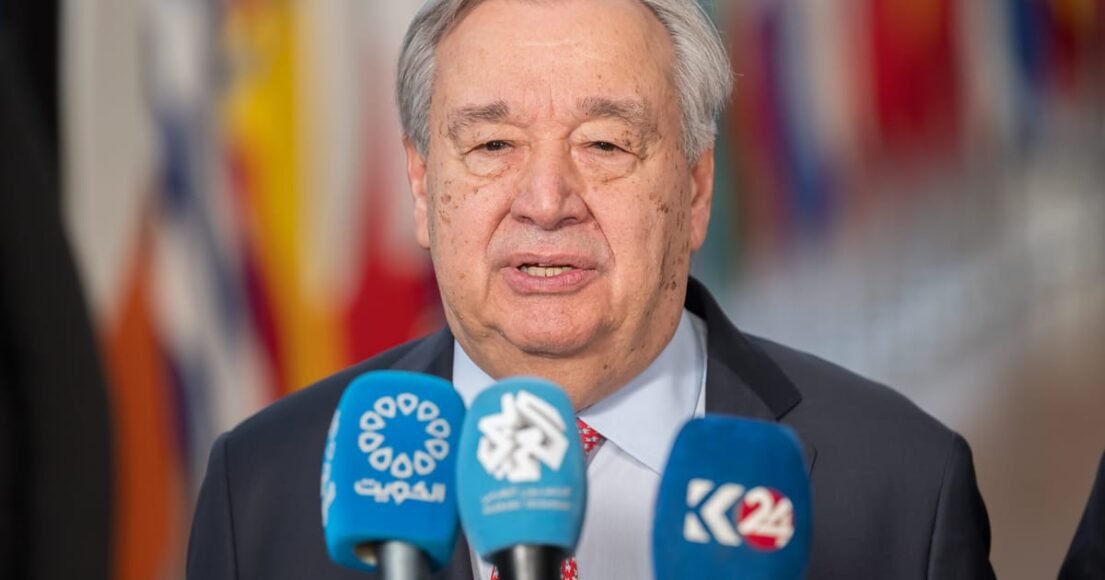
Guterres stated that aside from the Gaza reconstruction plan, Trump’s board has no necessity. “Everything else now is a personal project of President Trump, in which he has full control,” he commented. “This is not the effective way to address the dramatic problems we face. We need to adhere to international law and the values of the U.N. Charter for any peace initiative.”
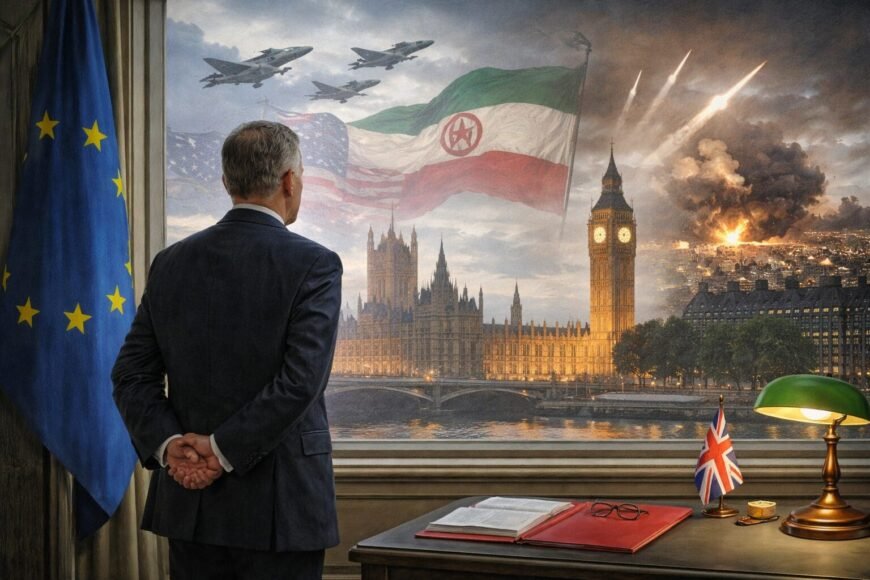
These comments were made during Guterres’s visit to Brussels at a European Council meeting focused on the Iran war. When asked if he had spoken with Trump during the Iran crisis, Guterres firmly said, “No, no, no,” though he mentioned speaking with others in the administration without specifying who.
The secretary-general defended the U.N.’s role in conflicts like the Hormuz Strait crisis, suggesting the organization could aid in de-escalation and protection efforts. He referenced the Black Sea Initiative, which facilitated Ukrainian food and fertilizer exports via a humanitarian corridor from July 2022 until Russia withdrew support.
“My main goal is to see if it’s possible to recreate conditions in the Strait of Hormuz like in the past,” he said, mentioning U.N. contact with Gulf region actors and the European Council.
“It’s a different context,” he acknowledged. “The solution would be different, but we’d like to be helpful and are ready to manage the system. We have task forces ready for this. Ideally, we’d work directly with the U.S. and other states.”





Leave a Reply