


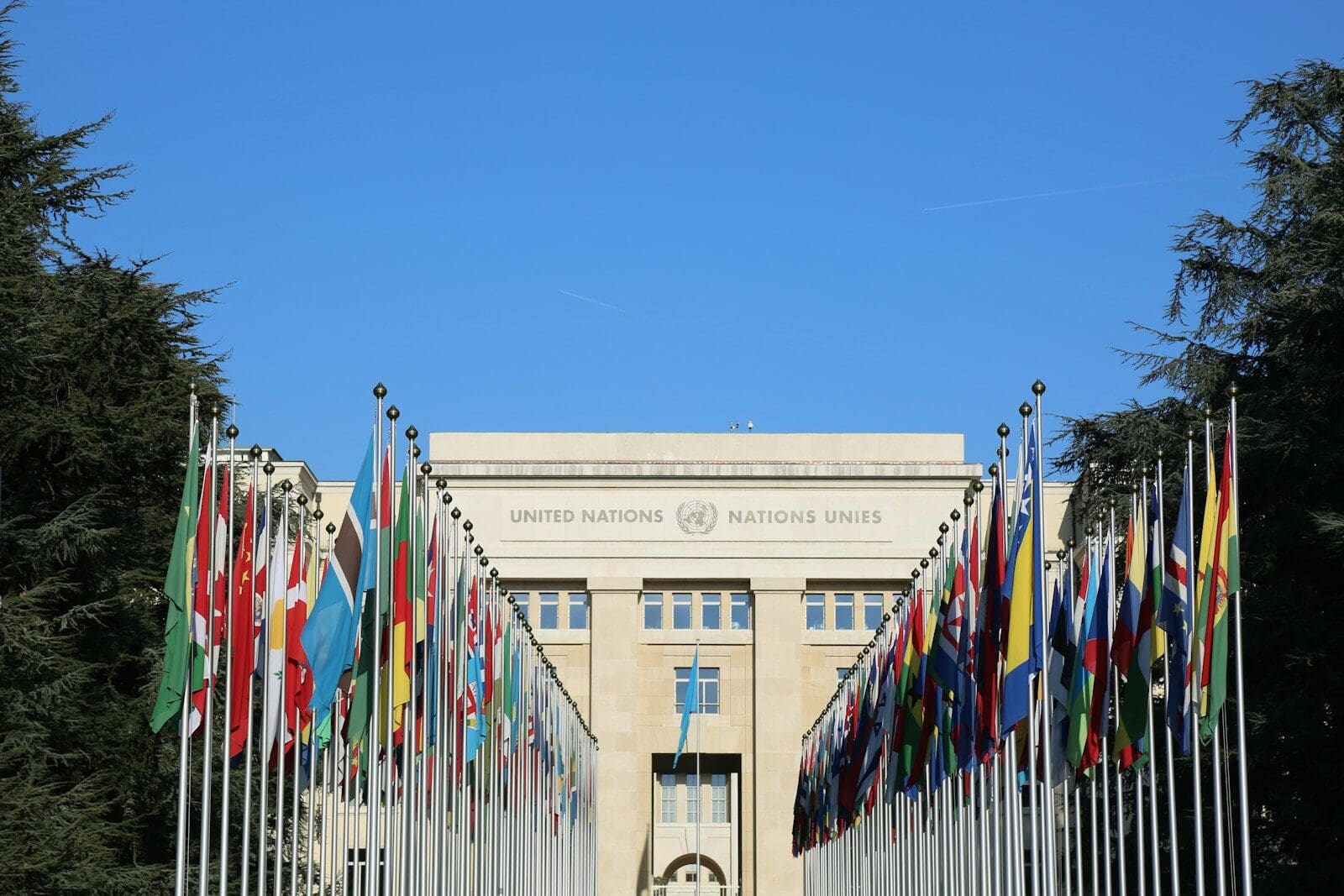
Global Human Rights Agenda Mapped at the 61st Regular Session
The United Nations Human Rights Council (HRC) is holding its sixty-first regular session in Geneva from 23 February to 31 March 2026. This session gathers ministers and senior officials during a high-level segment (23–25 February) and features weeks of country debates, expert dialogues, and mandate and resolution votes. Major discussions are anticipated on conflicts and crises in Afghanistan, Sudan, the occupied Palestinian territory, Ukraine, Belarus, Iran, and Syria, in addition to thematic debates on issues like disability rights, child rights, and sustainable development financing.
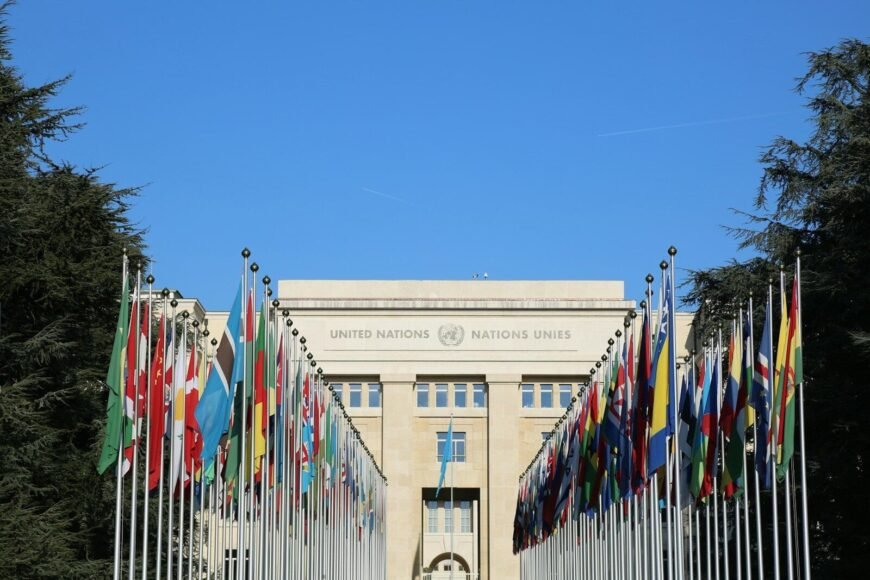
Under the presidency of Ambassador Sidharto Reza Suryodipuro of Indonesia, the session opens with statements from UN Secretary-General António Guterres, UN General Assembly President Annalena Baerbock, UN High Commissioner for Human Rights Volker Türk, and Swiss Foreign Minister Ignazio Cassis. The Council convenes at the Palais des Nations, a venue known for its diplomatic significance when accountability or country scrutiny is discussed.
Packed Agenda: Dialogues, Panels, and Country Scrutiny
The OHCHR states that the Council will hold 29 interactive dialogues with various experts and UN representatives. A global human-rights update by High Commissioner Türk is set for 27 February, presenting a crucial juncture for states and civil society to assess the Council’s response to crises and emerging abuses.
The session includes the Council’s annual high-level panel on human-rights mainstreaming, a commemoration of the 25th anniversary of the Durban Declaration and Programme of Action, and discussions on human rights and a culture of peace and financing sustainable development. The programme also features the annual debates on the rights of persons with disabilities and the rights of the child.
Country Situations and Accountability Mechanisms
The Council will examine numerous country situations, including Afghanistan, Sudan, South Sudan, Myanmar, Colombia, Guatemala, Honduras, and Cyprus, as well as accountability-focused files such as Ukraine, Belarus, Venezuela, Syria, the Democratic People’s Republic of Korea, Nicaragua, and Iran. Debates on the Occupied Palestinian Territory and Occupied Syrian Golan are also scheduled.
Early in the session, enhanced dialogues on Afghanistan and Sudan take place, followed by discussions on the occupied Palestinian territory and South Sudan, and an update on Rohingya Muslims and other minorities in Myanmar. These sessions can significantly influence the political impact of UN mechanisms.
Universal Periodic Review Outcomes and New Appointments
Beyond country debates, the Council will review Universal Periodic Review (UPR) outcomes for 13 states, including Belarus, Liberia, Malawi, Mongolia, Panama, Maldives, Andorra, Bulgaria, Honduras, the Marshall Islands, Croatia, Jamaica, and Libya. Critiques of the UPR process often focus on the necessity for national follow-up and political commitment.
By session’s end, the Council will appoint 17 new mandate holders, including 11 Special Procedure positions and six expert mechanism members. These appointees frequently become prominent figures in addressing sensitive issues and contested domestic situations.
European Relevance
For European governments and EU bodies, the HRC calendar is a vital policy reference. Many discussed topics—conflict accountability, rule of law, migration, digital harms, discrimination, and civic space protection—intersect with EU debates on external actions, sanctions, asylum, and human-rights conditionality credibility. European responses to international crises and domestic scrutiny are highlighted as Geneva sessions




Leave a Reply