


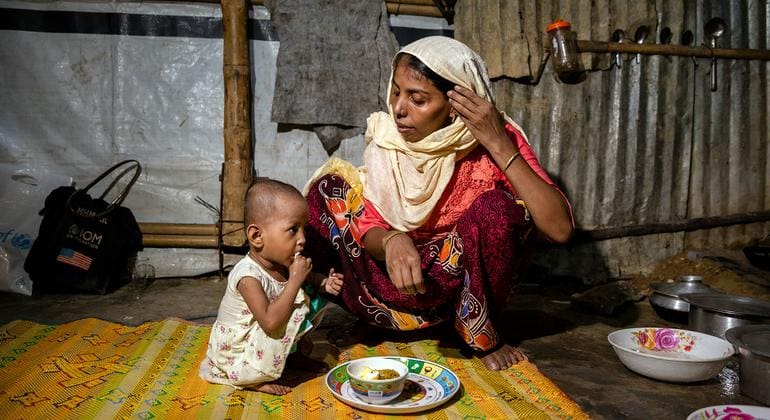
In Geneva on Tuesday, UNHCR spokesperson Babar Baloch warned of significant cuts in humanitarian and development funding that threaten essential services for one of the largest refugee populations. He emphasized the critical role of Bangladesh and international support in addressing basic needs and providing protection. The mass arrival of Rohingya refugees began in August 2017, with approximately 750,000 individuals fleeing violence in Myanmar’s Rakhine State to Bangladesh. Since then, support from Bangladesh and donors has been crucial.
Funding challenges continue to grow amid global instability and competing crises straining aid budgets. The United Nations and partners, collaborating with Bangladesh’s government, recently sought $710.5 million to address urgent needs of Rohingya refugees and host communities in 2026. This request is 26% lower than the previous year’s, reflecting a prioritization of the most critical requirements. Since 2017, aid has provided food, healthcare, education, and protection services, but UNHCR cautions that ongoing support is needed to address significant needs.
Rohingya refugees mainly rely on aid with limited income opportunities. Vulnerable groups like women, girls, older individuals, and those with disabilities face heightened risks due to funding gaps, compounded by around 150,000 new arrivals fleeing renewed Rakhine State violence since early 2024. Blocked humanitarian access and funding deficits leave communities without essentials like food, clean water, and healthcare.
UNHCR reported that ongoing conflict in Myanmar prevents safe refugee return, causing more Rohingya to undertake perilous sea journeys seeking opportunities in the region. The year 2025 was the deadliest for such crossings, with around 900 Rohingya reported dead or missing. UNHCR stressed that minimal humanitarian assistance levels could lead to severe future consequences.
Mr. Baloch urged continued international solidarity with Myanmar refugees, including Rohingya, and their host communities until violence ceases, renewing calls for humanitarian support and efforts for their voluntary, safe, and dignified return when conditions permit.









Leave a Reply