



The United Arab Emirates Ministry of Foreign Affairs has issued a statement indicating a sharp decline in the Middle East’s security balance. Abu Dhabi, using strong language, describes its stance as self-defense against “brutal and unjustified Iranian aggression,” citing over 1,400 ballistic missiles and drones targeting infrastructure and civilian areas. This underscores the region’s strategic tension and highlights the fragility of its security system, already strained by regional rivalries.
Emirati authorities claim these Iranian attacks caused civilian casualties and targeted sensitive infrastructure, violating international law and the UN Charter. This accusation not only affects military disputes but also challenges international legal legitimacy. By invoking the right to self-defense under Article 51 of the UN Charter, the UAE seems to be preparing diplomatically for potential responses and aiming to garner international support, portraying itself as a victim.
The UAE has long sought to position itself as a stabilizing force in the region through economic diplomacy, strategic partnerships, and normalization with several regional players. The Abraham Accords and expanding economic ties with Asia and Europe have reinforced its image as a pragmatic power aiming to maintain regional stability. The statement reaffirms this stance, emphasizing that Abu Dhabi does not seek conflict escalation but reserves the right to defend its sovereignty and population.
This dual approach—military firmness paired with diplomatic tact—is a strategy Gulf states have used against Iran’s strategic pressure. For over a decade, Iran’s influence has expanded through ballistic capabilities, drones, and allied non-state actors, from Iraq to Lebanon and Syria to Yemen. This asymmetric power allows Tehran to apply pressure without direct confrontation with global powers.
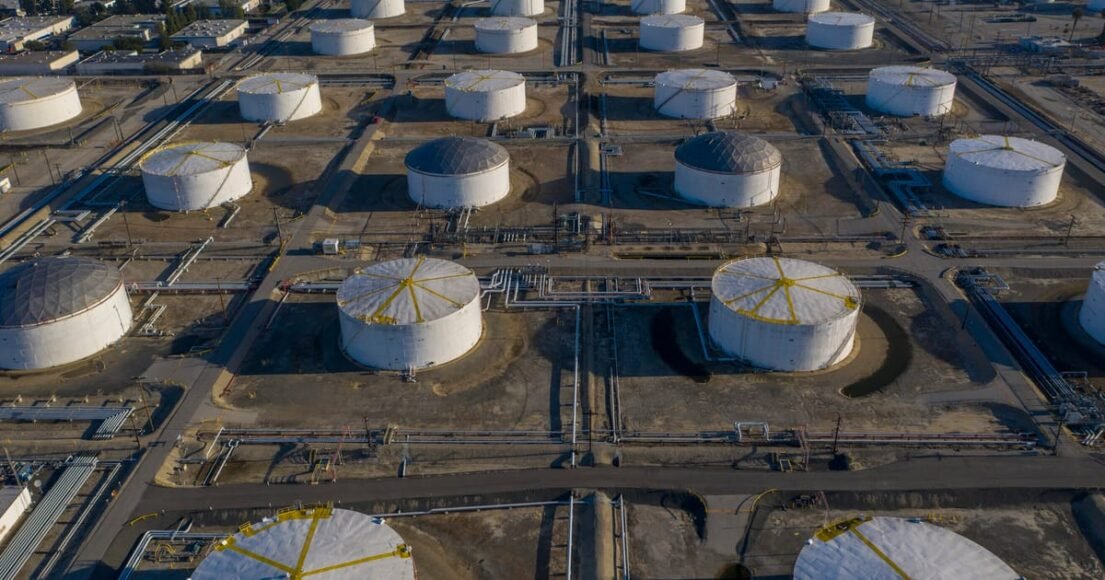
The mention of mass missile and drone launches raises concerns about warfare evolution in the Middle East. Drones, ballistic missiles, and hybrid attacks are altering military dynamics, letting regional players bypass conventional defenses and strike strategic targets remotely. Energy infrastructure, ports, and logistics hubs have become common targets in these low-intensity yet economically disruptive conflicts.
The international community will closely watch the UAE’s response. Any direct military retaliation against Iran could lead to regional and international escalation. The U.S., a major Gulf security partner, monitors developments closely for potential threats to maritime stability and energy trade. Europe fears regional escalation could destabilize an already fragile international environment further strained by the Ukraine conflict, Red Sea tensions, and Sino-American rivalry.
In this volatile context, diplomatic communication is crucial for crisis management. Abu Dhabi aims to balance deterrence with international responsibility by emphasizing the attack’s seriousness while refusing to escalate the situation. The goal is to signal Tehran and reassure Western partners and global markets that the UAE does not intend to provoke war.
However, the increase in military incidents, geopolitical rivalries, and weakened regional mediation mechanisms are destabilizing the situation. The Middle East faces a phase of strategic realignment where alliances shift, military capabilities evolve, and red lines blur.
The UAE’s statement is more than diplomatic rhetoric; it signals an increasingly fragile regional balance. Without swift international diplomatic intervention, the risk of broader confrontation between Iran and the Gulf states may materialize, with significant consequences for global energy security and international stability.







Leave a Reply