


Washington, United States — January — The Trump Iran conflict has entered a renewed phase as U.S. policymakers reassess strategic pressure, regional stability, and diplomatic restraint amid evolving global conditions. The current posture reflects lessons learned from past confrontations while signaling that Washington remains prepared to influence outcomes without committing to direct escalation.
The Trump Iran conflict now sits at the intersection of military deterrence, economic leverage, and psychological signaling, reshaping how influence is projected in an era defined by uncertainty.
Strategic Context Driving Washington’s Decisions
The Trump Iran conflict is unfolding within a broader strategic re-calibration inside Washington. Officials are weighing how visible strength, when paired with restraint, can shape behavior without triggering irreversible consequences. This approach reflects a growing preference for controlled pressure rather than open confrontation.
Rather than rapid action, policymakers are emphasizing positioning, readiness, and long-term leverage. The goal is to maintain influence while preserving flexibility in a rapidly changing geopolitical environment.
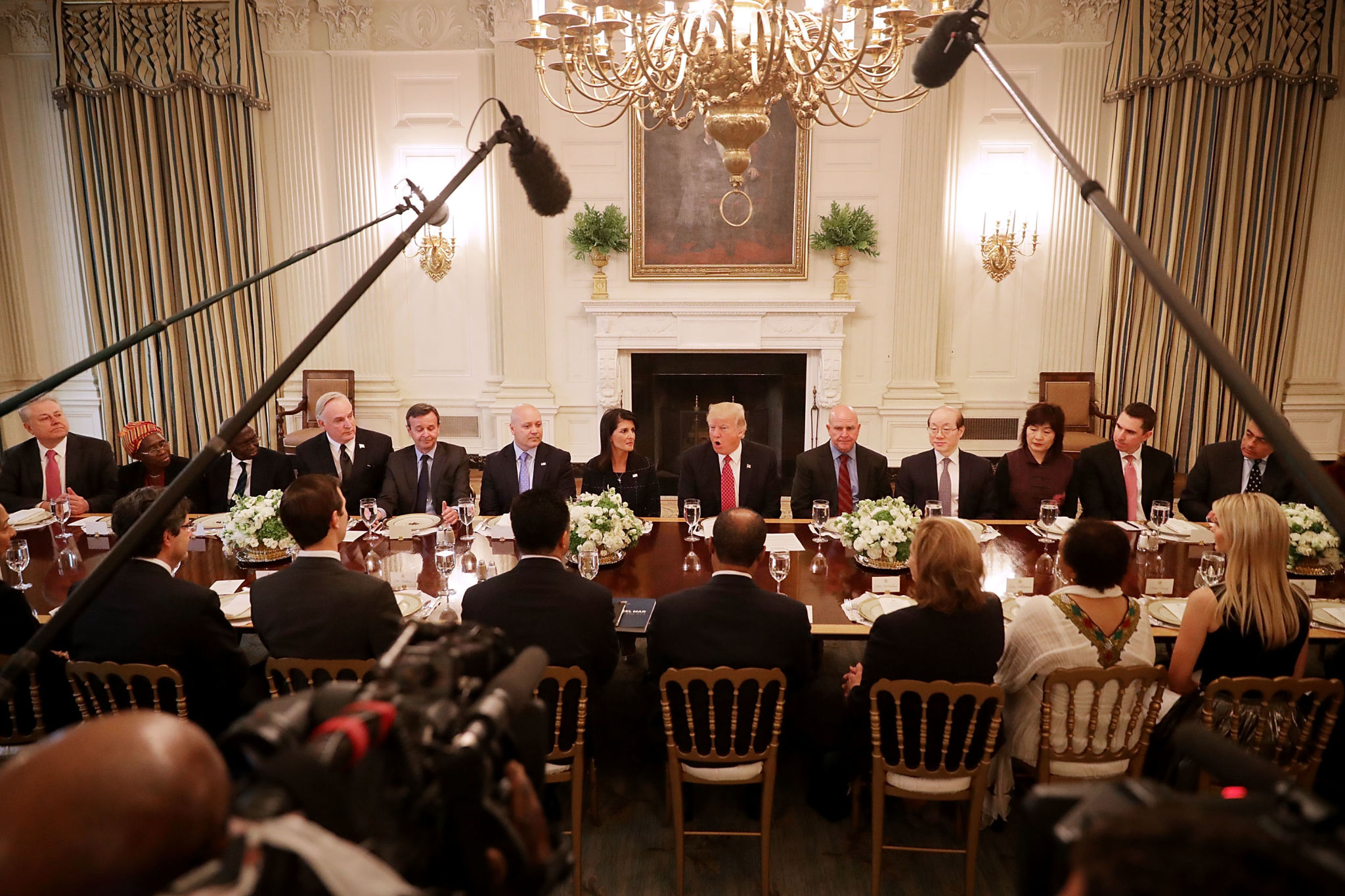
Iran’s Internal Pressures and Economic Reality
At the heart of the Trump Iran conflict lies Iran’s internal economic strain. Inflationary pressure, constrained trade access, and limited foreign investment continue to affect daily life. These challenges place stress on governance structures and public confidence.
Economic hardship has historically amplified dissatisfaction, but it has also fueled national resilience narratives. External pressure can accelerate unrest, yet it can also unify resistance depending on timing and perception.
Military Signaling Without Immediate Escalation
The Trump Iran conflict illustrates how military capability can function as a signal rather than a trigger. Readiness, visibility, and posture are being used to communicate resolve without crossing thresholds that lead to direct engagement.
Defense planners stress deterrence credibility while avoiding actions that would lock both sides into retaliatory cycles. Strategic ambiguity remains a key element of this posture.
Diplomatic Channels Behind the Scenes
Despite public tension, the Trump Iran conflict has not eliminated diplomatic engagement. Quiet channels, indirect intermediaries, and regional partners continue to play roles in managing risk.
One U.S. official familiar with diplomatic discussions stated,
“Pressure is most effective when it leaves space for dialogue rather than eliminating it.”
Regional Implications Across the Middle East
The Trump Iran conflict affects far more than bilateral relations. Neighboring states monitor developments closely, aware that instability can disrupt trade routes, energy markets, and internal security.
Regional governments remain cautious, balancing alignment with Washington against domestic concerns over escalation. Stability remains a shared priority, even as strategic interests diverge.
Energy Markets and Global Economic Sensitivity







Leave a Reply