


UN Human Rights office spokesperson Ravina Shamdasani expressed concerns in Geneva about the health and environmental impacts of Israeli and U.S. attacks on oil depots in Tehran, highlighting the spread of toxic pollutants in the air.
She questioned whether the attacks met international humanitarian law’s proportionality and precaution requirements, noting that the targeted sites seemed not to be exclusively military.
WHO spokesperson Christian Lindmeier warned about the dangers of “black rain” and “acidic rain” falling in Tehran post-strikes, advising Iranians to stay indoors.
The UN agency is monitoring health risks from the release of toxic hydrocarbons, sulfur oxides, and nitrogen compounds into the atmosphere.
Lindmeier also noted concerns about pollution exposure from Iranian strikes on oil infrastructures in Bahrain and Saudi Arabia, highlighting long-term health impacts and water contamination.
Lebanon: trauma, repeated
In Lebanon, over 100,000 people have been displaced by Israeli strikes and evacuation orders within 24 hours, increasing the conflict’s total displacement to nearly 700,000.
UNHCR’s Karolina Lindholm Billing reported a faster displacement pace compared to the 2024 conflict with Israel.
She described seeing cars with people sleeping in them during her visit to a Beirut shelter and shared the story of a woman in her nineties displaced in both 2024 and 2026, highlighting ongoing fear and trauma.
Afghan plight
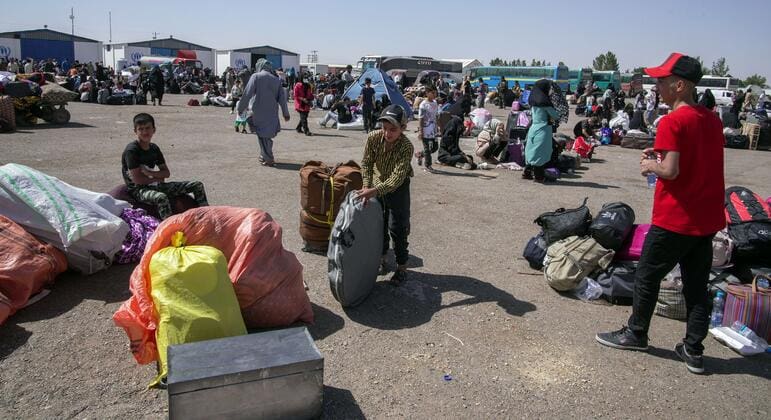
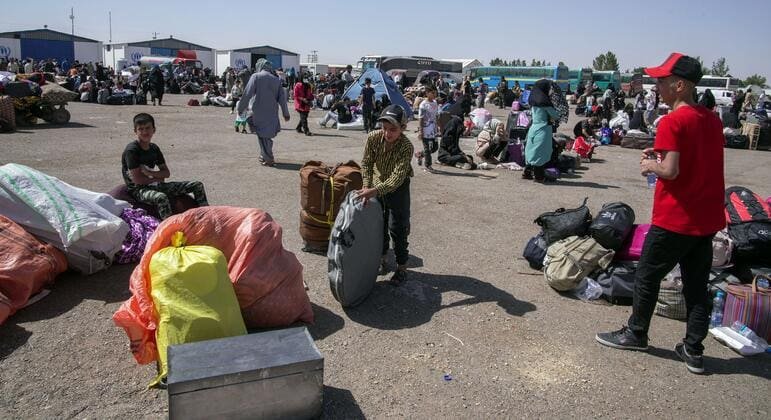
UNHCR noted significant return migration to Afghanistan from Iran, with 110,000 returnees since the year’s start and daily returns escalating since the Middle East conflict began.
Afghans face increasing precarity upon returning home due to insecurity and economic challenges.
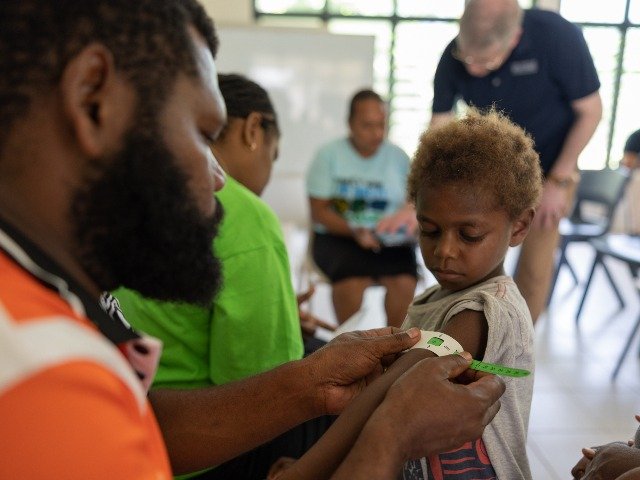
UNICEF’s Tajudeen Oyewale in Herat province reported a rise in returns and a doubling of children screened and treated for malnutrition, emphasizing the worsening situation.
Strait of Hormuz fall-out
The conflict has disrupted supply chains, delaying essential aid delivery.
Oyewale highlighted procurement route disruptions impacting the timely arrival of critical supplies for children and mothers.
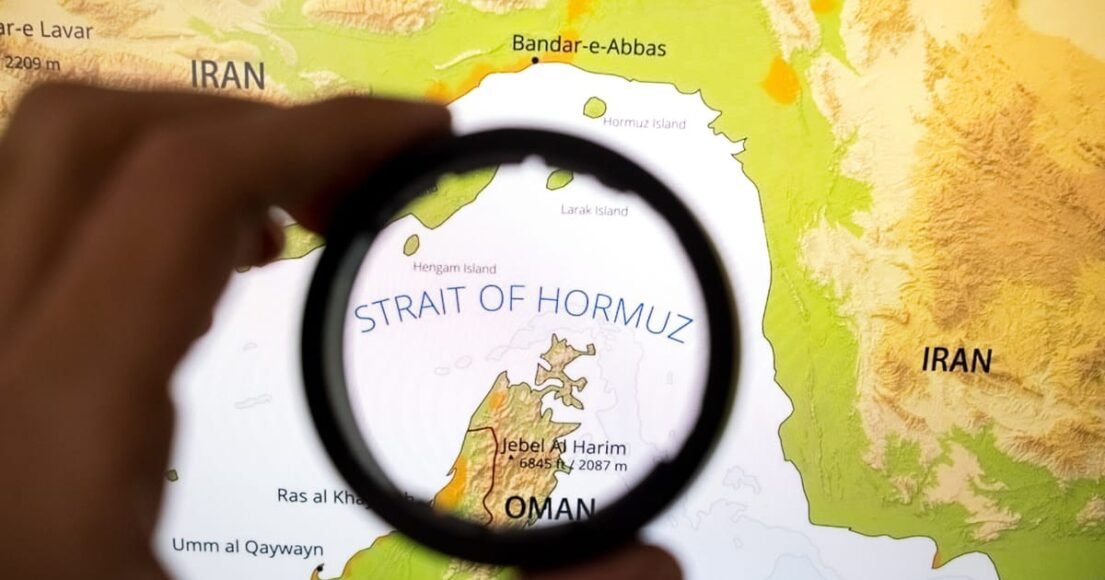
WFP’s Jean-Martin Bauer warned of conflict impacts in the Strait of Hormuz and Bab El-Mandeb, affecting global supply chains and leading to shipping diversions.
Shipping premiums
War risk insurance for shipments incurs additional costs of $2,000 to $4,000 per container in risky areas.
Bauer shared that longer shipping routes are necessary, significantly increasing travel times.
He cited WFP’s Sudan operation, noting shipments from India via alternative routes, adding 25 days to delivery times.
“It’s like traveling coast to coast in the U.S. and back,” Bauer illustrated.
Source link






Leave a Reply