


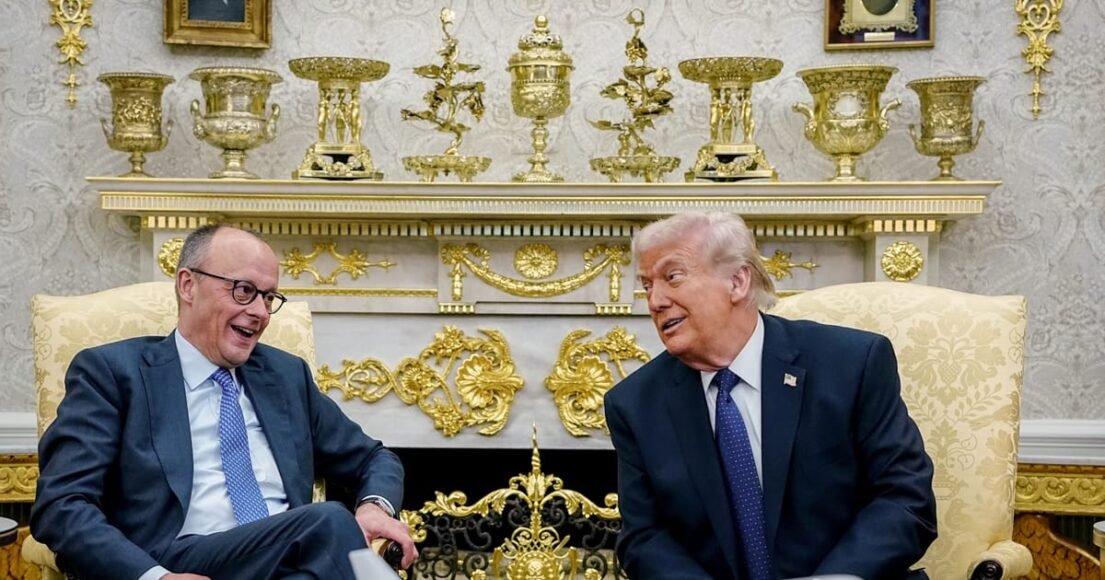
Merz faced criticism for remaining silent during a March 3 press conference at the White House, where Trump threatened an embargo on Madrid for not permitting U.S. military planes to use Spanish air bases for an attack on Iran and criticized Spain for not committing 5 percent of GDP to defense spending.
Afterward, the chancellor explained he didn’t defend Spain openly to avoid escalating the situation, mentioning later that he informed Trump privately that sanctions can’t target a single EU country.
Despite this, Madrid was displeased. Following the Washington meeting, Spanish Foreign Minister José Luis Albares criticized Merz for not supporting an EU ally, remarking that former German chancellors Angela Merkel or Olaf Scholz wouldn’t have stayed silent in such a scenario.
Spanish media also criticized Merz, with commentators calling him a “coward” and editorials reprimanding him for not showing solidarity with a European partner.
Merz’s spokesperson, Stefan Kornelius, downplayed any tension between the countries, stating the relationship was not strained. Kornelius noted that Germany’s foreign policy and security official, Günter Sautter, had briefed his Spanish counterpart post-meeting. However, he admitted the leaders haven’t spoken since. Merz has attempted contact twice, left a voice message for Sánchez, and awaits a reply.




Leave a Reply