


“We should strive to maintain friendly relations with Morocco,” he stated. “However, it is crucial that even friends recognize there are boundaries that must not be crossed.”
Colonial Legacies
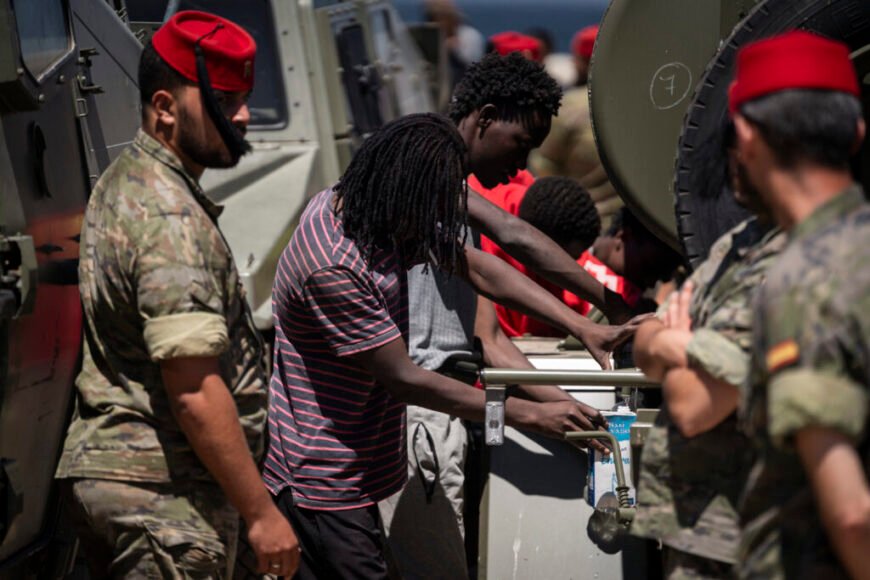
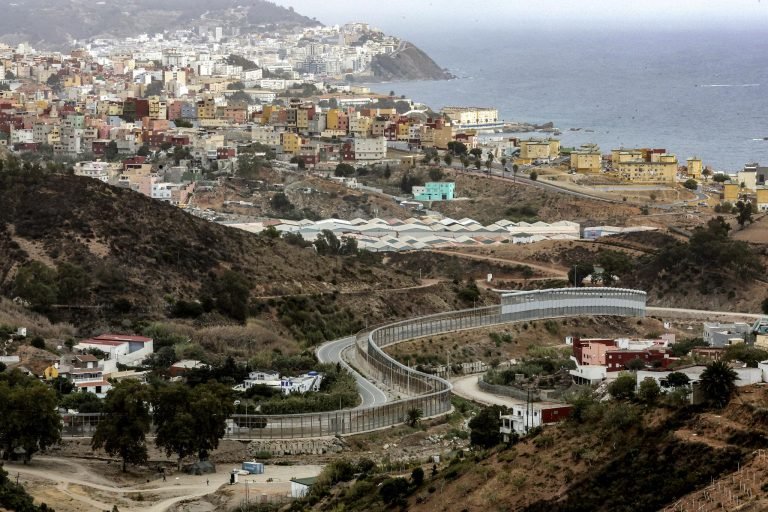
Ceuta and Melilla are among the last remnants of the extensive Spanish Empire. They have been under Madrid’s administration since 1668 and 1497, respectively, and are fully integrated within Spain and the European Union.
Since achieving independence from France in 1956, Morocco has persistently asserted its sovereignty over both territories, describing them as “colonies” “occupied” by Spain. This territorial ambition has been highlighted in Morocco’s largely state-influenced media following recent events.

“The fundamental issue is no longer whether these cities will return to their natural space, Morocco, but rather how long it will take and how much suffering will occur in the meantime,” wrote Le360, a media outlet known to be close to the Moroccan royal family.
Morocco’s assertions over Ceuta and Melilla have recently gained support from Rabat’s international allies, including a notable Republican figure in the U.S.
In an interview with the Spanish newspaper El Español in April, U.S. Congressman Mario Díaz-Balart, a member of the influential Committee on Appropriations, commented that “Ceuta and Melilla are in Moroccan territory” and questioned whether the autonomous cities “belong to Spain or should be part of Morocco.”



Leave a Reply