



Seol (Eurotoday) – In a late-night, unannounced televised address, South Korean President Yoon Suk Yeol declared martial law, saying he would eliminate “shameless pro-North Korean anti-state forces.”
South Korean President Yoon Suk Yeol described martial law as a critical measure to eradicate the “shameless blank” rel=”noopener”>pro-North anti-state forces.” He explained the decision as essential to protect the freedoms and safety of the people, ensure the country’s sustainability, and pass on a stable nation to future generations. The action comes as Yoon’s People Power Party and the leading opposition Democratic Party continue to clash over next year’s budget bill.
For the first time ever, martial law had been declared in South Korea since the 1979 military coup d’état after the killing of the then South Korean dictator Park Chung-hee, and the first since democratization in 1987. This is the 17th martial declaration since the constitution of the government in 1948.
As reported by South Korea’s YTN TV, Yoon Suk Yeol blamed the opposition for diverting the nation into a “drug haven” and creating a state of confusion detrimental to public safety and livelihood. He also expressed the Democratic Party was endeavoring to overthrow the liberal democratic system, declaring,
“The National Assembly has become a monster undermining liberal democracy, and the nation is in a precarious state, teetering on the edge of collapse.”
How is the opposition responding to Yoon’s martial law?
On the other hand, South Korea’s major opposition, the Democratic Party, has called on all its legislators to gather at the National Assembly, the country’s legislative body. Its chief, Lee Jae-myung, has called on the public to assemble at the assembly. He said:
“Tanks, armoured personnel carriers and soldiers with guns and knives will rule the country. The economy of the Republic of Korea will collapse irretrievably. My fellow citizens, please come to the National Assembly.”
Moreover, the parliament speaker is travelling to parliament and preparing to convene a session. However, it is reported that the entrance to parliament is barred and lawmakers are unable to enter. According to South Korean law, the administration must lift martial law if the majority of the National Assembly requests a vote. The same law also forbids martial law commands from stopping lawmakers.
Comments
Last News
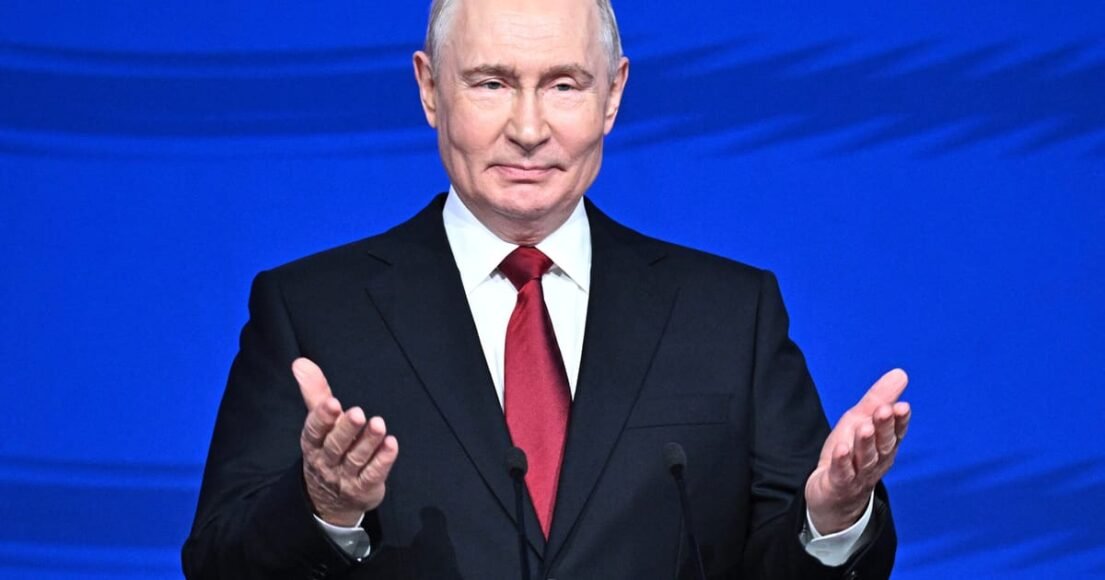
Putin Approves 72-Hour Ceasefire with Kyiv Amid US Envoy Visit
Russian drone attacks on Ukrainian cities have increased in recent weeks. Meanwhile, Ukraine has ramped up its strikes on Russia’s oil infrastructure, achieving a monthly record for attacks since the war began in 2022.
A Russian ove

Leviticus and Prophecy: Models of Pastoral Care (2)
What defines a “prophet” in the context of pastoral care?
It’s not the Church’s recognized and canonized figure. While the term originates from the Bible, it holds a meaning closer to early Christianity’s monuments. Here, a prophet isn’t someone who predicts the future but embodies a creative spirit, seeking constant communion wi
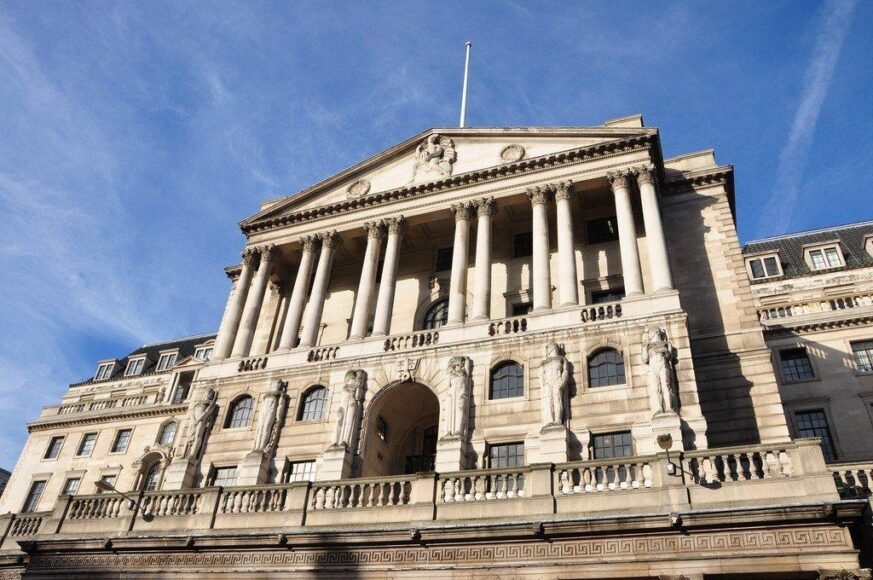
Bank of England’s Bailey Warns Rising Government Debt Poses Long-Term Risks, London
London, 4 September (Brussels Morning Newspaper) – Bank of England Governor Andrew Bailey has warned that long-term government debt pressures across advanced economies are being fuelled by weak productivity, ageing populations, major economic shocks and demands for increased defence spending, contributing to higher borrowing costs.
Bailey made the comments at a conference hosted by the London Sc

Europe Faces Autumn With Limited Gas Reserves
Uneven Gas Reserves Spark Price Concerns as EU Braces for Another Uncertain Winter
Europe is heading into the heating season with low gas reserves, increasing price pressure on households and industries, despite official assurances about supply security. The situation is especially concerning in Germany and the Netherlands, where storage levels are significantly lower than in several southern an

Ein Spaziergang mit Sahra Wagenknecht
Zwischen der AfD und den Altparteien ringt BSW um Sichtbarkeit und beklagt die mediale Blockade

Ukrainian Doctors Train in Antwerp for Kyiv Burn Centre Supported by Belgium
Antwerp (Brussels Morning Newspaper) – Doctors from Ukraine are acquiring practical experience in Antwerp under the auspices of a Belgian strategy which entails setting up a specific center in Ukraine, specifically in Kyiv, where burns could be effectively managed. This initiative was unveiled in mid-August, 2026 when a delegation paid a visit to Ukraine and included an investment of €10 million
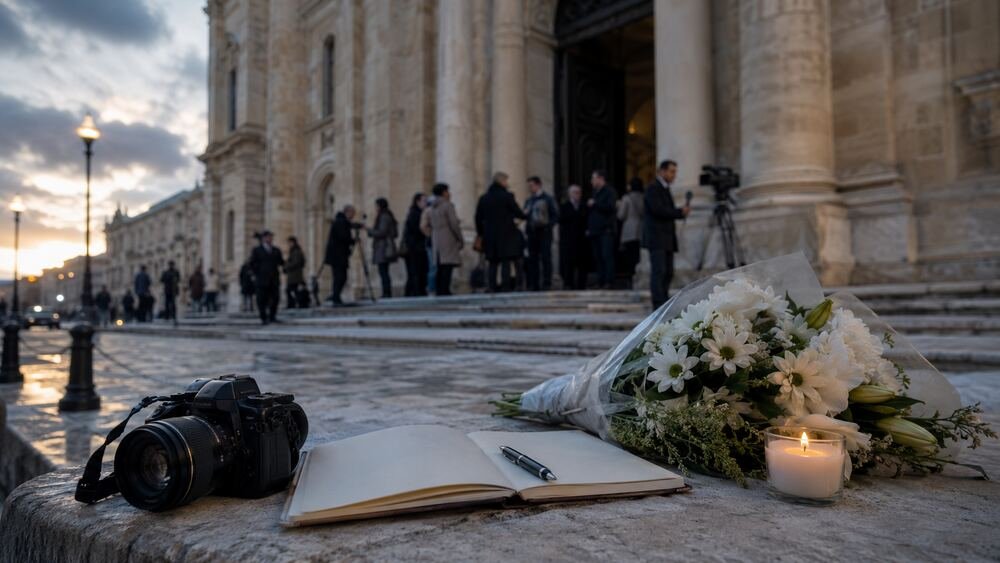
Acquittal in Malta Leaves Daphne Case Unresolved
Businessman Yorgen Fenech has been found not guilty by a Maltese jury of being complicit in the 2017 assassination of investigative journalist Daphne Caruana Galizia. Despite the verdict, which reflects a failure by prosecutors to convince t
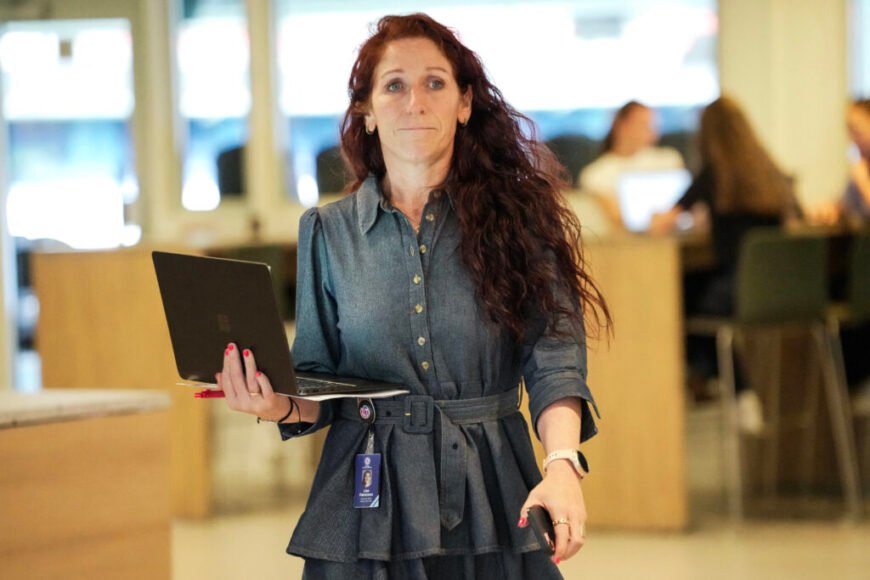
The Solo Crusader Against Gianni Infantino
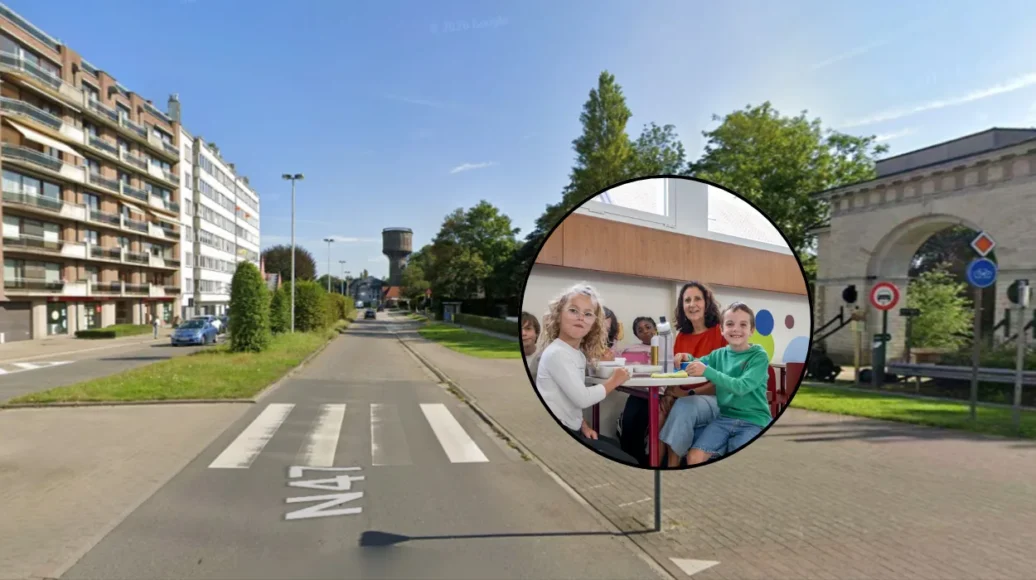
Visitatieschool Students to Use Renovated Cafeteria This School Year
Dendermonde (Eurotoday Newspaper) – Children at Visitatieschool will have lunch in the renovated refectory starting this school year, marking a significant improvement in daily school life for students and staff alike. The announcement comes as schools across Belgium reopen following summer break, with infrastructure upgrades taking centre stage in efforts to enhance the learning environment.
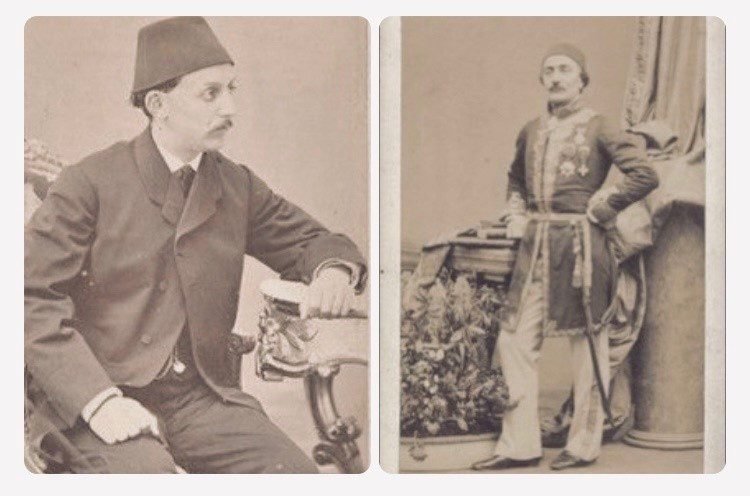
Were All Ottoman Sultans Followers of Sufism?
Early Period
Osman I and his son Orhan were members of the Vefâiyye sufi order led by the legendary grandmaster Edebâlî.
Murad I the Benevolent was a follower of the mystic Seyyid Mehmed Hammârî of Tabriz.
Bayezid I the Thunderbolt was a disciple of the Nurbakhshiyye order grandmaster Emir Sultan.
Mehmed I the Prince followed the Zeyniyye order’s leader Molla Fenari.
Murad II was a Mevlevî under
Leave a Reply