


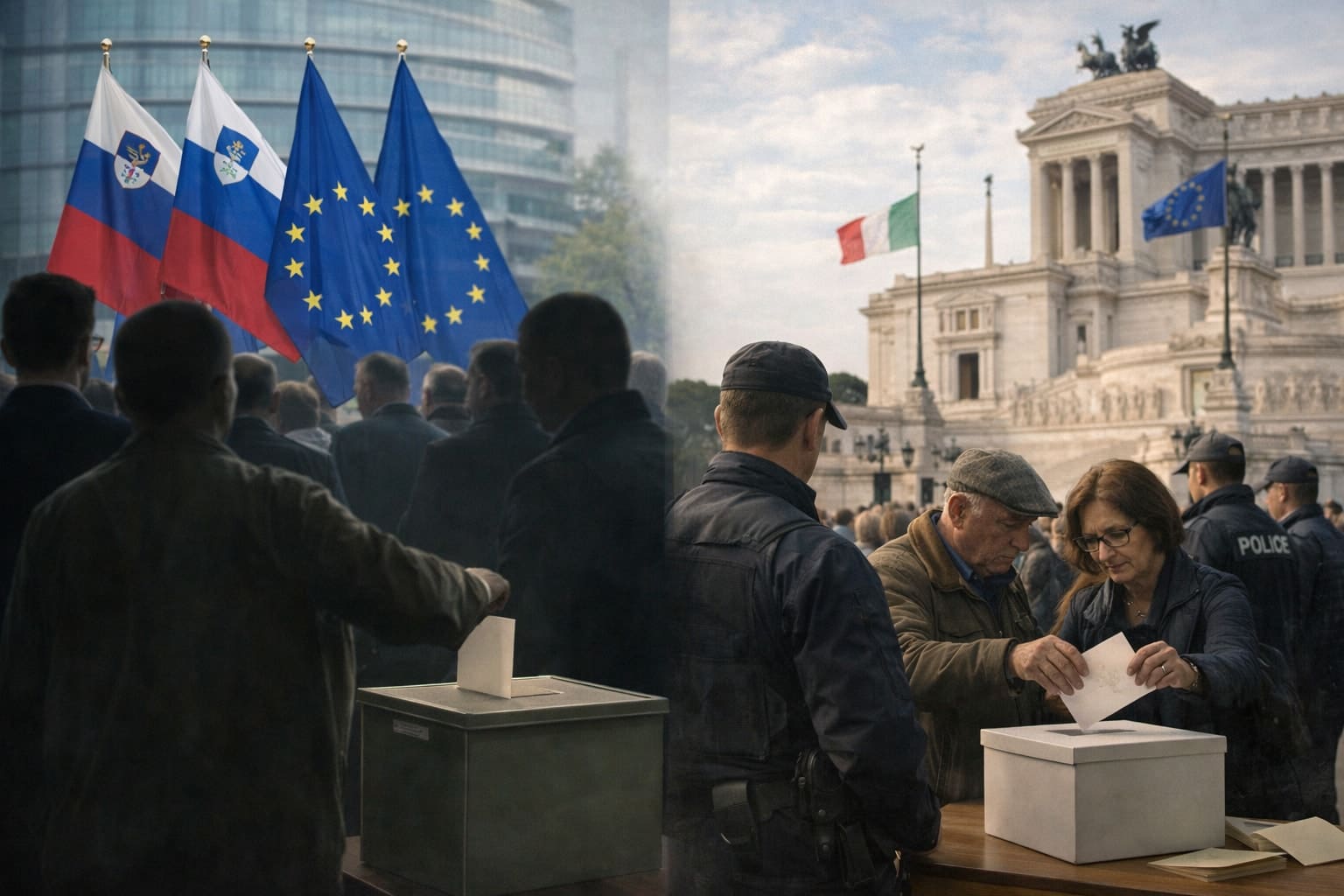
The political scene in Europe is experiencing noteworthy changes with Slovenia’s liberal leader Robert Golob achieving a narrow win in recent parliamentary elections. This occurs as Italy nears the end of a critical referendum that could transform its judiciary system, both of which have major implications for the EU’s political landscape.
Slovenia’s Liberals Achieve Narrow Win
In Slovenia, the liberal leader Robert Golob claimed victory in the weekend’s parliamentary elections. With 99.85% of votes counted, Golob’s party, Gibanje Svoboda (The Freedom Movement), secured 28.62% of the vote, just ahead of the populist conservatives led by Janez Janša, who obtained 27.95%. This translates to 29 seats for Golob’s party versus Janša’s 28 seats, according to AFP.
The result is perceived as a relief for Brussels, given Golob’s pro-EU orientation. He is now positioned to lead talks for forming the next government—a challenging task due to the close results and diverse political scene in Slovenia. In Ljubljana, Golob thanked his supporters and invited other parties to discuss forming a coalition government. “Since we have received the (people’s) confidence, now we can think about going forward under a free sun,” he said.
Italy’s Referendum: Government Test
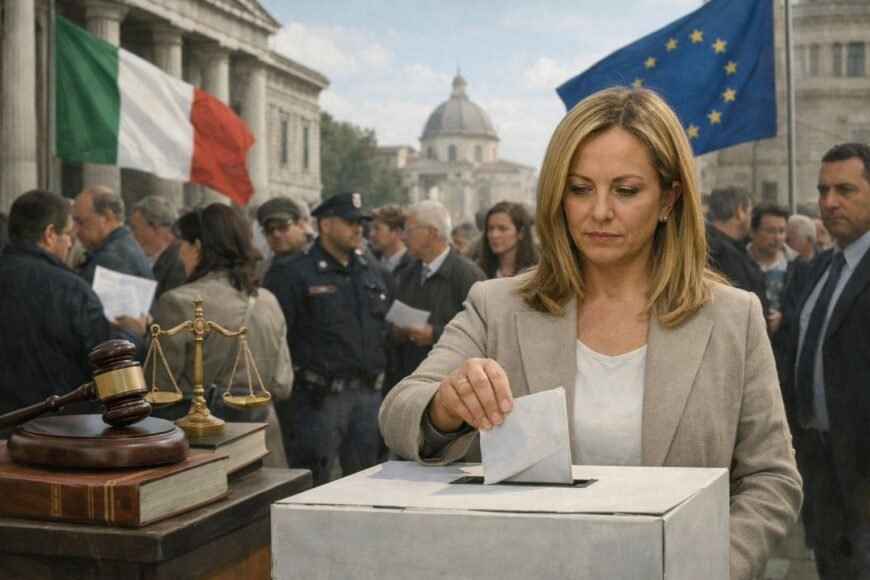
In Italy, a national referendum is concluding, focused on amending the post-fascism constitution to reform the judiciary system. Polling stations will close at 2 pm UK time (3 pm local), ending what is seen not just as a technical vote but a de facto confidence measure on the current government.
The referendum seeks approval for changes significantly affecting justice administration in Italy. Despite being a complex ballot issue, it has broader political significance as an indicator of government support ahead of the 2027 general elections. Early reports suggest that over 46% of voters had participated by Sunday evening, hinting at possible support for the “yes” campaign.
Broader Implications Across Europe
Outcomes in Slovenia and Italy are part of broader European political shifts. In France, Socialist Emmanuel Grégoire became mayor of Paris as Marine Le Pen’s National Rally failed to win key cities in the second round of local elections. In Germany, Chancellor Friedrich Merz’s Christian Democrats claimed victory in Rhineland-Palatinate, taking control from the Social Democrats.
These developments highlight changing alliances and evolving political sentiments across Europe. The Slovenian election results may boost pro-EU feelings amidst rising populism. Italy’s referendum could either consolidate or challenge the current government’s stance.
As these outcomes unfold, they will likely impact policy directions at national and EU levels. Slovenia’s potential coalition talks will draw attention from EU diplomats eager to maintain stability within member states. Italy’s referendum results will be crucial for determining judicial reforms and future political debates leading up to the next general election.
With Denmark also set to vote tomorrow and other European nations preparing for various elections throughout the year, 2026 promises significant political realignment in Europe, shaping discussions on EU integration, sovereignty, and responses to global issues like economic recovery and security.





Leave a Reply