


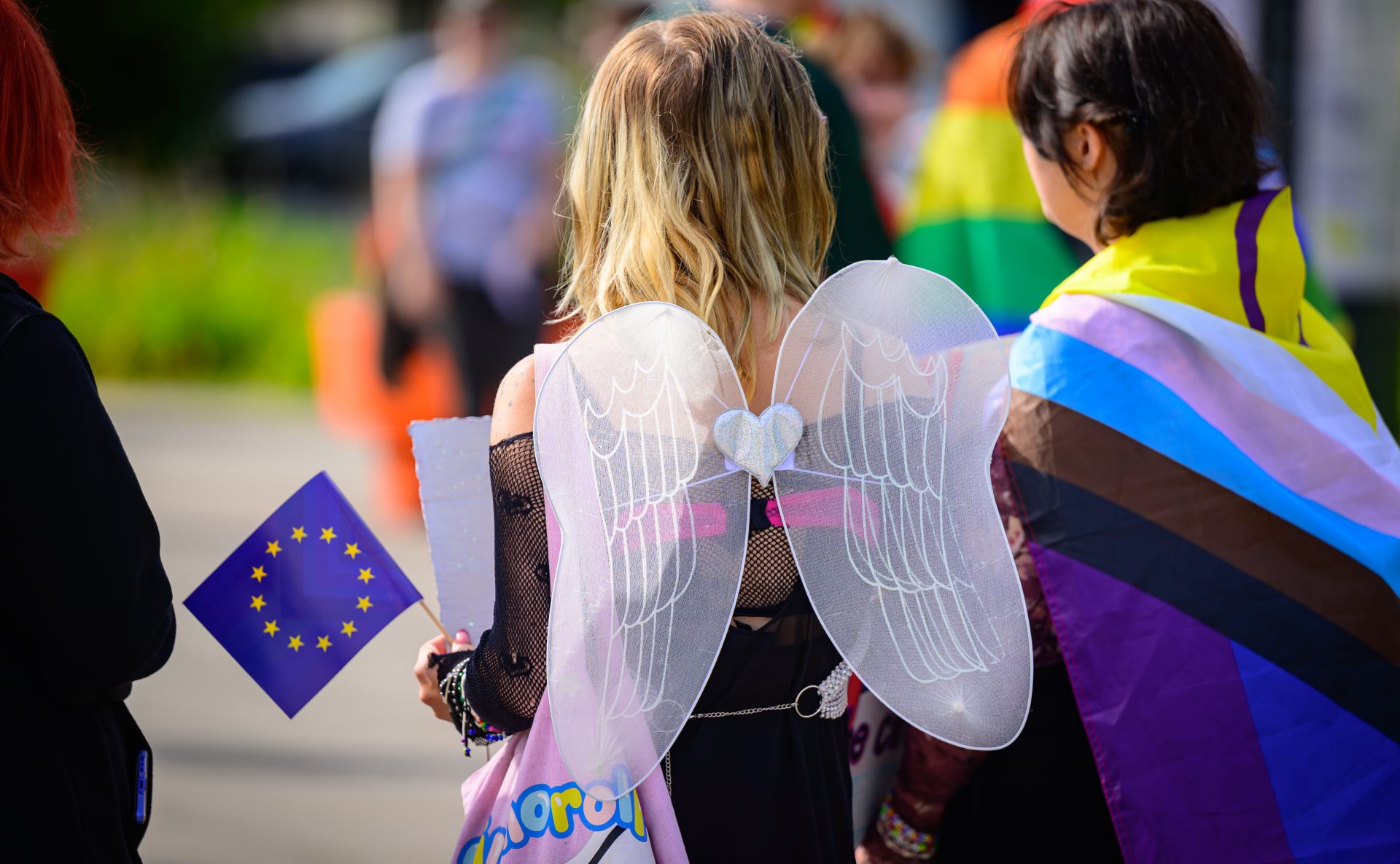
The legal environment for LGBTIQ+ individuals in Europe remains inconsistent, with rights increasingly under threat in various member states. Disparities in marriage and civil union laws, along with new legal limitations in certain countries, challenge the EU’s commitment to equality.
Recent developments in Slovakia mark a significant setback for LGBTIQ+ rights. An amendment to the Slovak Constitution, effective November 1, asserts that the country “recognizes only two sexes, male and female.”
This change restricts adoption to married couples, thereby excluding same-sex couples, as same-sex marriage remains illegal in Slovakia. Surrogacy is also specifically prohibited.
The Slovak Constitution already defined marriage as a union between a man and a woman in a 2014 amendment while Prime Minister Robert Fico was in office.
This new amendment prioritizes national law over EU law, asserting Slovakia’s “sovereignty” in “cultural and ethical matters” as superior to European legislation.
Fico, who resumed power in 2023, has frequently clashed with the EU. Critics warn that this constitutional reform could lead to conflicts with European treaty obligations. The Venice Commission, an advisory body of the Council of Europe, reportedly expressed concerns regarding the reform prior to the vote.
The Slovak Public Defender of Human Rights, Róbert Dobrovodský, remarked that this reform “does not pave the way for a more just and humane society” and highlighted that questioning the supremacy of fundamental rights outlined in international agreements and EU law undermines legal security, especially for minorities.
LGBTIQ+ is an inclusive term that represents a diverse range of sexual orientations and gender identities, encompassing Lesbians, Gays, Bisexuals, Transgender individuals, Intersex people, Queers/Questioning, and others denoted by the +.
Hungary also faces criticism for its regression in LGBTIQ+ rights, where Prime Minister Viktor Orbán has enforced restrictions under the guise of “child protection” and recently enacted laws aimed at banning pride marches.
Disparities in Marriage and Civil Union Rights
The legalization of marriage for all remains a contentious issue within the EU. While some nations have embraced it, others still impose strict regulations and face political impasses.
Denmark made history on October 1, 1989, by allowing same-sex couples to enter civil unions, granting legal recognition without marriage status. The Netherlands followed as the first country to legalize same-sex marriage in April 2001.
Since then, 21 other European countries, including 15 EU members, have enacted similar legislation: Andorra, Austria, Belgium, the United Kingdom, Denmark, Estonia, Finland, France, Germany, Greece, Iceland, Ireland, Luxembourg, Malta, Norway, Portugal, Slovenia, Spain, Sweden, Switzerland, and Liechtenstein.
Some countries have established civil unions for same-sex couples without legalizing marriage, including Italy, Hungary, Croatia, Cyprus, Latvia, the Czech Republic, and Monaco.
Marriage generally offers complete legal recognition, encompassing adoption, inheritance, and social benefits, whereas civil unions provide only partial benefits and can differ vastly from one country to another.
In Poland, civil union legalization proposals have faced intense scrutiny, not only under the previous Law and Justice party (PiS) government but also from the current leadership. From 2015 to 2023, the PiS government staunchly opposed any efforts to legalize civil unions, upholding a traditional Catholic viewpoint and denying additional rights to sexual minorities.
Prime Minister Donald Tusk‘s centrist party has pledged to legalize civil unions in a country that traditionally recognizes marriage solely between a man and a woman. Despite numerous unsuccessful attempts to legalize rights for LGBTIQ+ couples over the past two decades, the government introduced a bill in October to legalize civil unions, termed the “closest parents law,” which would extend certain rights without allowing adoption.
In the Czech Republic, same-sex couples can enter registered partnerships but cannot marry, with such arrangements available since July 2006. Participants in Prague Pride have reported that LGBTIQ+ individuals still lack equal rights compared to other citizens.
Bulgaria also does not recognize same-sex marriages performed abroad. While discrimination based on sexual orientation is illegal, the absence of









Leave a Reply