



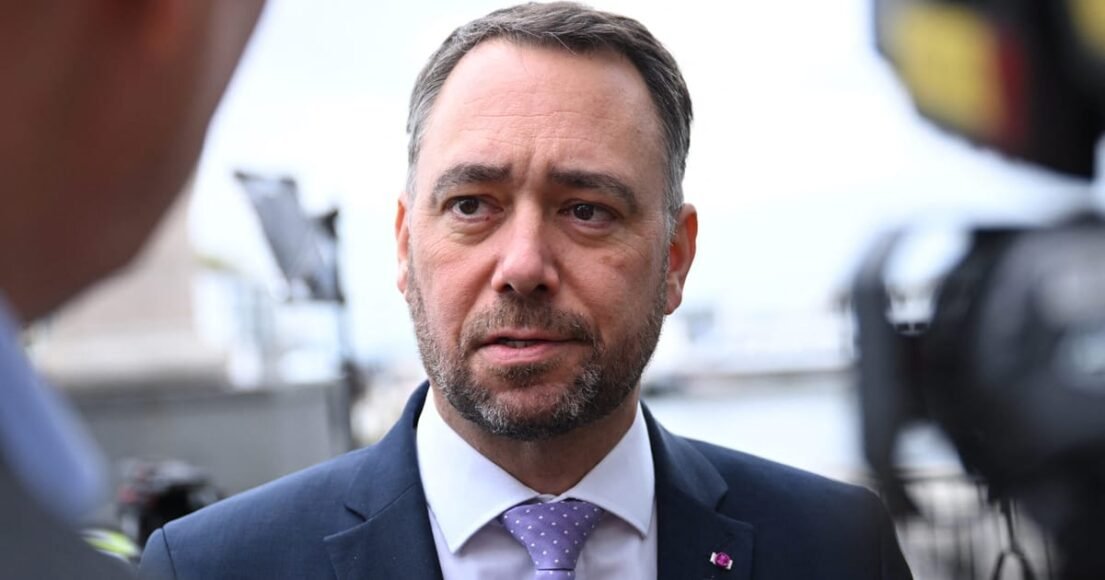
Brussels – The European Commission (EC) has expressed strong opposition to the concept of reciprocal tariffs, as announced by U.S. President Donald Trump on Wednesday. The implementation of these tariffs could potentially cost EU countries up to 380 billion euros annually. This statement was made on Friday by European Commissioner for Trade and Economic Security, Maroš Šefčovič, just before further negotiations with American representatives, according to TASR’s Brussels correspondent.
Šefčovič emphasized that the proposed tariffs would signify a significant disruption to the global economy and severely compromise the foundations of the international trading system. “For Europe, this translates to reciprocal tariffs on goods amounting to 380 billion euros, which represents over seventy percent of our exports to the U.S.,” he elaborated.
He cautioned that while the U.S. collected seven billion euros in tariffs last year, this figure could escalate to 81 billion euros under the new tariffs, marking an eleven-fold increase. He further mentioned that a substantial portion of EU goods would seek markets outside the U.S., necessitating negotiations with the U.S. while simultaneously preparing for countermeasures.
The Union’s planned countermeasures, totaling over 20 billion euros, will encompass a variety of goods, including those from the agriculture and machinery sectors. A final list of these goods is expected to be approved by trade ministers from the member states during a meeting in Luxembourg on Monday (April 7).
“We aim to have a comprehensive discussion with the trade ministers focusing on the need for unity and a coordinated approach in Europe. This will help the U.S. understand that we have considerable public support for these drastic measures,” he stated.
According to Šefčovič, the list of tariffs and countries presented by Trump is unexpected, and the calculations of tariff amounts appear illogical. Notably, Russia is absent from the list, which he attributes to the U.S. trade sanctions against the country. “Reactions worldwide are overwhelmingly negative, impacting the business environment and financial markets,” he warned.
This situation underscores the need for the EU to enhance its communication with other nations. While the U.S. constitutes 15% of global trade, the rest of the world accounts for 75%, and the EU aims to continue trading under the previous global order, ensuring predictability in trade in accordance with international law.
Šefčovič noted that he has received calls from trade ministers across the globe, highlighting the importance of the EU pursuing an assertive trade policy to establish new agreements. For instance, he mentioned the willingness of Mercosur countries to reduce tariffs from 35% to zero, a concession that the EU also extended to the American side, which was not reciprocated. (April 4)
“For Europe, this means that reciprocal tariffs will be imposed on goods worth 380 billion euros, which is more than seventy percent of our exports to America,”
Maroš Šefčovič







Leave a Reply