


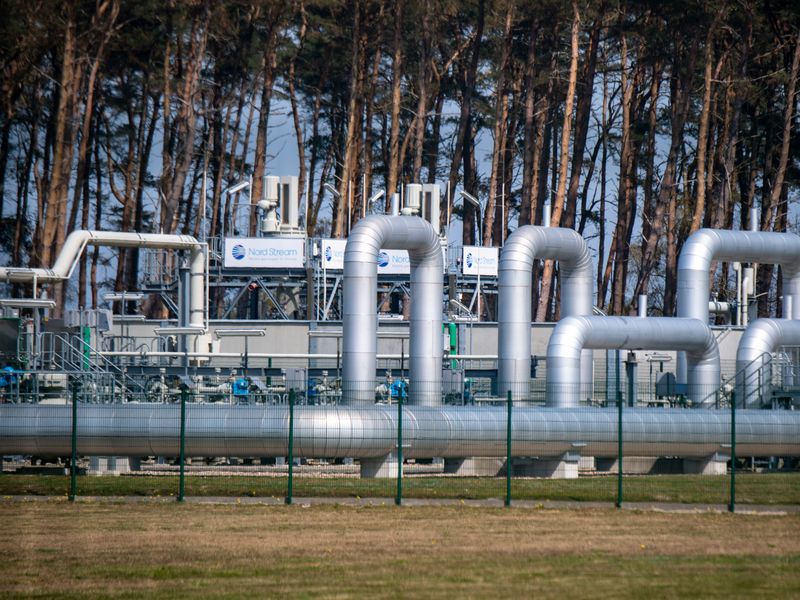
Currently, the gas pipeline linking Russia and Germany is inactive. However, repairs for Nord Stream 1 are possible, and a license for Nord Stream 2 can be pursued. Nevertheless, European Union sanctions will dampen any future interest in these pipelines, stated European Commission spokesperson Paula Pinho on Friday.
Pinho, speaking from Brussels, referenced the 18th sanctions package unveiled by European Commission President Ursula von der Leyen, which aims to prohibit the operation of both Nord Stream 1 (NS1) and Nord Stream 2 (NS2).
In response to a question about the rationale behind these sanctions on non-operational pipelines, Pinho remarked, “Why sanction something that isn’t functioning today? Because we can never predict what may happen in the future.”
Following Russia’s invasion of Ukraine in February 2022, Germany made the decision to halt the launch of NS2, which was completed at that time. The certification process for the pipeline was suspended, preventing it from receiving operational approval.
Regarding NS1, Russia ceased gas supplies through the pipeline in August 2022.
Pinho noted that several weeks later, explosions damaged both lines of NS1 and one of the two lines of NS2. In January, Denmark permitted repairs on the damaged line of NS2 to mitigate gas leaks.
The Swiss company that constructed and was supposed to operate the pipeline is fully owned by the Russian entity Gazprom. Recently, a Swiss court revealed that the consortium had reached an agreement with its creditors and would restructure, thus avoiding bankruptcy.
“NS1 can be repaired. NS2 could theoretically obtain a license. The goal is to dissuade any potential investors and parties from engaging in future activities related to these pipelines,” Pinho highlighted.
In her remarks on Friday, Commission President von der Leyen also indicated that the EC would propose lowering the price cap on Russian oil. The current ceiling of $60 per barrel, established by the G7, which includes the U.S., is aimed at further diminishing Russia’s revenue from oil sales.
When asked whether the U.S. agrees with lowering the price cap on Russian oil, Pinho stated that the EU would collaborate with international partners on this matter.
Pinho also indicated that the announcement of the 18th sanctions package fulfills a promise made on May 10 in Kyiv by European leaders, including Prime Minister Donald Tusk, who threatened sanctions should Russia reject their proposal for a 30-day ceasefire in Ukraine.
Despite Russian President Vladimir Putin dismissing the call for a ceasefire, Pinho explained that the EU delayed the announcement of the new sanctions package due to a meeting proposed by Putin with Ukrainian President Volodymyr Zelensky, which he ultimately did not attend. “Thus, today we are announcing further measures,” she asserted.
Among the measures mentioned by von der Leyen are restrictions on the Russian financial sector and the addition of more Russian vessels to the sanctions blacklist, targeting those transporting oil as part of a shadow fleet that aids Russia in selling oil above the imposed price limits.
Next week, EU foreign ministers are expected to finalize approval of the 17th sanctions package, which will mark the second package negotiated during Poland’s presidency of the EU Council. (05.16.2025)







Leave a Reply