


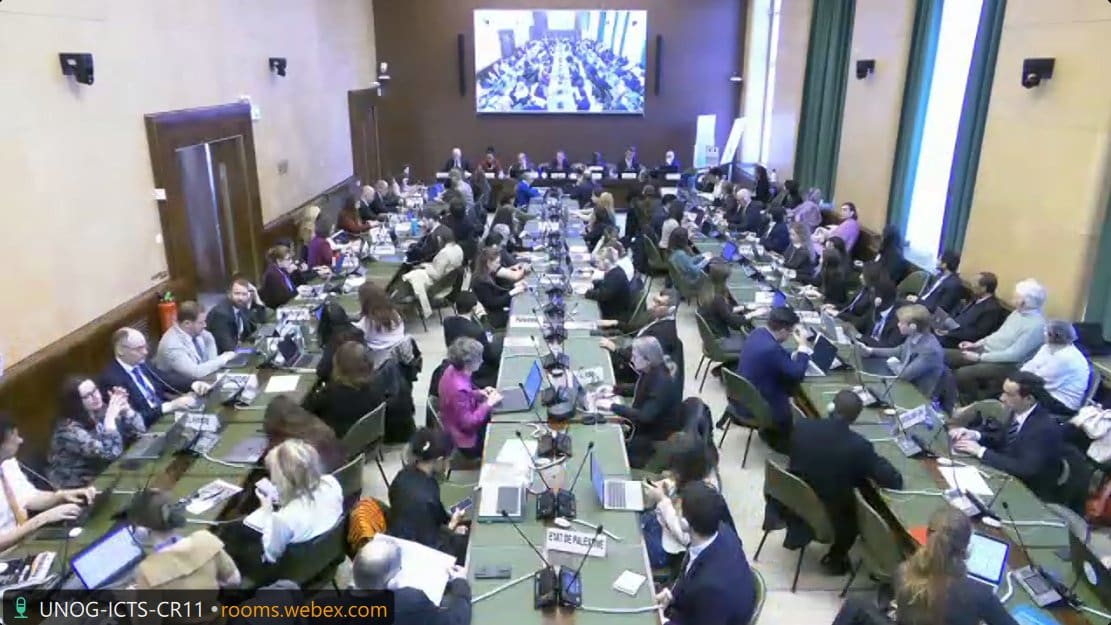
GENEVA, March — On a Tuesday morning in the pristine halls of the Palais des Nations, a side event was held parallel to the 61st session of the Human Rights Council. The gathering, marked by a serious atmosphere, included diplomatic delegations, international organizations’ representatives, and human rights experts. The focus wasn’t a new conflict but the gradual administrative undermining of entities meant to hold power accountable.
The event launched the analysis “Safeguarding Civil Society Space at the United Nations,” authored by Patrizia Scannella and published by Friedrich-Ebert-Stiftung in collaboration with the International Commission of Jurists. The discussion centered on the alarming mechanisms eroding civil society’s participation, rather than its established necessity.
Panelists emphasized the vital role of civil society at the UN, warning that without independent voices, the UN could become an echo chamber for state power, risking its human rights credibility.
Scannella’s publication outlines the organization’s strain amid rising authoritarianism and internal identity crises. It highlights restrictive trends: reprisals against UN collaborators, access-limiting administrative hurdles, and a hostile financial environment for independent advocacy.
This erosion threatens the core of the UN’s founding treaties. The Universal Declaration of Human Rights and the International Covenant on Civil and Political Rights rely on civil society’s monitoring. When procedural barriers arise, they violate states’ obligations to respect these covenants.
The report critiques the UN80 initiative, arguing that it masks a contraction under the guise of efficiency. The drive for efficiency, detached from effectiveness and human rights protection, risks hollowing out the institution’s core functions.
The financial context reveals a global resource shift. While military spending reached a record USD 2,718 billion in 2024, human rights funding is declining, with a projected 28% drop in Official Development Assistance by 2026. USAID fund freezes have exacerbated the crisis, leaving civil society organizations struggling to sustain operations or travel to Geneva.
This financial strangulation affects justice machinery, resulting in session cancellations, report delays, and empty conference chairs. Though justified by budgets, it typifies systemic failure. Human rights mechanisms are the least funded, and further cuts would cripple their victim-support role.
Speakers warned that protecting civic space safeguards the UN human rights system’s credibility. As Santiago Canton of the ICJ remarked, disconnecting the alarm bell may render the fire unnoticed. The silence wasn’t peace, but a system anticipating the shrinking space for dissent and accountability.
The report calls for courage and leadership to reverse these trends. It reminds diplomats that while preserving civil society is costly, losing it—along with legitimacy, accountability, and dignity—is a cost the multilateral system cannot bear. As the UN nears its 80th anniversary, it must choose between a streamlined, state-power echo or a vibrant, inclusive human rights forum, a decision shaping global governance’s future.




Leave a Reply