


Elly Schlein, leader of the opposition Democratic Party, expressed confidence in defeating Meloni in the next general election, highlighting the significant and unexpected democratic participation as a clear message to the current government to focus on the country’s actual priorities.
Former Prime Minister Giuseppe Conte, leader of the populist 5Star Movement, welcomed “a new spring and a new political season.” Angelo Bonelli, leader of the Greens and Left Alliance, remarked that the results showed a majority opposition against the government.
‘Parallel mafia’
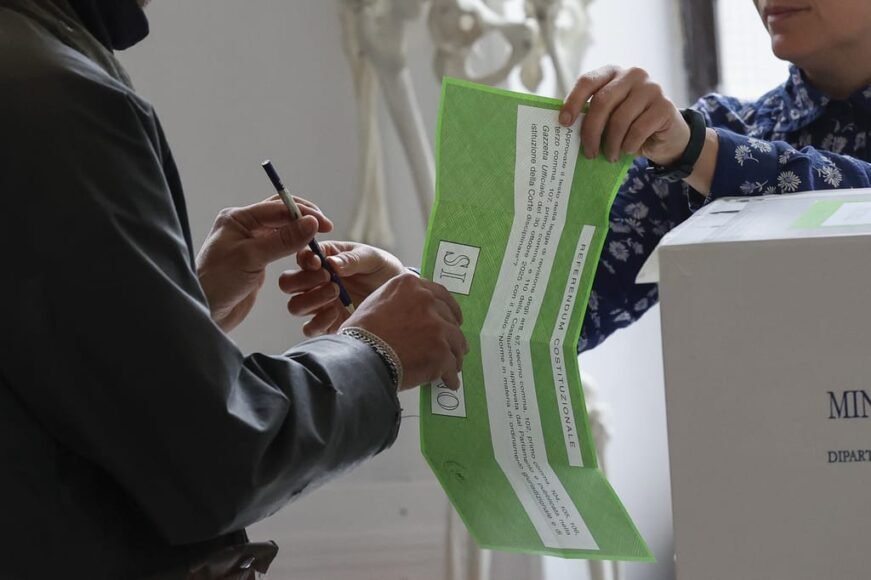
The referendum focused on reforms regarding the governance and discipline of judges and prosecutors, including changes to career paths and oversight bodies. The government presented the reforms as needed to rectify a system hindered by politicized legal factions that block implementation of policies on migration and security. Justice Minister Carlo Nordio referred to prosecutors as a “parallel mafia,” and his chief of staff likened part of the judiciary to “an execution squad.”
Meloni’s opponents saw the failed reforms as an effort to undermine an independent judiciary and consolidate power, turning the vote into a political struggle that united opposition parties.
The confrontation has deep historical roots. The 1990s Mani Pulite investigations eradicated a political class and left a legacy of distrust between politicians and the judiciary. The right often accused judges of a left-wing vendetta.
Under Meloni’s leadership, tensions have reemerged, with the government accusing courts of obstructing efforts to combat migration and criminality.






Leave a Reply