


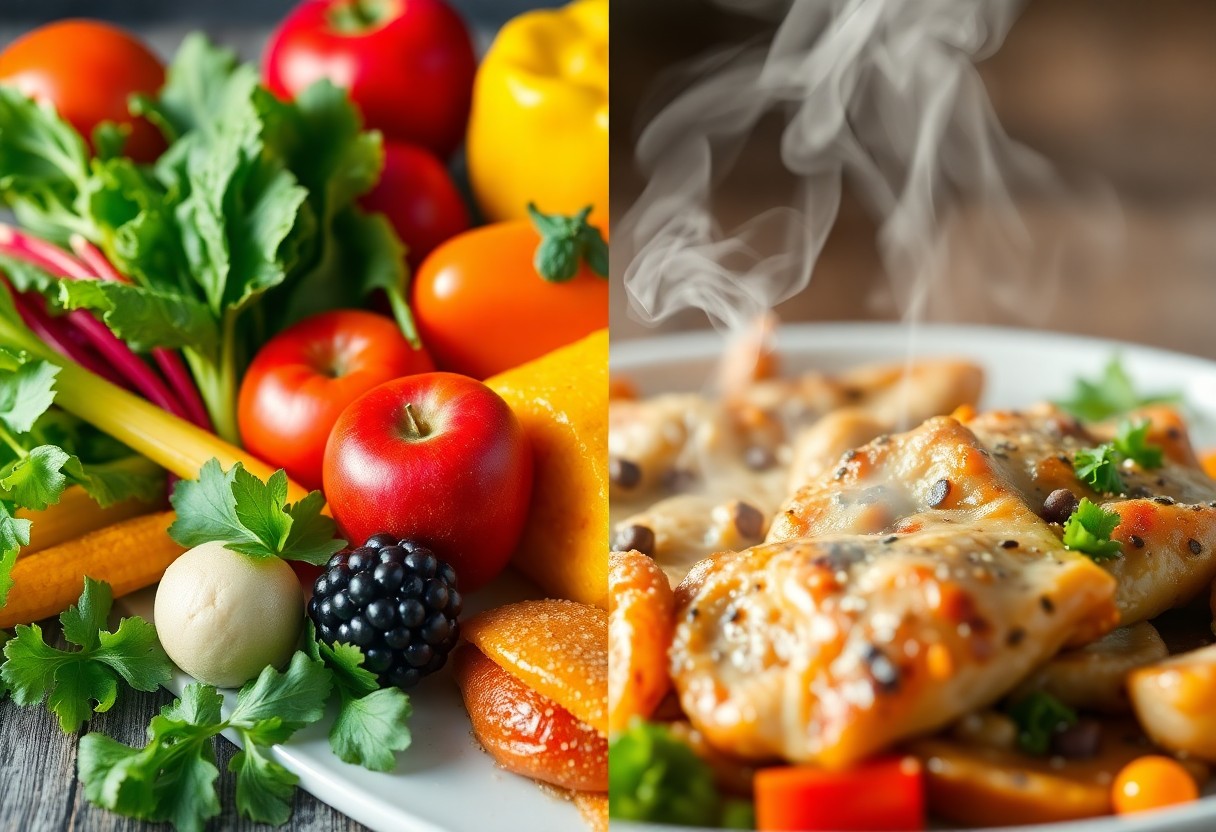
Food Preparation Debate: Raw vs. Cooked – A Comprehensive Look
In the ongoing discussion surrounding food preparation, people often weigh the benefits and drawbacks of consuming food in its raw versus cooked form. Those in favor of raw foods argue that minimal processing helps preserve essential nutrients and enzymes. On the other hand, proponents of cooking emphasize its role in enhancing flavor, improving digestibility, and eliminating harmful pathogens, thus reducing the risk of foodborne illnesses. This article explores both sides of the debate, focusing on nutritional value, safety, taste, cultural practices, and environmental impact to provide a well-rounded perspective.
Key Points
– Raw foods often contain higher levels of water-soluble nutrients and enzymes that may be diminished through heat exposure.
– Cooking helps eliminate harmful bacteria and parasites, making food safer to consume.
– Cooking certain vegetables, such as tomatoes and carrots, can increase the bioavailability of beneficial compounds like lycopene and beta-carotene.
– Individual dietary needs, health concerns, and lifestyle preferences play a major role in determining whether raw or cooked foods are more suitable.
– An optimal diet may include a balance of raw and cooked foods to meet nutritional and culinary goals.
The Science Behind Cooking
Food preparation is more than just a culinary art—it’s a scientific process. Heat causes chemical reactions that change the texture, flavor, and nutritional composition of food. Techniques like steaming, sautéing, and roasting transform proteins and carbohydrates while unlocking or diminishing different nutrients. Understanding these processes can help people tailor cooking methods to better support health and taste preferences.
Nutrient Retention
Various cooking techniques impact how well foods retain their nutrients. For example, boiling can leach water-soluble vitamins like B-complex and vitamin C into the cooking water, whereas steaming tends to preserve them. Temperature and cooking duration further influence how nutrients are affected.
Food Safety Concerns
Raw foods—especially animal products—pose a higher risk for contamination with bacteria like Salmonella and E. coli. Cooking these items to the correct internal temperature is essential for reducing the likelihood of foodborne illnesses. While raw-food diets are gaining interest, they must be approached with knowledge and caution to ensure safety.
Raw Foodism: Pros and Cons
Supporters of raw foodism believe that eating unprocessed foods improves digestion, energy levels, and overall wellness. The diet typically includes fresh fruits, vegetables, nuts, and seeds. While it may offer certain health advantages, it also carries risks such as nutrient deficiencies—particularly in protein, iron, calcium, and vitamin B12—which are more bioavailable in cooked or fortified foods. Safety is another concern, as raw foods can harbor harmful organisms and toxins.
The Role of Cooking Techniques
Cooking methods matter just as much as the decision to cook or not. Some approaches, such as grilling or roasting, enhance flavors through the Maillard reaction and caramelization, while others like boiling may diminish taste and nutrient content. Selecting the right method can help retain both flavor and nutrition:
– Steaming preserves nutrients and moisture.
– Sautéing adds flavor but may introduce fats.
– Grilling creates complex flavors but can produce harmful compounds if not done carefully.
Flavor Development
Heat transforms food not only nutritionally but also organoleptically—affecting aroma, taste, and texture. Techniques like caramelization and browning bring out richer, more appealing flavors, offering a sensory experience that raw foods often lack.
Cultural Perspectives
Cultural attitudes toward raw and cooked foods vary widely. In Japan, raw preparations like sushi and sashimi are traditional staples. In contrast, many cultures prioritize cooking for safety and tradition. This divergence reflects historical practices, climate considerations, and beliefs about health. As global cuisine evolves, many societies now blend traditional raw dishes with modern cooking methods.
Environmental Impact
Food preparation methods also influence sustainability. Raw food diets typically require fewer resources, generating a smaller environmental footprint. Cooking, however, uses energy and water, contributing to emissions depending on the method and equipment. Choosing energy-efficient appliances and shorter cooking times can reduce environmental impact.
Energy Use in the Kitchen
Cooking consumes energy—appliances like ovens and stovetops run on electricity or gas. Methods like microwaving or steaming are generally more energy-efficient compared to baking or frying. Being mindful about appliance use and choosing eco-friendly techniques can significantly reduce one’s carbon footprint.
Personal Preferences and Lifestyle Choices
Individual taste, health goals, and ethical considerations all shape food choices. Some prefer the crisp textures and bright flavors of raw foods, while others enjoy the warmth and complexity that cooked dishes bring. Dietary plans like veganism, paleo, or high-protein regimens further influence preferences.
Taste and Enjoyment
Texture and taste vary between raw and cooked foods. Raw options offer freshness and crunch, while cooked meals provide depth and comfort. Exploring different methods expands culinary horizons and enhances meal satisfaction.
Ethical Considerations
Many people choose their food preparation style based on ethics related to animal welfare, sustainability, and food sourcing. Raw











Leave a Reply