


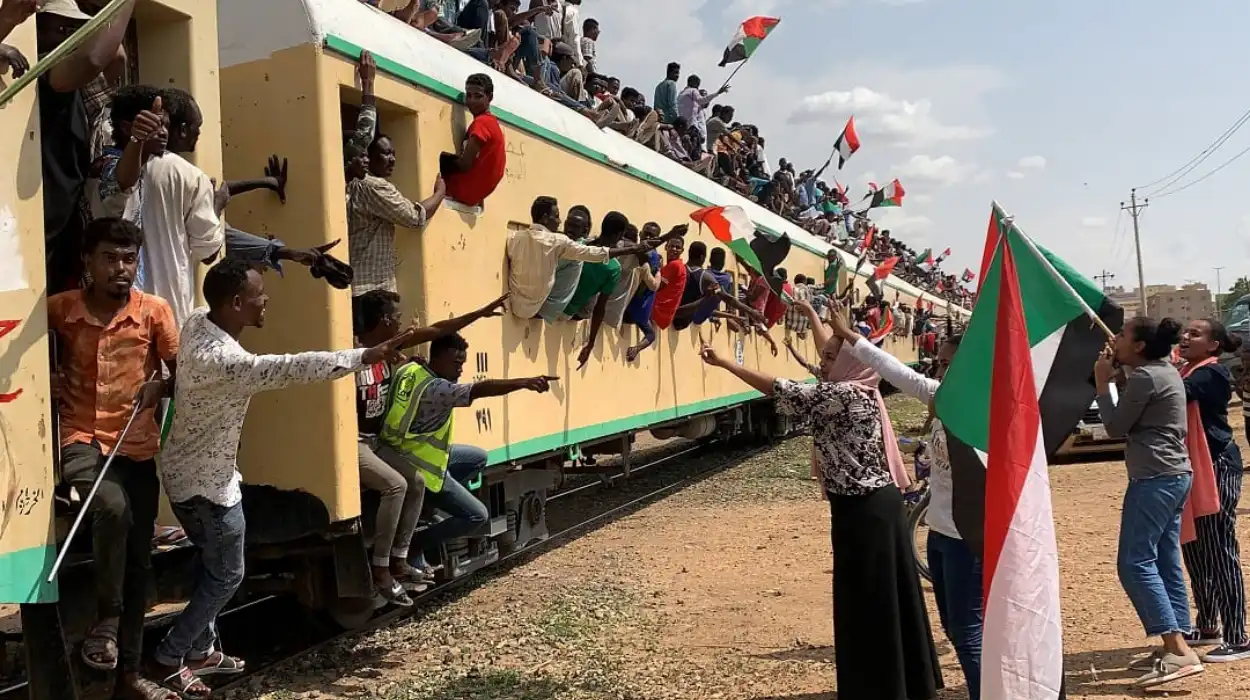
Recent events have led to fresh calls for the U.S. and its Arab allies should step up efforts to halt the carnage.
Leading such demands is the International Crisis Group (ICG), an independent organisation working to prevent wars.
Its work is urgently needed as the world is confronted with both new and chronic existing conflicts – and none more so than in Sudan.
The ICG, a highly respected NGO, says
“Sudan’s ugly civil war, already marked by famine and atrocities, recently “reached a new low.”
It says: On 26 October, the paramilitary Rapid Support Forces (RSF) overran El Fasher, the last remaining stronghold of its rival, the Sudanese army, in the country’s western Darfur region. What followed was apparent mass slaughter by the RSF, often caught on video.”
“The paramilitary group trapped civilians inside the city and then proceeded to mow people down – killing some at gunpoint and detaining, torturing and raping many others. Some estimate that the death toll is in the thousands.”
The International Criminal Court has now “given notice” that it is taking steps to preserve and collect evidence for use in future prosecutions.
The ICG, founded in 1995, says the El Fasher “bloodletting” follows two-plus years of international “dereliction” in a war that has been
“alternately fed and left to fester by outside actors.”
It goes on,
“Washington in particular has failed to give the conflict the attention it needs, its gaze having been drawn to crises in Ukraine and Gaza.”
But perhaps that is changing, adds the ICG.
For several months, the U.S. has been putting more diplomatic energy into peacemaking “and the El Fasher massacres may boost its interest yet more.”
Reports suggest that President Donald Trump himself was appalled at the footage of the violence. On 12 November, U.S. Secretary of State Marco Rubio spoke in unusually blunt terms about the war.
He also said external support for the paramilitary
“needs to stop”.
The ICG, which is headquartered in Brussels, says,
“Whether the atrocities will prove a genuinely galvanising moment depends to a great extent on what Washington does now. If it follows through on its heightened rhetoric, and throws its full weight behind ending the fighting, then it could make a real difference.”
The focal point of its efforts should, argues the ICG, be the truce proposal that the so-called Quad, comprising Egypt, Saudi Arabia, the UAE and the U.S., has put on the table.
Progress, as the ICG states, has proven elusive to date.
The RSF has accepted the proposal (while continuing to fight), and the Sudanese army’s embattled leader, General Abdel Fattah al-Burhan, is still reviewing it.
“To get to a truce and make it stick, the Trump administration will simultaneously have to persuade Burhan to take the deal, over











Leave a Reply