



Transport remains Europe’s most significant climate challenge. Despite rail being a low-emission option for transporting people and goods, Europe’s dependency on road transport continues to keep greenhouse gas and pollutant emissions high, as highlighted in a report published by the European Environment Agency.
Transport plays a crucial role in modern society and the European economy, providing over 10 million jobs and contributing approximately 5% of the EU’s GDP. However, it is the only major sector where greenhouse gas emissions have risen since 1990. In 2023, transport made up about a third of total EU greenhouse gas emissions, with road transport being the primary contributor, according to the “Sustainability of Europe’s Mobility Systems 2025” report, released today.
Reaching the EU’s aims — such as climate neutrality by 2050 and the Zero Pollution targets for 2030 — demands continued efforts. Despite advances in reducing exhaust emissions over past years, transport still poses considerable challenges to the environment and human health. Reducing emissions of certain pollutants, including ammonia (NH3) and nitrous oxide (N2O), remains challenging, while noise pollution from transport continues to impact millions across Europe.
Road transport continues to dominate both passenger and freight travel. Passenger cars represent around 72% of Europe’s transport activity, with public transport not significantly increasing its share. In 2023, road transport was responsible for nearly three quarters of transport-related greenhouse gas emissions, underscoring the sector’s ongoing reliance on fossil fuels, which provided over 90% of its energy use. Road traffic is also the leading source of transport-related noise, affecting approximately 90 million people in the EU with noise levels above established thresholds.
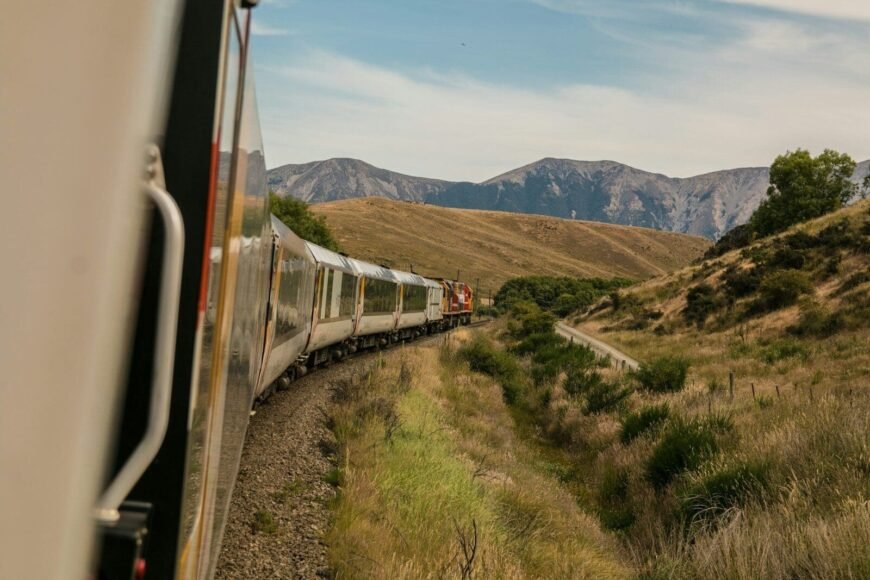
Conversely, rail transport offers high energy efficiency and low greenhouse gas and air pollutant emissions. It is one of the most effective means to reduce the environmental impact of transport, especially for medium- and long-distance travel. However, Europe’s rail system remains fragmented, and limited cross-border integration hampers its competitiveness against car and air travel. Freight rail traffic declined from 1995 to 2023, though demand is expected to rise in the next decade.
Looking forward, aviation and maritime transport are projected to constitute a growing share of Europe’s transport emissions. Their combined contribution is anticipated to increase from around a quarter of transport-related greenhouse gas emissions today to nearly half by 2050, highlighting the necessity for sustained action across all transport sectors.
The report concludes that achieving a sustainable transport system in Europe requires consistent public and private investment, continued innovation, and the effective implementation of existing legislation, including the revised Emissions Trading System (ETS) and the new ETS2, with strict standards for road transport, aviation, and maritime transport.
Making cleaner transport modes more accessible and appealing for both passengers and freight is crucial to reducing emissions, enhancing air quality, and reducing noise pollution throughout Europe.








Leave a Reply