


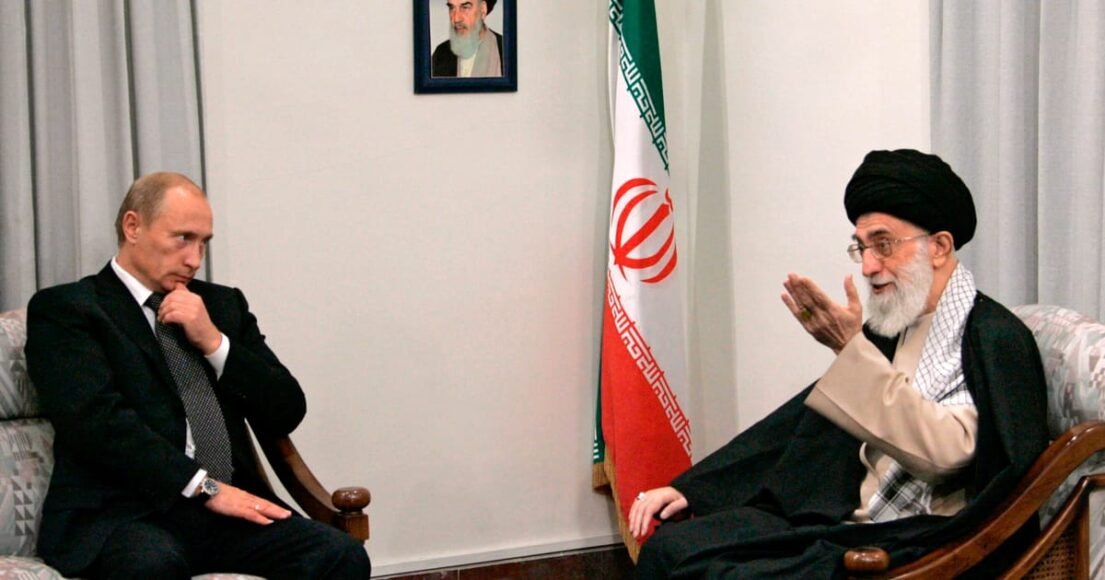
Iran has become the latest country, following Syria and Venezuela, to experience the realities of a partnership with Russia.
Since initiating its large-scale conflict in Ukraine four years ago, Russia has positioned itself as a champion of a multipolar world. However, when critical situations arose, its on-ground response in allied nations has been notably weak as their leaders faced attacks.
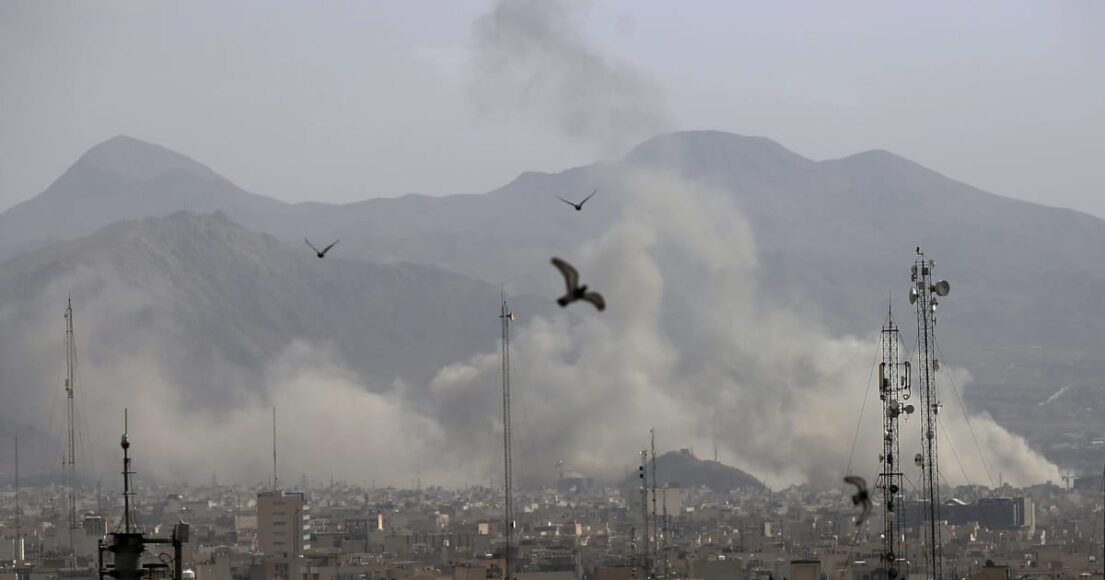
Bashar al-Assad of Syria realized in late 2024 that Russian support did not ensure the survival of his regime as rebels stormed into Damascus. Venezuela’s Nicolás Maduro, now in an American prison since early this year, may also question the absence of Kremlin support when he needed it most. Today, Iran’s Supreme Leader Ayatollah Ali Khamenei was killed in the assault on Tehran, announced U.S. President Donald Trump.
Iran appears poised to become the latest instance highlighting the gap between Russia’s grandiose claims against American dominance and the reality where that dominance is increasingly evident.
Symbolic support only
For Tehran, Moscow’s tepid response should not be unexpected.
The indications have been apparent since at least last summer, during a 12-day conflict with Israel involving a significant U.S. attack on Iranian nuclear sites, where top Russian officials offered condemnatory statements but took no substantive action.





Leave a Reply