




DFDS and university collaborations are developing digital solutions for more sustainable maritime freight transport.
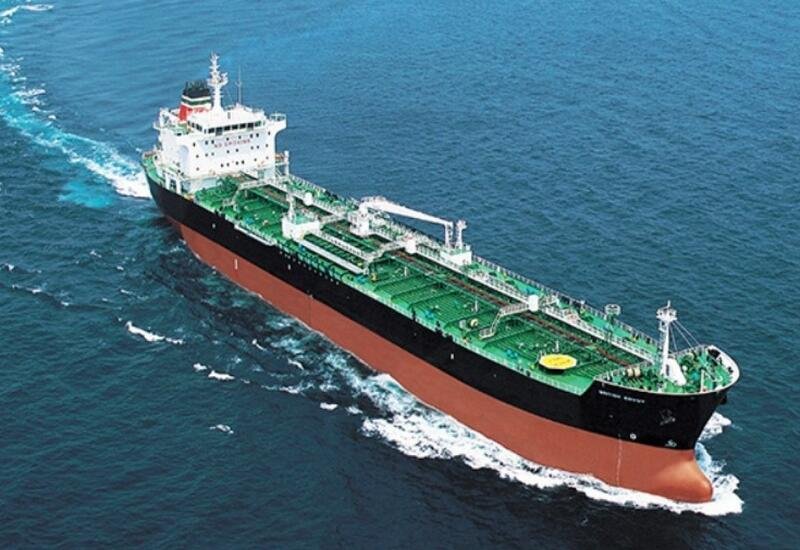
RoRo ship with cargo of trailers and containers. Image credit: DFDS
A recent collaboration involving DFDS, DTU, and several universities and companies focused on using digital tools to make trailer freight transport smarter and more eco-friendly.
Trailers, often seen behind lorries or at ports awaiting shipping, are unloaded from ships at their destination and picked up by new lorries to reach their final destination.
The ships used are called RoRo ships – short for Roll-on/Roll-off – because they have ramps for cargo to drive on and off, similar to a car ferry.
Optimizing Ship Loading with Mathematical Models
The collaboration tackled ship loading challenges. With RoRo transport, many trailers arrive at the port just before departure, making cargo weight and volume uncertain.
“Our research optimized RoRo ship loading through mathematical optimization, improving cargo placement for stability and efficient water positioning. Our model remains effective even if 60% of cargo is absent when loading begins,” says Professor Dario Pacino, DTU, project leader.
Researchers developed a comprehensive mathematical model for loading, accommodating numerous variables and constraints. The model optimizes cargo distribution, reducing reliance on ballast tanks, thus impacting fuel consumption and climate.
“Reducing ballast tank usage substantially impacts fuel consumption and climate,” says Dario Pacino.
The project explored artificial intelligence in planning. Despite initial challenges, incorporating AI into the solution is feasible, prompting continued efforts.
Birth of a Start-up
The project also explored port trailer identification for faster loading.
“Trailers lack standardized identification like containers, complicating identification,” says Head of Innovation & Partnerships Mads Bentzen Billesø, DFDS.
“Additionally, trailers often aren’t in assigned parking spots, leading to misplacement in the system.”
The collaboration yielded a solution, resulting in the start-up VizTrack. Researchers from the University of Tallinn developed software and a vehicle with cameras to find trailer ID numbers and locations in ports.
VizTrack’s solution, providing trailer location overviews, is now marketed worldwide.
Industrial PhD Focus on AI
The project also addressed reducing RoRo ship port time through simultaneous loading and unloading.
“New digital tools can expedite ship loading and unloading, optimizing tugmaster operations, reducing port idle time,” says Mads Bentzen Billesø.
An industrial PhD at DFDS will further develop AI integration in RoRo ship loading and unloading planning, bridging research and practical solutions.
“Longstanding collaborations with DTU and others ensure access to cutting-edge knowledge and research for new solutions,” explains Mads Bentzen Billesø.
Source: DTU
DFDS and university collaborations are developing digital solutions for more sustainable maritime freight transport.
Source link









Leave a Reply