


The Myanmar election has become one of the most closely watched political events in Southeast Asia as the country votes for the first time since the 2021 military coup. For the ruling generals, the vote is presented as a step toward restoring order and political normalcy. For critics, it represents a controlled process designed to entrench military power rather than restore democracy. This stark contrast has placed Myanmar at the center of renewed international debate.
Since the coup, Myanmar has endured widespread conflict, economic decline, and humanitarian crises. Millions have been displaced, while armed resistance continues in multiple regions. Against this backdrop, the election is unfolding in a climate of fear, skepticism, and uncertainty, with many citizens questioning whether meaningful political change is possible.
Background of the 2021 Military Coup
In February 2021, Myanmar’s military overthrew the elected civilian government, detaining political leaders and declaring a state of emergency. The takeover triggered mass protests and a nationwide civil disobedience movement that was met with force. Security crackdowns resulted in thousands of deaths and arrests, fundamentally altering the country’s political landscape.
The years following the coup were marked by armed resistance and the emergence of opposition groups. The military justified its actions by citing election irregularities, while critics argued the coup was a direct assault on democracy. The decision to organize a Myanmar election now is framed by authorities as a transition step, though opposition groups reject this narrative.
Why the Military Is Holding Elections Now
Military leaders claim the election is part of a roadmap toward a disciplined democratic system under a new constitutional framework. Officials argue that voting will provide legitimacy and help stabilize governance after years of unrest.
However, analysts note that the Myanmar election comes after the dismantling of opposition parties, suppression of dissent, and consolidation of power by the military. This raises concerns that the timing is less about reform and more about institutionalizing military control.
Election Framework and Legal Structure
The election is being conducted under laws amended by the military government. Changes to electoral rules, party registration requirements, and campaigning regulations have reshaped the political environment.
Critics argue that these rules heavily favor military aligned parties. As a result, the Myanmar election operates within a legal framework that limits competition and restricts meaningful political pluralism.
Voting Conditions Across Regions
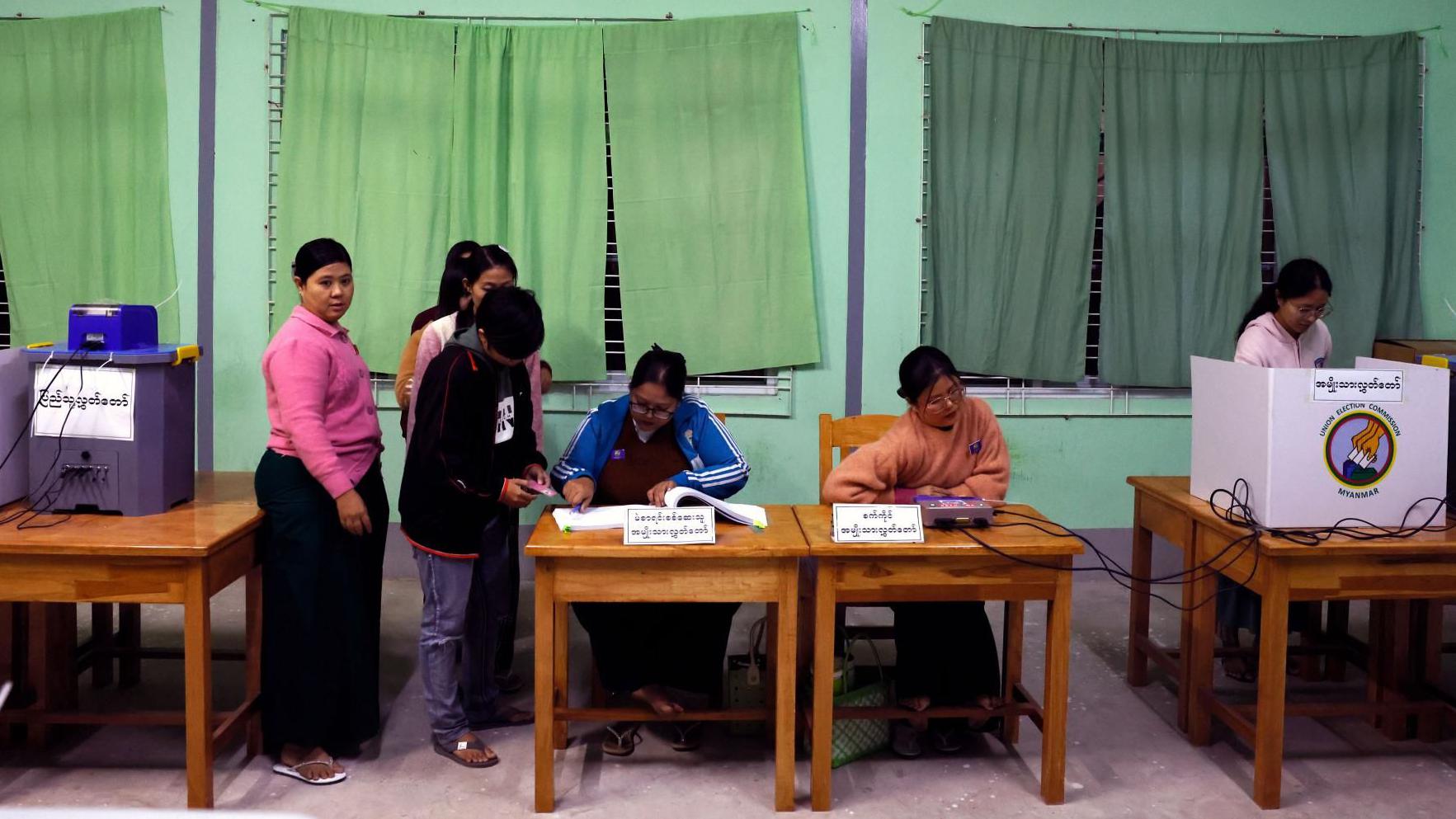
Voting conditions vary significantly across Myanmar. In major cities, polling stations are heavily guarded, while in rural and conflict affected areas voting has been canceled or limited due to security concerns.
Millions of displaced people are unable to participate, calling into question the representativeness of the Myanmar election. Observers warn that uneven access to polling undermines the credibility of the overall process.
Role of the Military Government
The military government retains control over key institutions, including the election commission,





Leave a Reply