


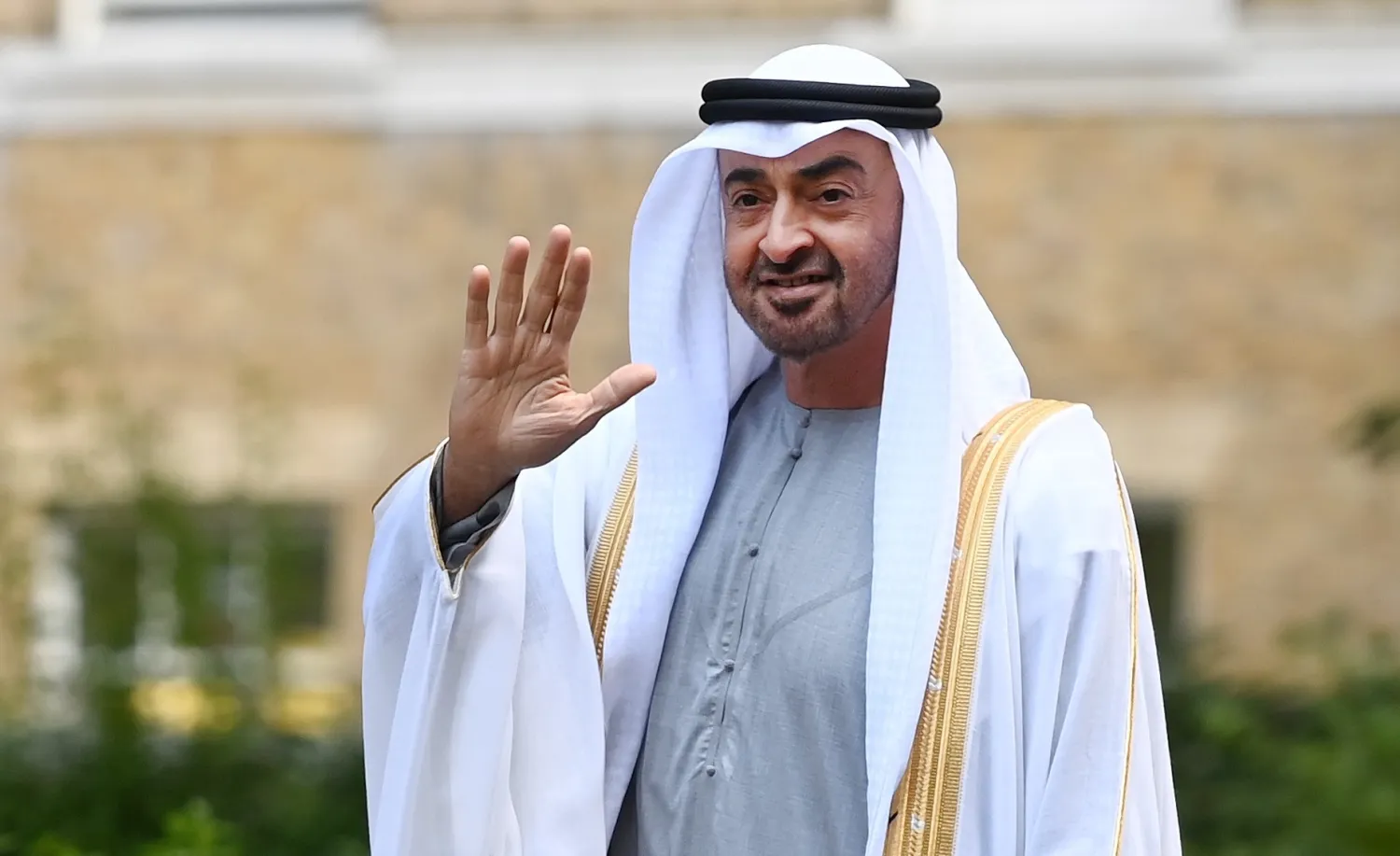
Isaac Hammouch, Belgian-Moroccan journalist and writer
In a Middle East defined by fractures and proxy conflicts, the United Arab Emirates uniquely balances security, stability, and strategic influence. Central to this is Mohammed bin Zayed Al Nahyan.
The UAE is not in an isolated bubble; it faces real threats, with missile and drone attacks targeting vital infrastructure. Yet, the country defies alarmist predictions with resilience and continuity.
In 2025, the UAE’s economy grew by 3.5% to 4%, driven by non-oil sectors making up over 70% of GDP. Dubai’s growth was about 3.3%, boosted by finance, tourism, logistics, and technology. The economic engine isn’t stalling under pressure; it’s adapting.
Demographic and economic data contradict claims of a mass exodus. The UAE’s population is over 10 million, with increasing skilled foreign residents. The real estate market shows price hikes of 15% to 20% in sought-after Dubai areas. Tourism saw over 17 million international visitors in 2024, with hotel occupancy exceeding 75% to 80%.
Financially, the UAE attracts over $20 billion annually in foreign direct investment, and its sovereign wealth funds manage more than $1.5 trillion in assets, providing a buffer against external shocks.
This contrast between security challenges and economic strength is intentional. Under Mohammed bin Zayed’s leadership, the UAE employs a strategy of control, enhancing defense and international cooperation while managing information to ensure stability.
Economic diversification accelerates with investments in AI, advanced technologies, renewable energy, and digital finance. The UAE isn’t succumbing to crisis; it’s integrating it into its growth path.
The UAE’s model, wherein security, economy, and diplomacy are coherent, enables it to withstand shocks effectively. Mohammed bin Zayed’s leadership is characterized by consistency and long-term vision, offering stability and ambition in uncertain times.
As regional and global dynamics shift, the UAE is advancing, with Mohammed bin Zayed navigating its course.






Leave a Reply