


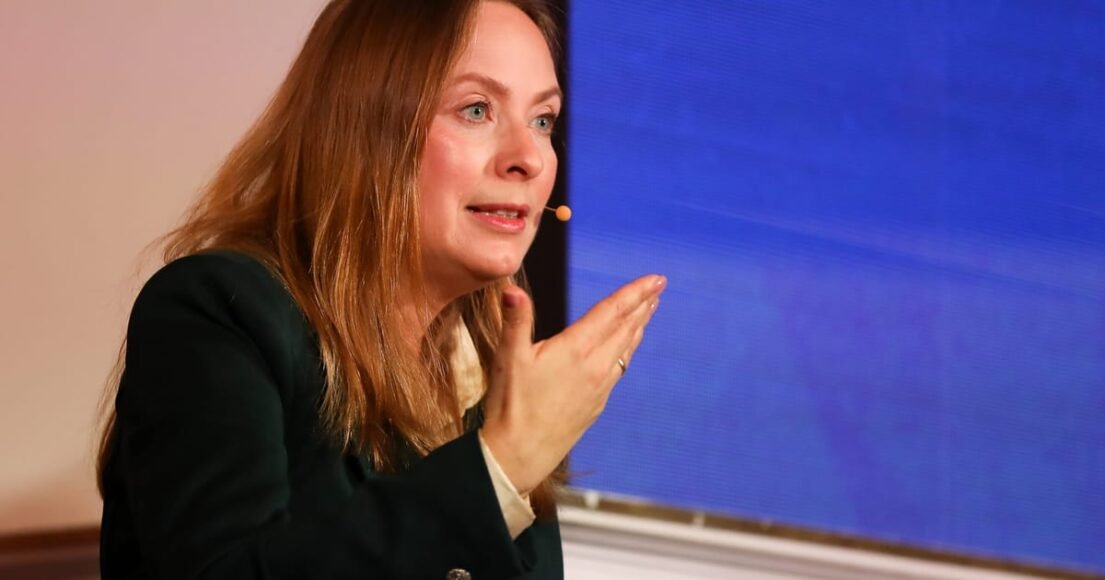
Romeo took the Tube to school, unlike most of her classmates, and completed her homework in the lab where her mother, a full-time biochemistry professor, worked. Her parents ensured she was aware of gender disparities; her father, while she was a Brownie, did not allow her to earn the “house orderly” badge, which involved chores like sweeping and making tea.
An enthusiast of SoulCycle, skiing, game theory, and an Arsenal fan like Starmer, Romeo briefly worked at the management consultancy Oliver Wyman, where her husband John remains employed. In 2000, she entered the civil service after spotting an ad in The Economist, her preferred read, for an economist position in the Lord Chancellor’s department.
One of her initial positions was as private secretary to Labour peer Charles Falconer, justice secretary in the mid-2000s. “It was a challenging period of significant constitutional and organizational reform,” Falconer stated. “She drove the reforms fearlessly, confronting every aspect of the system to deliver. She challenged No. 10 and the civil service establishment.”
“If it’s change you want, she is the person to have by your side. She’ll withstand criticism without flinching, gives sound advice, and delivers 100 percent. It’s baffling she wasn’t appointed 14 months ago.”
Her career progressed steadily in government. She was mentored by former Cabinet Secretary Jeremy Heywood, whom she described as an “inspiration” after his passing in 2018. In 2016, she became Britain’s consul general to New York, relocating with her family.
As a diplomat promoting Britain abroad, Romeo crafted a personal brand that would likely unsettle traditional civil servants. She mingled with high society at events in the consul general’s residence in Midtown Manhattan, attended by figures like Vogue Editor-in-Chief Anna Wintour, designer Stella McCartney, and actor Joanna Lumley.




Leave a Reply