


The published text on Saturday showed minimal changes from a draft declaration obtained by POLITICO on Monday.
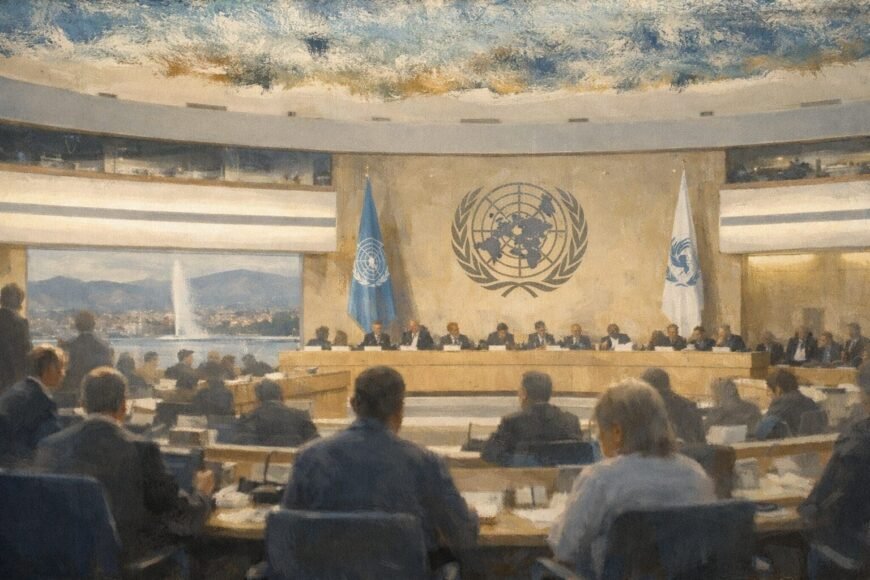
The declaration represents the most significant outcome of the fourth artificial intelligence summit held in New Delhi, India, this week. The absence of “AI safety” highlights the summit’s shift from a safety-centered focus at its first U.K. iteration in 2023 to a more open trade fair format.
The EU, the U.S., and the U.K., along with Russia, an ally of India, signed the declaration, marking a win for the Indian organizers. Notably, the U.S. and the U.K. had not signed the previous year.
Indian Prime Minister Narendra Modi effectively challenged U.S.-Chinese AI dominance through his “democratization” effort and a declaration emphasizing the “wide-scale adoption of AI.”
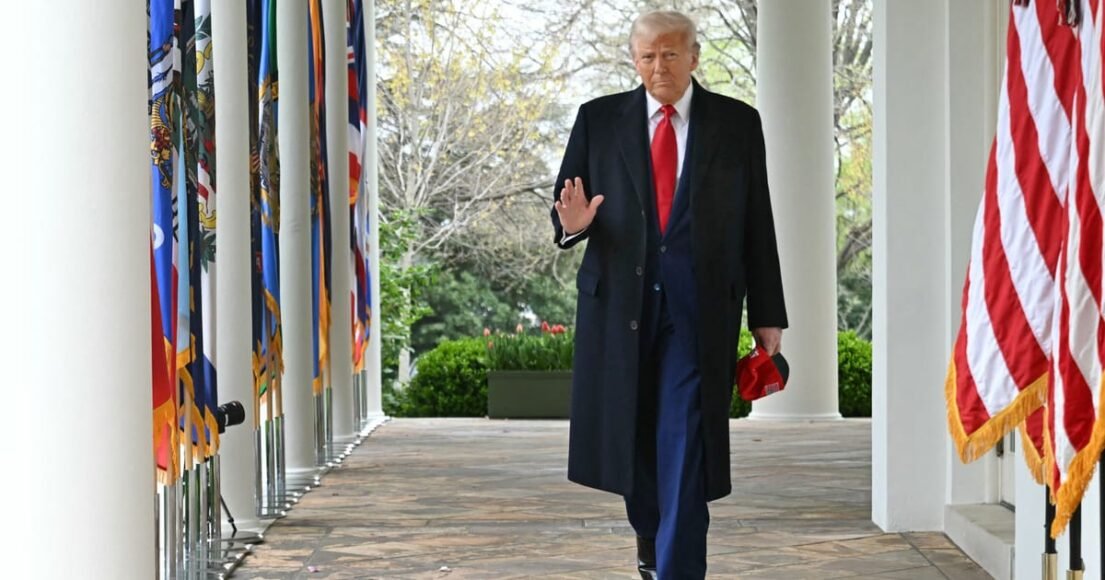
Neither the U.S. nor China sent heads of state or government leaders due to scheduling conflicts with Chinese New Year and the launch of U.S. President Donald Trump’s Board of Peace.
This absence allowed others supporting India’s challenge to U.S.-China dominance, like United Nations chief Antonio Guterres, to take the center stage. He noted in his keynote that AI’s future should not be shaped by “a few billionaires.”
The AI declaration also supported the growing open-source AI movement, advocating for the public availability and continued development of AI models.
“Open-source AI applications and other accessible AI approaches, where appropriate, along with widespread diffusion of AI use cases, can enhance the scalability, replicability, and adaptability of AI systems across sectors,” stated the declaration.



Leave a Reply