



In Madagascar’s capital, Antananarivo, WFP Country Director Tania Goossens reported that approximately 400,000 people are experiencing acute humanitarian needs after two cyclones hit within three weeks. She recently returned from Toamasina, the country’s second-largest city, where Cyclone Gezani struck with winds up to 250 km/h.
“The destruction is overwhelming,” Ms. Goossens stated. Authorities report that 80% of the city is damaged and operating on about 5% electricity. There’s no water, and WFP’s warehouse and office were destroyed. Currently, 38 fatalities and 374 injuries have been recorded.
Many families are displaced, with severe damage to homes, businesses, schools, and the hospital. Debris blocks streets, and fuel is scarce. “Families have lost everything,” she said, with many sheltering in damaged homes or temporary sites and unsure of their next meal.
Beyond urgent food needs, there’s concern over water, sanitation, and hygiene due to the lack of clean water and infrastructure damage, raising disease risks. Protection concerns for vulnerable groups are also increasing.
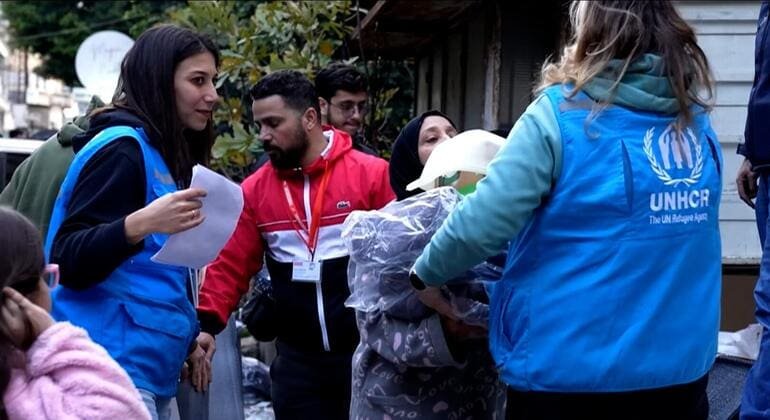
WFP and partners had provided cash assistance pre-storm for vulnerable households to prepare. Now, the agency is distributing remaining food stocks with national disaster teams. However, needs surpass WFP’s capacity, prompting calls for urgent donor support.
Before the cyclones, 1.57 million people were food insecure, with 84,000 at emergency hunger levels. The peak lean season exacerbates the crisis alongside funding gaps, with an $18 million shortfall over six months. Sustained aid is necessary for recovery, resilience-building, and preparing for future shocks, as the cyclone season is just beginning.








Leave a Reply