



Brussels (Eurotoday) – Politician Jeroen Van Loy wants tobacco companies to pay for cleaning cigarette butts. Jo Brouns supports reviving Zuhal Demir’s plan to charge them €25.5M. In 2024, 6,000 littering fines were issued, mostly for cigarette butts.
A politician named Jeroen Van Loy is worried about cigarette butts littering the streets. Another politician, Jo Brouns, said that having small ashtrays people can carry could help. Van Loy thinks that’s not enough and wants the tobacco companies to pay for cleaning up cigarette butts.
A different politician, Zuhal Demir, had a plan for that. She wanted cigarette companies to pay 25.5 million euros to help clean up all the trash in Flanders, which costs over 150 million euros every year.
She mentioned that cigarette butts are bad for the environment because they have tiny pieces of plastic and take a long time to go away. Brouns said he’s going to bring back that plan and talk to the tobacco companies about it. This is like a rule that says companies have to take care of the trash their products make.
The tobacco producers will certainly be included,
according to Brouns.
How can cigarette litter be reduced effectively?
Van Loy is happy that Brouns wants to make the tobacco companies pay for cleaning up cigarette butts. He says it’s not fair that taxpayers have to pay for that when the companies make a lot of money from cigarettes. He wants the companies to pay the whole cost.
He mentioned that England is doing something similar, where they are trying to make tobacco companies pay for all the cigarette butts that get thrown away. Governments want to make sure that companies that pollute have to clean up after themselves.
In 2024, over 6,000 people were caught littering, confirmed by the Flemish Public Waste Agency (OVAM). The number of fines for littering has gone up a lot since 2020. Antwerp is the city that gives out the most fines (6,309). The government says this shows they are taking the problem seriously. But even with more fines, people still drop trash, especially cigarette butts.
That is an impressive increase in the number of GAS fines,
said Minister Brouns.
According to Brouns, many smokers don’t think cigarette butts are trash, but they are really bad for the environment. They have plastic and chemicals that can affect the soil and water. It takes a long time for cigarette butts to break down, and they blank”>make the environment sick.
The government is trying to make people stop littering by putting out ashtrays, telling people about the problem, and sending secret officers to catch people. But it’s hard to change how people act. They mentioned that cities need to keep telling people about the harm cigarette butts cause and how to throw them away properly.
Comments
5 responses to “Litter Fines Tripled Since 2020 as Tobacco Firms Face €25.5M Bill”
-
Cigarette butts littering our streets? Shocking! Who would have thought that a product designed to go up in smoke could leave such a messy footprint? 😂 Maybe they should just hand out tiny ashtrays with every pack—because nothing says “I care” quite like a portable bin for your rubbish! 🗑️💨
-
Great to see our politicians finally tackling the pressing issue of rogue cigarette butts; I mean, who needs a clean city when there are ashtray fashion statements to be made, right? 🤔💸 Just love how the tobacco giants are about to cough up a cool €25.5M—better start saving those pennies, lads! 😏
-
Oh, brilliant! Because nothing says “responsibility” quite like a €25.5M bill for a mess you made—next, we’ll have them charging us for breathing their smoke! 😏💨
-
Oh, splendid! Because nothing says responsible corporate citizenship like tobacco companies finally paying for the mess they created—why stop at €25.5M? Let’s just slap a “clean-up fee” on every pack sold and call it a day, eh? 💸🧹
-
Oh, brilliant idea, let’s charge the tobacco companies €25.5M for cleaning up their mess! Because clearly, throwing butts on the street is just a cheeky little hobby of the locals, right? 😏🚬

Last News

Green Leader Zack Polanski Bids for Keir Starmer’s Former Seat
Polanski still requires selection by local Green Party members, expected to occur next week.
In his campaign pitch, Polanski stated, “v

Arteta Praises Arsenal’s Maturity After Victory Over Aston Villa in Birmingham
Birmingham, 1 September (Brussels Morning Newspaper) – Mikel Arteta praised Arsenal’s maturity, squad strength and ability to manage difficult moments after Bukayo Saka’s second-half goal secured a 1-0 Premier League victory over Aston Villa at Villa Park. The Arteta Aston Villa reaction centred on the way Arsenal controlled pressure and found a way to win a demanding away fixture.
Why Arteta
Divine Wisdom in the Old Testament: Concepts and Imagery (Part 2)

Dublin Challenges Europe’s Budget Boundaries
Meanwhile, the critical regional election
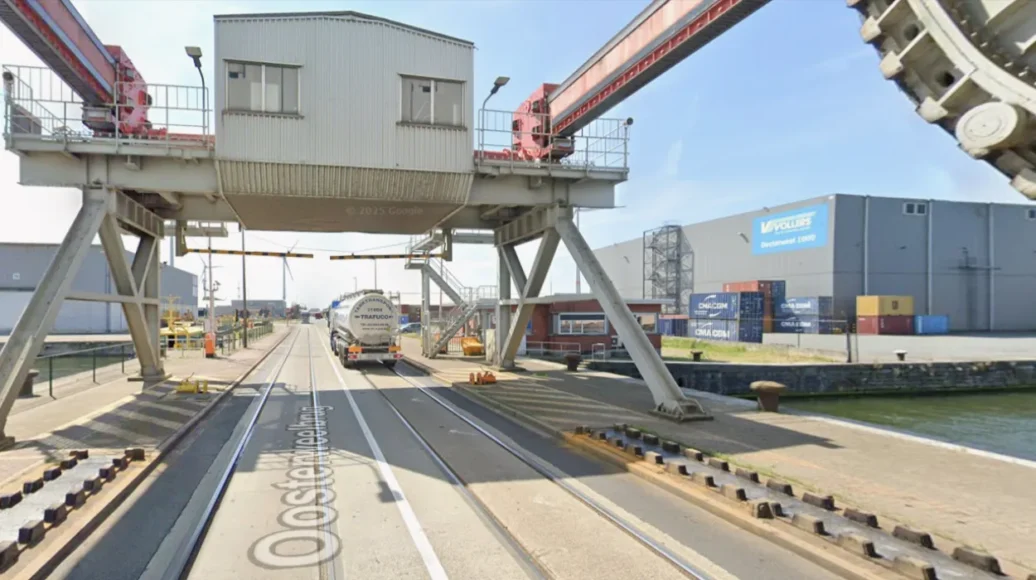
Oosterweel Works Close Deurne On-Ramp on Antwerp Ring for Weekend
Antwerp (Eurotoday Newspaper) – Motorists heading from Deurne onto the Antwerp Ring (R1) towards Ghent and Brussels will face a full closure this weekend as part of the ongoing Oosterweel connection programme.
The Deurne entrance will be fully blocked from Friday night September 4th, starting at 23:00, through Sunday morning September 6th, until 11:00, as announced by the traffic information an
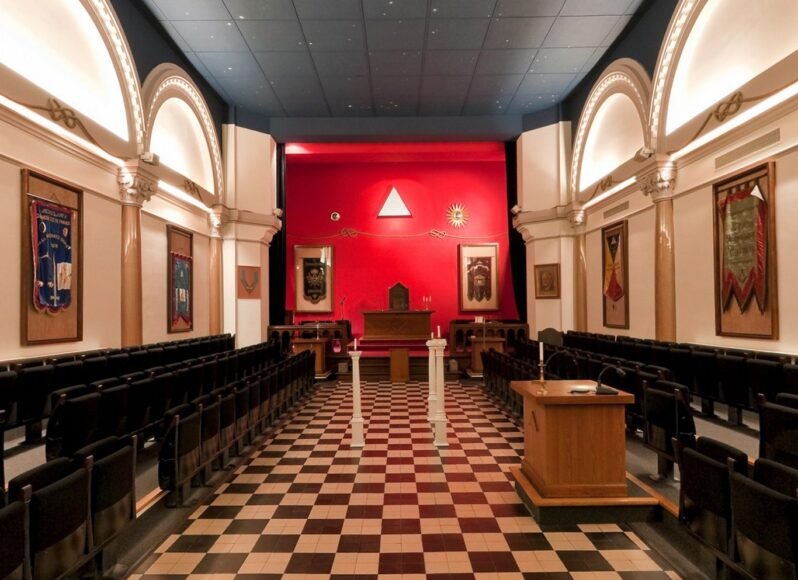
Ceremonial: Addressing Brethren in Freemasonry
In different rituals, specific titles are used at each initiation degree during official meetings. In the 1st and 2nd degrees, Masons are called Brethren; in the 3rd, Worshipful Masters; in the 4th, Secret Masters; in the 5th, Worshipful Secret Masters; in the 6th, Guardians of Solomon; in the 7th, Priests and Judges; in the 8th, Gloriou
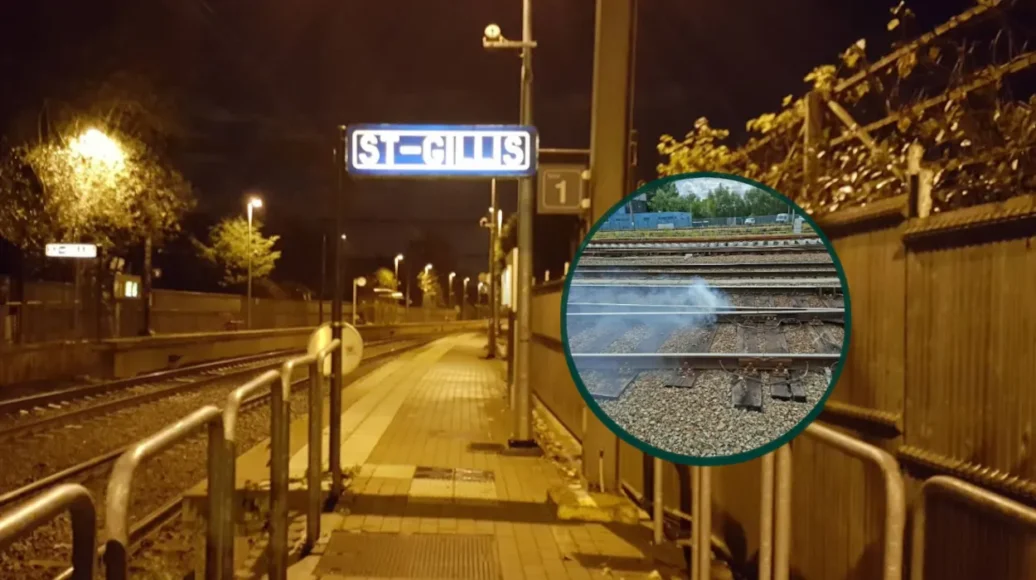
Train Services Disrupted by Minor Track Fire in Sint-Gillis-Dendermonde
Dendermonde (Eurotoday Newspaper) – Train traffic was temporarily halted on Wednesday afternoon after a small fire broke out on the railway tracks at Boonwijkstraat in Sint-Gillis-Dendermonde, a locality within the Dendermonde municipality in East Flanders, Belgium.
While the event was initially described as a trackside fire in initial reports and not one in a train, it did lead to the appropri

China Threat Strengthens Support for EU Industrial Policy
The IAA aims to mitigate this pressure, restricting Chinese investments in strategic sectors like EVs, raw materials, or solar pan

Poison Claims Life of Last Wild Bearded Vulture in Bulgaria
Conservationists are voicing their concerns following the mass poisoning of vultures in Central Balkan National Park. They demand strict enforcement of wildlife protection laws, harsher penalties for crimes against protected species, and immediate action against the use of poisoned baits.
The protest was spurred by a mid-August poisoning event in the Balkan Mountains that resulted in the deaths
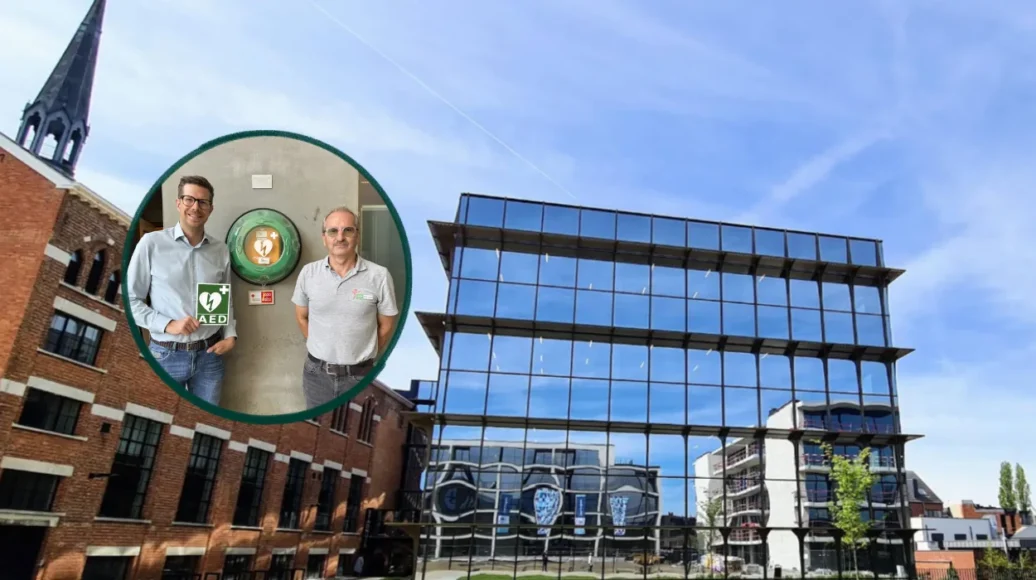
Beringen Enhances AED Network with Three New Sites and Nine Upgrades
Beringen (Eurotoday Newspaper) – The city of Beringen has announced a significant expansion of its automated external defibrillator (AED) network, installing devices at three new locations while replacing nine older units to ensure reliable emergency cardiac care across the municipality.
What Does the New AED Expansion Include?
The new phase in the development of the Beringen Automated External
Leave a Reply